Questions on Pollution
Tick (P) the correct option 1. The condition of mixing unnatural and harmful substances in our natural resources is called – (Read More…


Tick (P) the correct option 1. The condition of mixing unnatural and harmful substances in our natural resources is called – (Read More…
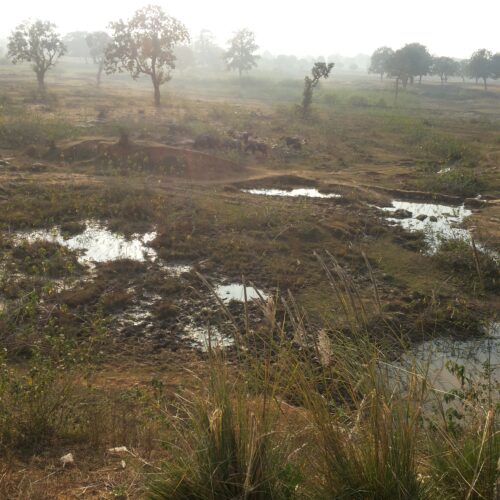
Mixing of different types of substances in soil- which affects its natural qualities, and reduces its fertility- is called as soil pollution. Some enRead More…
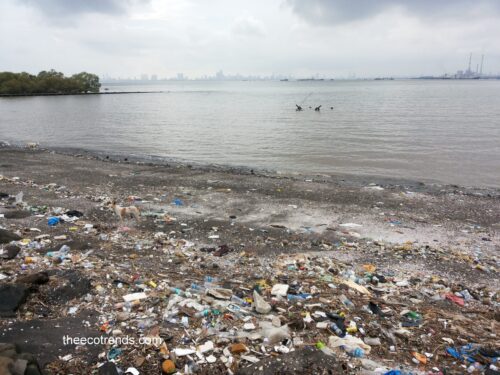
The Marine Pollution, as defined by the International Oceanographic Commission (IOC) for United Nations Educational and Scientific Commission, is theRead More…
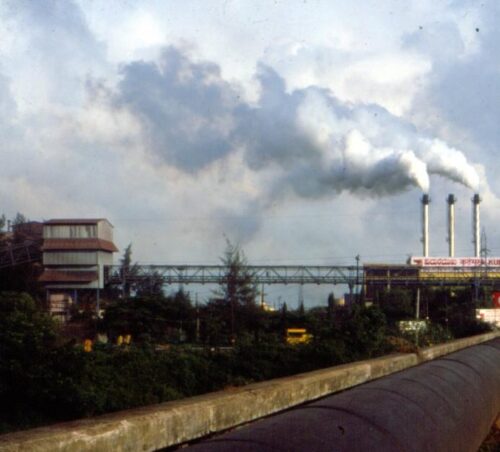
Fossil fuels- coal, petroleum and natural gas, are sources of energy and lots of useful substances. They have been and still they are the back bones Read More…
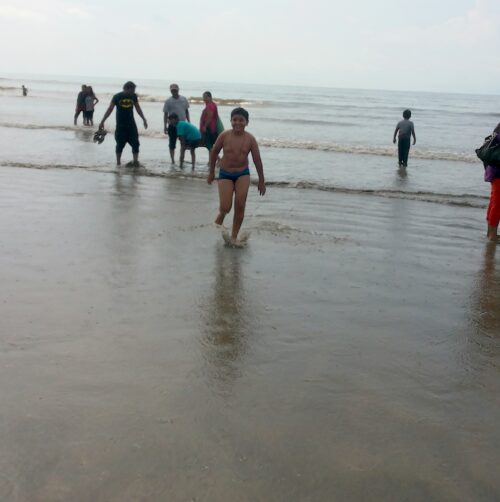
Mixing of different solid, liquid or gaseous substances and microorganisms into water, so as to alter its natural qualities is called as water pollutRead More…
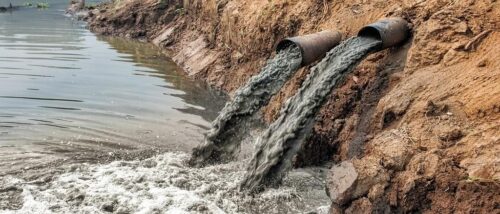
•Principles and Guidelines Following principles and guidelines have been accepted for the control of different types of Industrial pollutions- Read More…
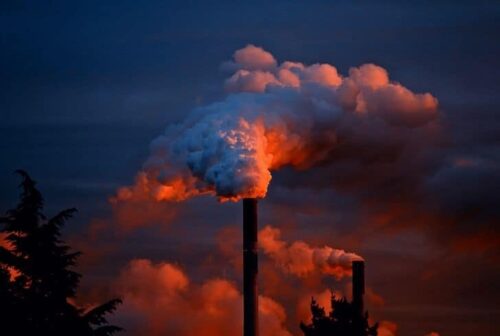
It is the unthinkable huge magnitude of all the ill effects of pollution and its ever-increasing nature, which has forced the whole of humanity to doRead More…
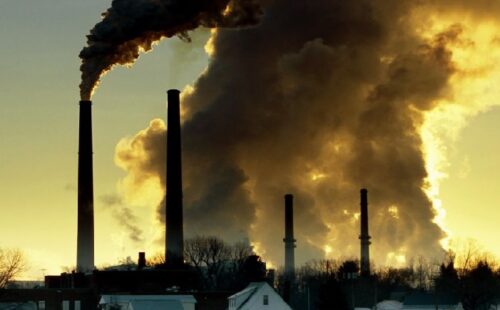
The condition of mixing of undesirable substances in the air so as to alter its natural quality is called as atmospheric pollution. According to the Read More…
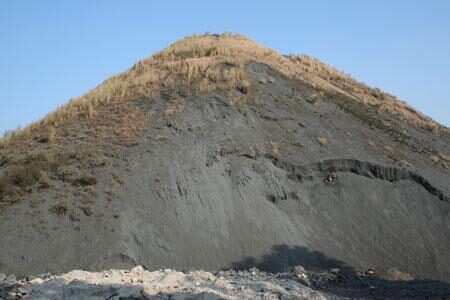
The Pollution of Air leads to severe consequences on local, regional, national and international levels. On the local and regional levels, air polRead More…

Constructing a new infrastructure; expanding a residential area; building an industrial plant; increasing the capacity of an airport – are some Read More…