
IPM in India
Integrated Pest Management (IPM) in India: Features, Benefits, and Sustainable Agriculture Practices The promotion of Integrated Pest Management (IPM) in…
Integrated Pest Management (IPM) in India: Features, Benefits, and Sustainable Agriculture Practices The promotion of Integrated Pest Management (IPM) in…
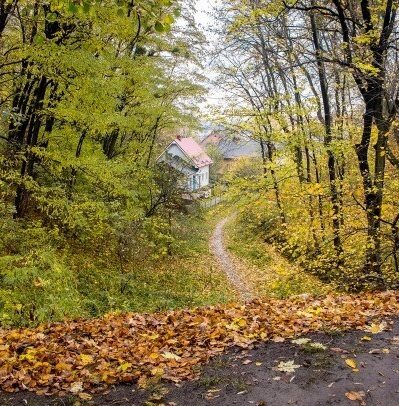
A forest is a highly complex and constantly changing environment. It is made up of a variety of living things like wildlife, trees, shrubs, wildflowers, ferns, mosses, lichens, fungi and microscopic soil organisms; and non-living things such as water, nutrients, rocks, sunlight and air. Trees are the biggest part of this complex community.
Non-renewable resources coal and petroleum are energy sources that we use and consume faster than the rate of their production in nature.
Ecosystems can be categorised into two broad categories: natural and artificial. Natural Ecosystems are those ecosystems that operate by themselves under natural conditions. These ecosystems are further categorized as Terrestrial and Aquatic Ecosystems. Terrestrial ecosystems relate to lands, whereas Aquatic ecosystems relate to fresh or marine water. Freshwater ecosystems may be Lotic or Lentic. Lotic are running water ecosystems like springs, streams or rivers, whereas Lentic Fresh Water Ecosystems may be found in standing waters of lakes, ponds, pools, puddles, ditches, swamps, etc. Marine Ecosystems are found in marine waters of salt lakes, seas, oceans and estuaries. Artificial Ecosystems are man-engineered ecosystems like crop fields, artificial ponds and lakes, aquaria, fish ponds, and abandoned mines reclaimed as lakes or water bodies for recreation.
A forest is a highly complex and constantly changing environment. It is made up of a variety of living things like wildlife, trees, shrubs, wildflowers, ferns, mosses, lichens, fungi and microscopic soil organisms; and non-living things such as water, nutrients, rocks, sunlight and air. Trees are the biggest part of this complex community.
Forests and wildlife are integral part of environment. Forests control climate, soil erosion and wildlife. They cause rains.
Fighting against the Climate Change which has become the biggest problem of environment is a big challenge of today.
The biosphere is itself a vast ecosystem which incorporates all the small ecosystems. But, the biosphere may have different types of physical conditions, communities of plants and animals, and climatic conditions in its different zones.
Rains in Nepal have always been responsible for floods in Bihar. Most of the rivers flowing through Bihar have their origins in Nepal. Since last three days Nepal is experiencing continuous rainfall. This is why villages in Bihar are being seriously flooded. What can be done?