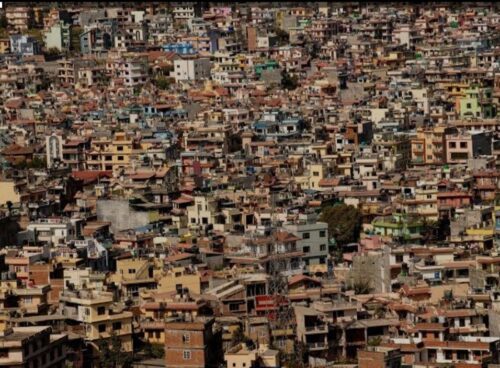

The increasing Human Population is putting immense pressure on Resources
A population is a group of individuals of a particular species occupying a particular area at a specific time.
A population is a group of individuals of a particular species occupying a particular area at a specific time.
In a human being the ingestion of food is brought about in mouth where it is crushed into fine pieces by teeth.
Living beings have many processes in common. Among all the common processes there is one very interesting and wonderful process…
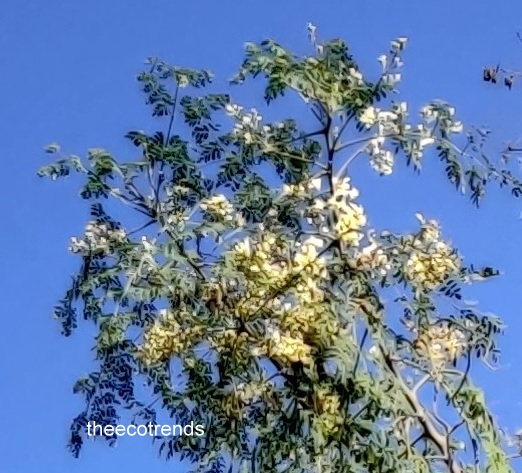
It is reported that intake of Moringa leaf extract helps reduce High Blood Pressure by preventing thickening of arteries. However, it has been confirmed through researches on animals, not on humans.
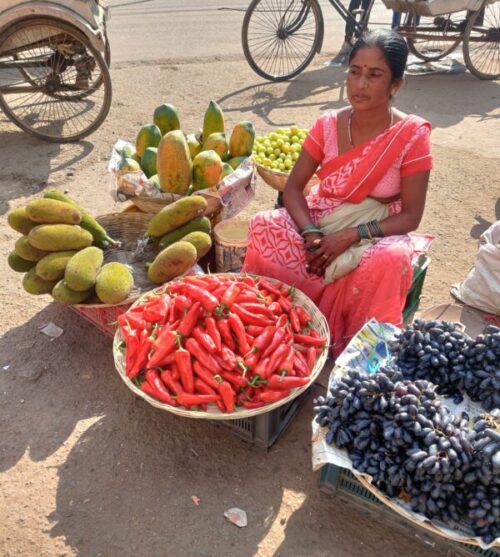
An activity that serves as one’s regular source of livelihood is called as occupation
Due to less paying agriculture farmers migrated to cities. The volume of migration was seen during the lock down period when farmers left cites for remigation. Remigrated farmers can be checked to their fields by improving pricing and free maket system to farmers.
In the early stages of COVID-19, when the world was in terror, and no way of treatment was seen, the public of India depended on the traditional systems of healthcare.
The processes of development through years have spurred on unplanned urbanization, extensive industrialization followed by different types of pollutions, construction of a series of mega dams, and large-scale application of Agro-chemicals.
A group of sixteen elephants entered into three villages of Doranda Panchayat of Bero sub division of Ranchi district. These villages are Sero, Baidh Khijri and Karge.
The Pollution of atmosphere leads to severe consequences on local, regional, national and international levels.
Environment may be defined as ‘Complete range of various sets of external conditions comprising- physical, biological, and for human beings- cultural, economic and political conditions; in which human beings and other life forms exist in continuous interactions among themselves.
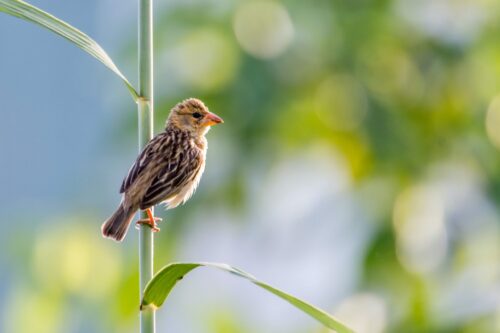
Most of you us have seen the Baya birds – peculiar birds of monsoon season. These beautiful birds are found in many states of India and of course in many other countries of the world. These birds are also found all over Java and Sumatra.