Search Results for: Sexual Reproduction

Characteristics of Animals

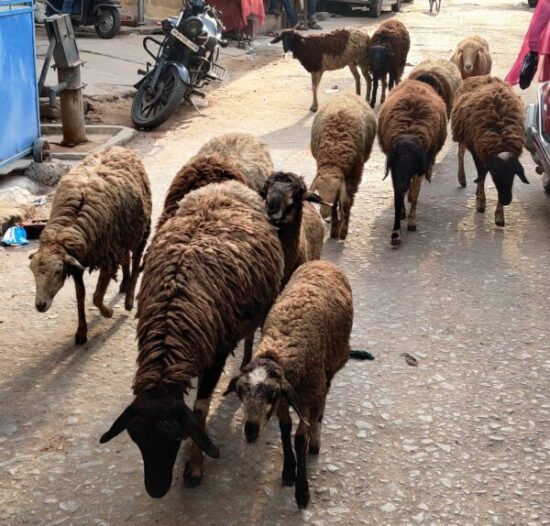
This word is usually applied for the non-human members of the Kingdom Animalia in animal taxonomy. However, the closer relatives of humans like mammals (having mammary glands) have been included in this term. Thus cows, bats, rats etc also are mammals.
Read Article

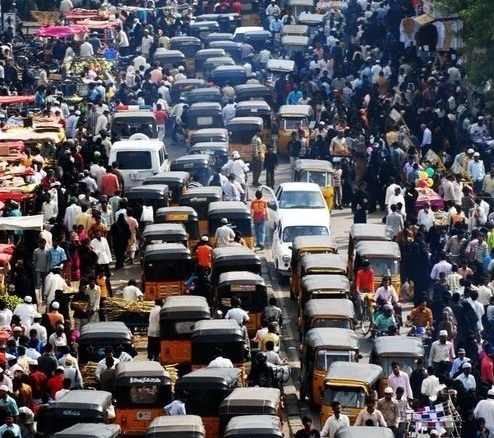
Dynamics of Population

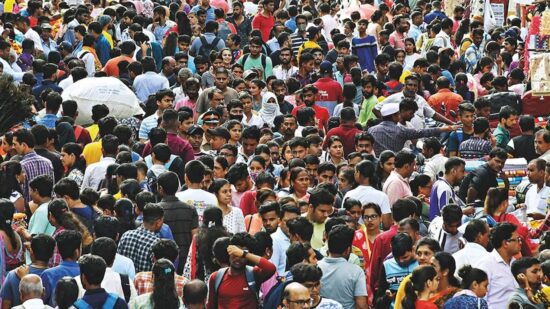
A population is a group of individuals (all members of a single species) who live together in the same habitat and are likely to interbreed. Each population has a unique physical distribution in time and space.  It may contain individuals of different ages, and its size (density) is likely to change over time. It grows or shrinks according to the reproductive success of its members.

Read Article

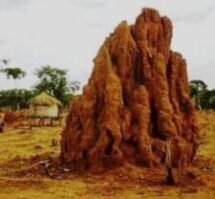
Ant Colony and Bee Colony

Ant colonies are Eusocial which means living in a cooperative group in which usually one female and several males are reproductively active and the non-breeding individuals care for the young and protect the group. These are very much like those found in other social animals   though the various groups of these developed sociality independently through convergent evolution.

Read Article

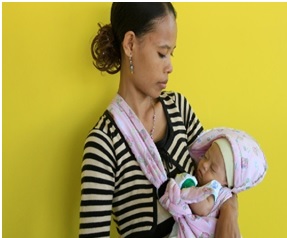
Human Reproductive Health

The physical and mental conditions that collectively affect the reproductive capacity of a male or a female are called as reproductive health. The reproductive health is most essential for reproduction.

Read Article

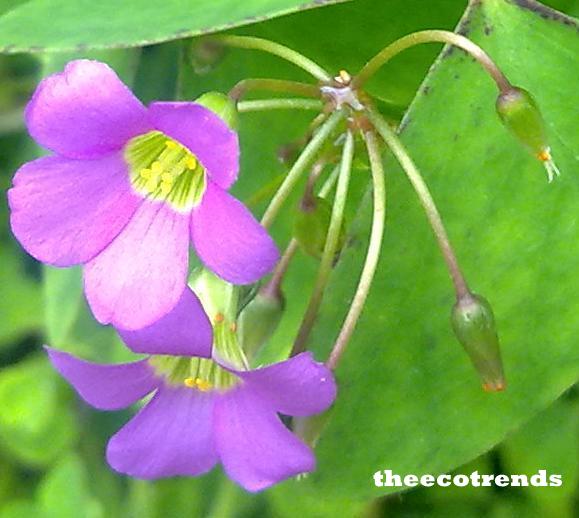
Flowers and Flower Sellers

Flowers are most beautiful and attractive parts of a plant. These contain reproductive structures- male and female. Flowers containing any one of these structures are known as unisexual whereas flowers containing both the reproductive structures are known as bisexual.

Read Article