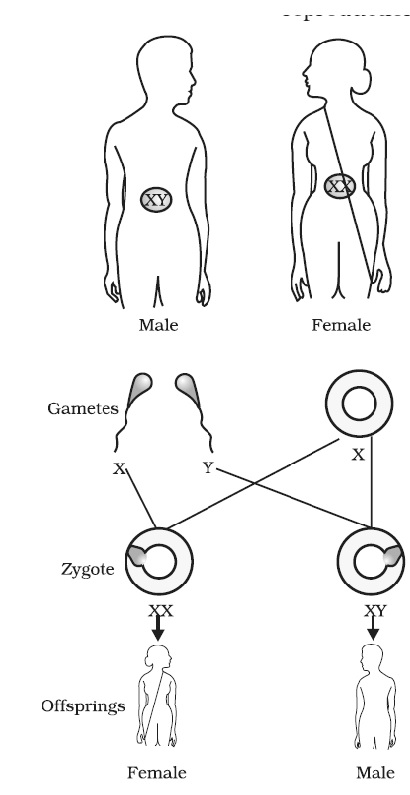
Processes and Characteristics of Life
All those processes that maintain the body of an organism collectively are called as life processes.
All those processes that maintain the body of an organism collectively are called as life processes.
1. Trait-A exists in 10% of a population of an asexually reproducing species and trait-B in 60%of the same population….
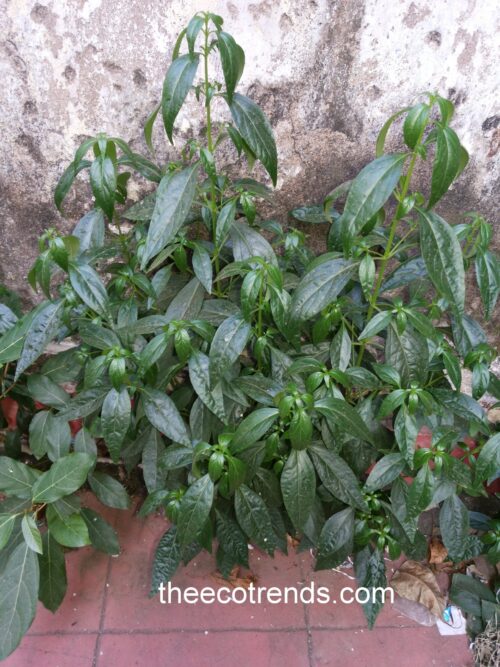
Kirata, Kalmegh or Chiraita is a wild herb with bitter taste. It grows in the wild in forests, wastelands, and along roadsides. It is popularly known as the king of bitters.
Ecosystems can be categorised into two broad categories: natural and artificial. Natural Ecosystems are those ecosystems that operate by themselves under natural conditions. These ecosystems are further categorized as Terrestrial and Aquatic Ecosystems. Terrestrial ecosystems relate to lands, whereas Aquatic ecosystems relate to fresh or marine water. Freshwater ecosystems may be Lotic or Lentic. Lotic are running water ecosystems like springs, streams or rivers, whereas Lentic Fresh Water Ecosystems may be found in standing waters of lakes, ponds, pools, puddles, ditches, swamps, etc. Marine Ecosystems are found in marine waters of salt lakes, seas, oceans and estuaries. Artificial Ecosystems are man-engineered ecosystems like crop fields, artificial ponds and lakes, aquaria, fish ponds, and abandoned mines reclaimed as lakes or water bodies for recreation.
According to their physical make up, there are basically two types of animals- Vertebrates and invertebrates. Invertebrates are those animals that don’t have a vertebral column or backbone. On the other hand, Vertebrates are those animals who have a vertebral column or the back bone.
Human activities of pollution are modifying the natural process of green house effect. The advent of the Industrial Revolution in the 1700s boosted up the activities of burning of fossil fuels like coal, oil and natural gas which released lots of heat absorbing gases into the atmosphere.
Ladybird is one uncommon compound word made by the union of two simple common words – Lady and Bird. But,…
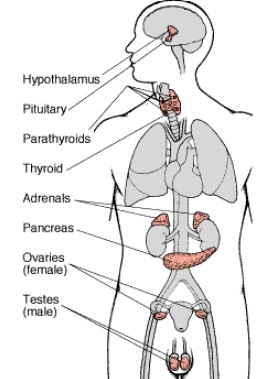
The ductless gland found on kidney is called as adrenal gland. Each kidney has an adrenal gland on it. This gland is also called as “Supra Renal Gland”. It has two parts- the upper- cortex and the lower- medulla.
The predominant features that create structural complexity in the environment, such as plants or animals are called as a habitat.
A process, in which natural habitat is rendered functionally unable to support the plants and animals occupying it, is named as Habitat destruction. In the process of habitat destruction, plants and animals that previously used the place are displaced or destroyed, reducing biodiversity.
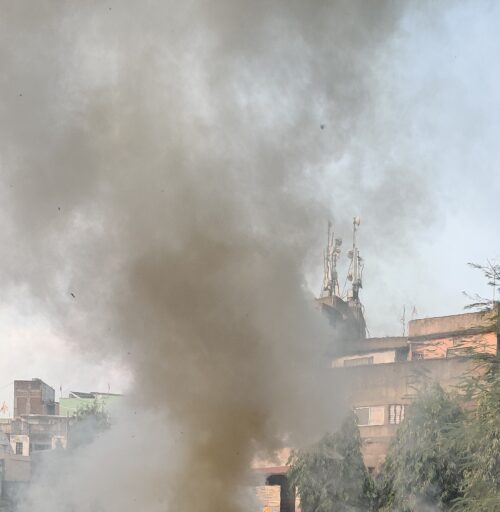
Waste too is found in three states- solids, liquids and gases. Liquid wastes such as different types of chemicals, useless medicines, detergents, pesticides, oil, automobile wastes etc. spread on the soil surface and make it poisoned. Decomposition and burning of things on ground produce different gases that pollute the air.
The year 2022 has remained a year of big scientific achievements. In it, the discovery of probability of wormhole and Dart campaign of NASA in space science have been remarkable. On the other hand, the revolutionary event of heart transplant of a pig that was genetically engineered, also happened in the field of surgery.
Tulsi or the Holi Basil is taxonomically called as Ocimum tenuiflorum. It is an aromatic and perennial plant which belongs to the taxonomic family Lamiaceae