
The increasing Human Population is putting immense pressure on Resources
A population is a group of individuals of a particular species occupying a particular area at a specific time.
A population is a group of individuals of a particular species occupying a particular area at a specific time.
Living beings in environment like animals and plants constitute more than half of the environment in the biosphere. All of these need to be conserved.
The mechanical process of breathing involves inspiration and expiration.
Birds that travel from one place to the other place are called as Migratory Birds.
Jaggery is a traditional sweet of India. After the appearance of sugar in Indian markets, its use was slowed down for some decades. But now it is being used in urban areas also. It is reported that jaggery contains many medicinal properties and it is full of nutrients.
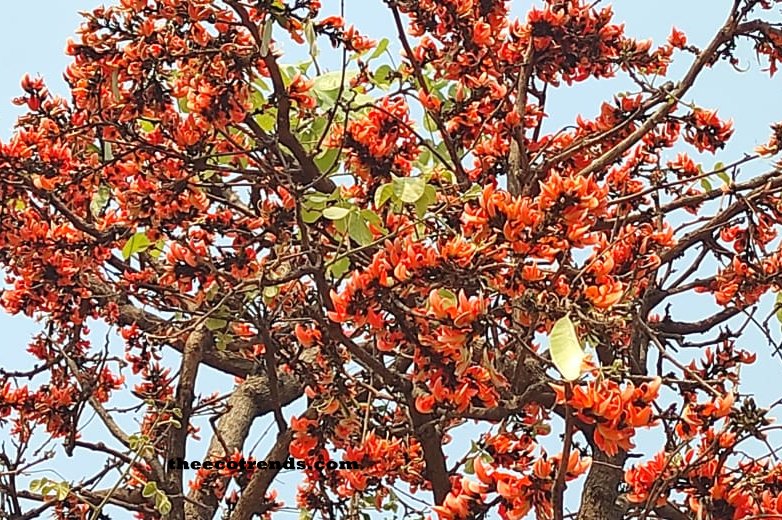
Palash or Butea monosperma is an important tree of taxonomic family Fabaceae which is native to tropical and sub-tropical India. It is also found in Pakistan, Bangladesh, Nepal, and Srilanka etc.
Following principles and guidelines have been accepted for the control of different types of pollution- A. Prevention of entry into…
Students of the Department of Engineering in Chowdhari Charan Singh University, Meerut,India, have developed specific unit to process the in campus waste and turn it into manure. The garbage treatment Unit is called as Garbage Clinic by them.
A group of individuals of a particular species occupying a particular area at specific time is called as population. A species is a group of similar type of organisms that can interbreed under natural conditions. The interbreeding organisms of a species produce new organisms and finally result into the growth of population. This is true for all the life forms including human beings.
An incident of invasion by a living species into entirely new habitat thereby threatening the existence of native species is called as bioinvasion or Biological Invasion.
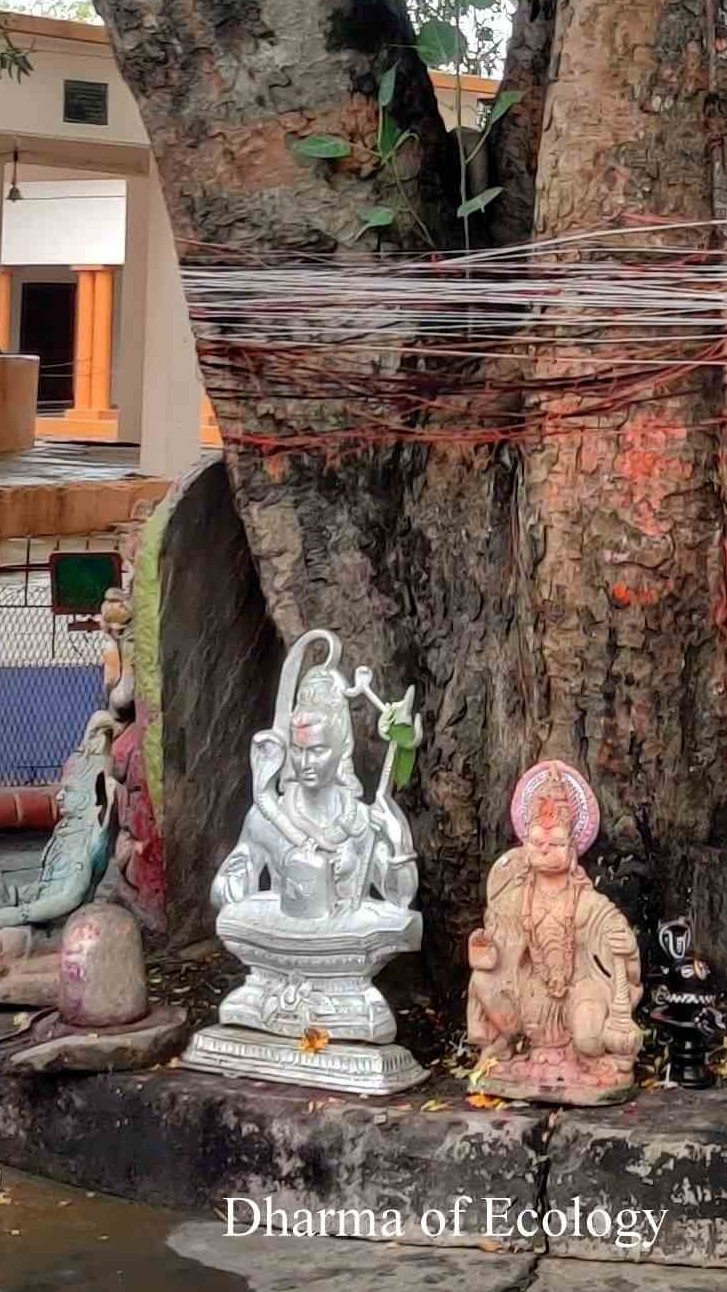
Our beliefs and values, culture and heritage used to preserve and protect the environment through different social, religious and traditional principles