Pitutary

Advertisement
August 8, 2021

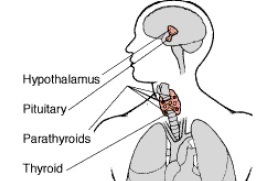
Pituitary and Thyroid Gland of Human Body

This is a pea sized major endocrine gland. It is protected by a boney cavity called Sella turcica of the sphenoid bone. It is a protrusion of bottom of Hypothalamus at the base of the brain. This gland is also called as Hypothesis.

Read Article
December 19, 2021 Recommended

Our Environment and its Components

Man is surrounded by various life forms, forces and conditions- both physical and biological. Sunlight, land, air and water form physical conditions whereas all the plants, animals, and microorganisms form biological conditions.

Read Article
August 10, 2022 Recommended

Technological Models

Recently, it has been found that Photo Voltaic Cells cannot be popularly used for power generation on large scales. However, our scientists have discovered that the alignment of Carbon Nano Tube with the polymer composites substrate would give very high efficiency in Photo Voltaic Conversion.

Read Article
October 3, 2022 Recommended

International legal regimes: on trade and environment

The Environmental Calamities that shook the humanity during fifties and sixties were powerful enough to generate serious and widespread sense of responsibility among world nations towards the global environment. Some of these calamities include : The killer smog in New York and London which claimed 5000 lives in 1952; The mercury poisoning due to the consumption of mercury-contaminated seafood in Japan;

Read Article
April 14, 2021 Recommended

Drink More Water in summer

Water is the principal constituent of our body. Water is chemically an inorganic, transparent, tasteless, odourless, and colourless. It is the main constituent of the hydrosphere of the earth.

Read Article
September 28, 2024 Recommended

Types of Ecosystems – Terrestrial and Aquatic

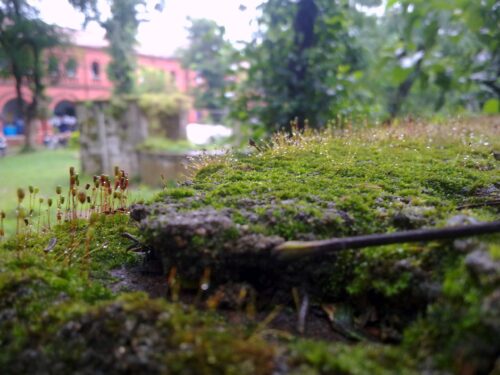
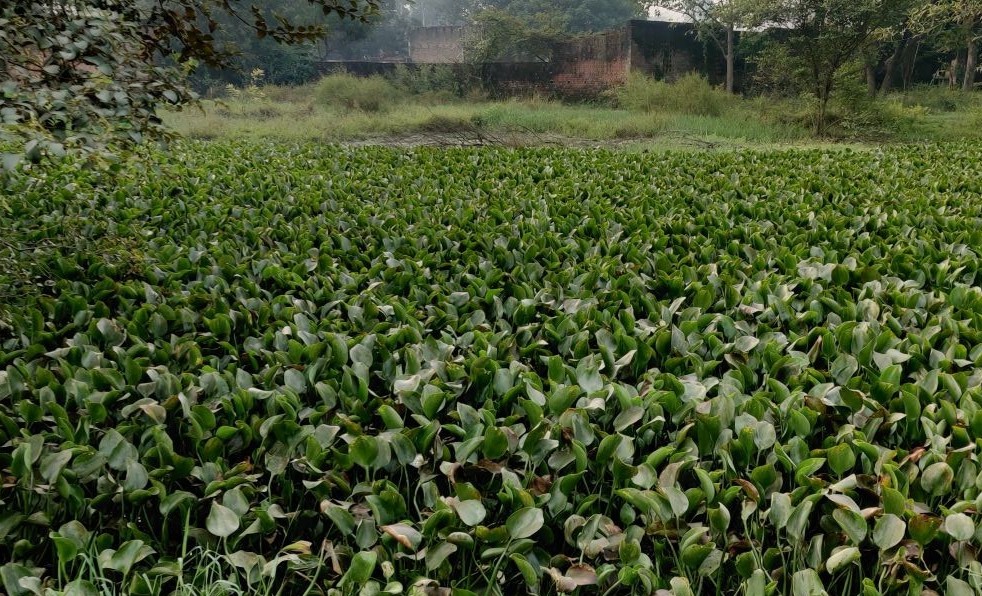
Ecosystems can be categorised into two broad categories: natural and artificial. Natural Ecosystems are those ecosystems that operate by themselves under natural conditions. These ecosystems are further categorized as Terrestrial and Aquatic Ecosystems. Terrestrial ecosystems relate to lands, whereas Aquatic ecosystems relate to fresh or marine water. Freshwater ecosystems may be Lotic or Lentic. Lotic are running water ecosystems like springs, streams or rivers, whereas Lentic Fresh Water Ecosystems may be found in standing waters of lakes, ponds, pools, puddles, ditches, swamps, etc. Marine Ecosystems are found in marine waters of salt lakes, seas, oceans and estuaries. Artificial Ecosystems are man-engineered ecosystems like crop fields, artificial ponds and lakes, aquaria, fish ponds, and abandoned mines reclaimed as lakes or water bodies for recreation.

Read Article
May 3, 2021 Recommended

How do Organisms get Their Food?

Mode of nutrition through which an organism depends on other organisms for food due to its inability to synthesise food is called as heterotrophic nutrition.

Read Article
Advertisement
Gallery Picture
Gallery Picture
Gallery Picture
Gallery Picture
Gallery Picture
Gallery Picture
Gallery Picture
Gallery Picture
Gallery Picture
Gallery Picture
Gallery Picture
Gallery Picture
Gallery Picture
Gallery Picture
Gallery Picture
Gallery Picture
Gallery Picture
Gallery Picture
Gallery Picture
Gallery Picture
Gallery Picture