
Relations among components of ecosystem and Food Chains
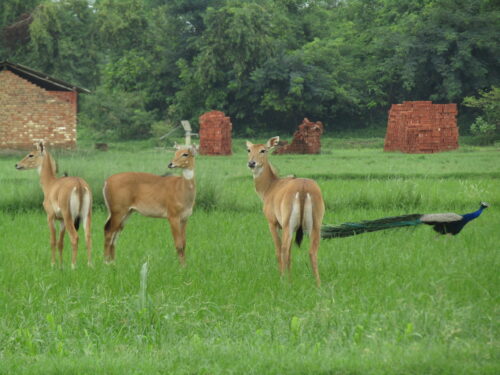
Green plants and trees that synthesize their own food are called as Autotrophs.Others who depend on them are called as Heterotrophs.
Green plants and trees that synthesize their own food are called as Autotrophs.Others who depend on them are called as Heterotrophs.
We have been hearing about environmental pollution, loss of biodiversity, energy crisis, and the sustainable environment since long. So many things have already been infused in school syllabi as well. But how many of us really apply in our real life the things about which we have read in our classes?
The attitude which manifests by excellent behaviour of players is called as Fair Play.
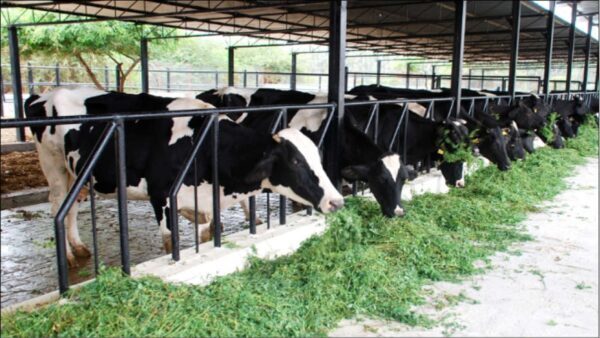
The government have initiated a number of measures to increase the productivity of milch animals. It has resulted in an increase in the milk production significantly from the level of 102.6 million tonnes at the end of the tenth plan (2006 -2007) to 127.9 million tonnes at the end of the Eleventh plan (2011 -2012. The Annual Growth Rate of milk production was about 5% in 2011 -12 compared to 2010 -11.
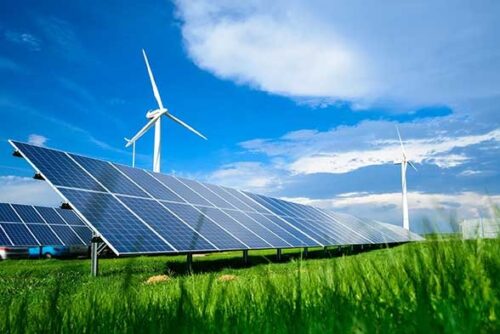
Anything from which we can derive energy is called as a source of energy. Since all the life processes need energy, energy is most important for our survival. Our body derives energy from the food we eat. Thus, the food we eat is the source of energy for our body. But this is not the whole story. We need energy for our growth and economic development as well.
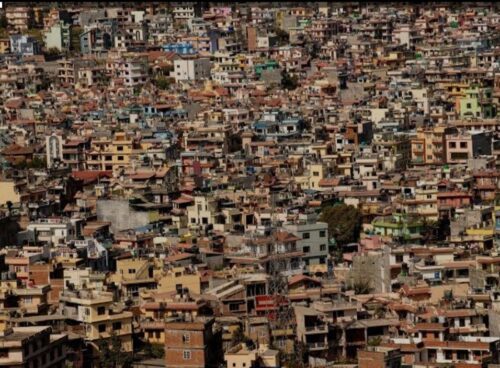
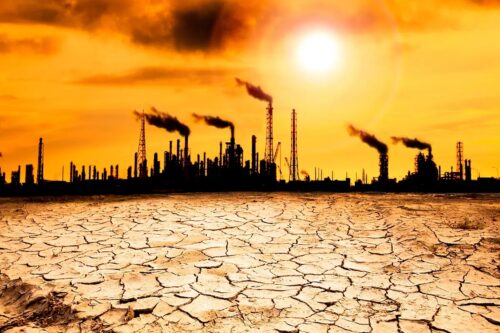
The processes of development through years have spurred on unplanned urbanization, extensive industrialization followed by different types of pollutions, construction of a series of mega dams, and large-scale application of Agro-chemicals.
The processes of development through years have spurred on unplanned urbanization, extensive industrialization followed by different types of pollutions, construction of a series of mega dams, and large-scale application of Agro-chemicals. In the process, different parts of the world have started facing ecological crises.
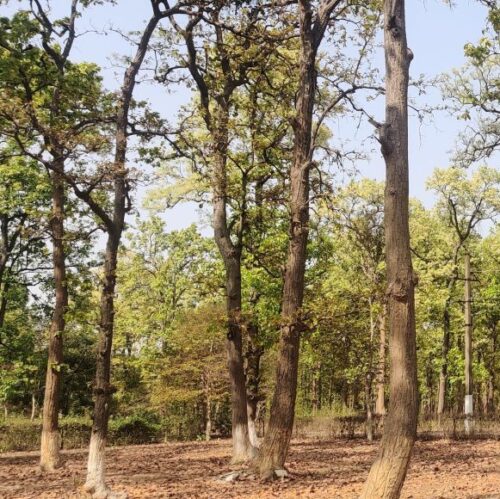
The concept of joint forest management was initiated on a large scale through guidelines issued by the government of India in 1990. According to those guidelines the village communities are to be involved in the development and protection of degraded forests based on taking their genuine share of benefits from those forests.
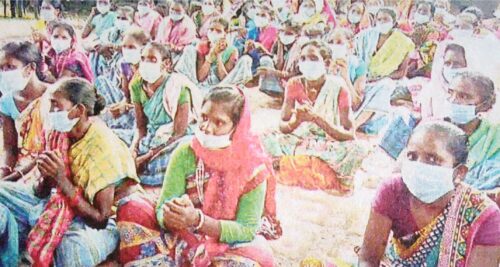
Acrowd of women listening the lecture about malnutrition.
The Industrial Policy Initiative undertaken by the Central Government in July 1991, made the Indian Industry to compete on International Levels. As a result, an Industrial Licensing Policy was adopted in 1991. It was followed by a number of steps like Liberalization of Foreign Investment in Banking Sector, Technological Collaboration with other countries, Creation of Special Economic Zones and, Simplification of Industrial Licensing and Promotion of Exports etc.
It is said that corporations can destroy the world’s intact forests. They have also the Power to help save them. They can make an impact by introducing zero- deforestation policies. These policies require suppliers to produce commodities such as timber, beef, palm oil, and fibres for paper in such a way that has a minimal impact on natural forests and climate. These can also introduce paper procurement policies that set ambitious targets to maximise the use of post-consumer recycled wood, pulp, paper and fibre in their products and ensure that any virgin fibre used is certified by a rigorous third-party certification system.
Environment may be defined as ‘Complete range of various sets of external conditions comprising- physical, biological, and for human beings- cultural, economic and political conditions; in which human beings and other life forms exist in continuous interactions among themselves.