
Demand and supply of Energy in India
Energy is essential for working and survival of all the organisms on this planet. In fact, it is the energy which enables organisms to perform their biological functions.

Energy is essential for working and survival of all the organisms on this planet. In fact, it is the energy which enables organisms to perform their biological functions.
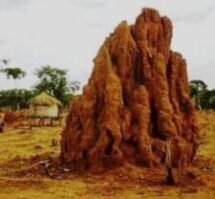
Ant colonies are Eusocial which means living in a cooperative group in which usually one female and several males are reproductively active and the non-breeding individuals care for the young and protect the group. These are very much like those found in other social animals though the various groups of these developed sociality independently through convergent evolution.
Cattle dung has been used in India to sweep cutcha houses and to make cakes for burning in kitchens. One of the best uses of dung is for making compost etc. manure. Indians, especially Hindus use cow dung for making compost, dung cakes and for religious purposes.
The Industrial Policy Initiative undertaken by the Central Government in July 1991, made the Indian Industry to compete on International Levels. As a result, an Industrial Licensing Policy was adopted in 1991. It was followed by a number of steps like Liberalization of Foreign Investment in Banking Sector, Technological Collaboration with other countries, Creation of Special Economic Zones and, Simplification of Industrial Licensing and Promotion of Exports etc.
Prevention of entry into the environment: According to this principle, pollutants are checked at the point of their origin and are not allowed to enter into the environment by the application of specific devices.
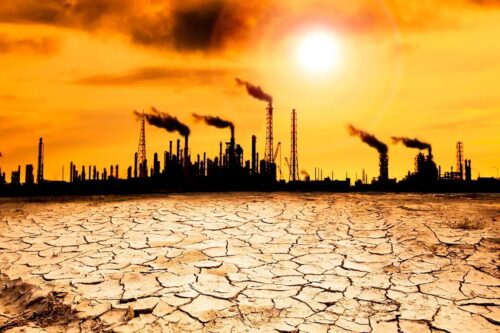
It is the unthinkable huge magnitude of all the ill effects of pollution and its ever-increasing nature, which has forced the whole of humanity to do a great deal of serous thinking about its attitude towards the relationships with the natural environment.
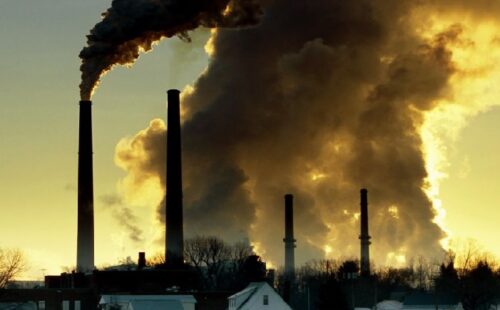
The condition produced due to ‘substances put into air by the activity of mankind into concentration sufficient to cause harmful effects to his health, vegetables, property or to interfere with the enjoyment of his property’ is called as air pollution or the atmospheric pollution
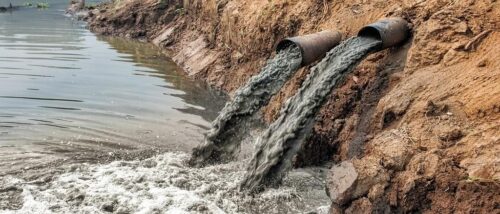
Our natural resources are known to have some specific qualities of their own. These qualities are known as natural qualities. It is due to specific natural qualities that different natural resources have been useful to us and to the whole biosphere. But now, the condition has changed considerably. Most of our natural resources like air, water and soil have gone bad due to pollution of different types. What is pollution?
On the local and regional levels, air pollution creates various types of problems against living and non- living environment. In the living environment it causes different types of physical, physiological and mental diseases.
Natural habitats support a variety of living organisms, some of which endemic to one particular habitat.
Anything from which we can derive energy is called as a source of energy. Since all the life processes need energy, energy is most important for our survival.
Our body derives energy from the food we eat. Thus, the food we eat is the source of energy for our body. But this is not the whole story. We need energy for our growth and economic development as well.