
New Organic Fertilizers
Biofertilizers: Definition, Types, Benefits, and Uses in Sustainable Agriculture The fertilizers of biological origin that don’t contain any chemicals detrimental…
Biofertilizers: Definition, Types, Benefits, and Uses in Sustainable Agriculture The fertilizers of biological origin that don’t contain any chemicals detrimental…
Integrated Pest Management (IPM) in India: Features, Benefits, and Sustainable Agriculture Practices The promotion of Integrated Pest Management (IPM) in…
Integrated Pest Management (IPM): Definition, History, Principles, and Implementation According to the Ministry of Agriculture, Department of Agriculture and Cooperation,…
Species can be classified in many different ways. One species classification system may categorise species into Typological, evolutionary, and phylogenetic species.
In the modern age of industrialization and competition for development, the human race has badly missed its traditions up to major extents and cultures- up to some extent.
The population explosions of earlier and present days have already caused and are still causing serious impacts on the global environment. As for the biological environment, the human population has stressed most biological systems, comprising flora and fauna, as well as biological diversity.
All biosphere ecosystems have well-organized functions, such as cycling nutrients through food chains, operating biogeochemical cycles, and maintaining the energy flow received by green plants through solar radiation.
Interdependence between two species through which individuals of either one or both species benefit is called positive interdependence. The benefits to the individual of any species through this relationship may be continuous or transitory, obligate or facultative. Both partners in this type of relationship may be in close contact; one may be inside some specific area or attached to the surface of the other’s body. Positive interdependence is divided into three major types: mutualism, Commensalism, and proto-cooperation.
A habitat is the natural home or environment of an animal, plant, or other organism.
Toucan is a cute and friendly bird with a small rounded tail and a long, red and amazing bill. It belongs to family Ramphastidae of zoological order Piciformes belonging to the genus Ramphastos.
There are 37 species in Ramphastidae and the largest birds are known as Toco toucan. The bird about which we are going to talk about right now is the Toucan – yes, the Ramphastos aerial. You might have seen some famous TV serials with Toucan as one of the leading characters on the National Geographic; or some famous children’s films with Toucan as here- like Rio-.
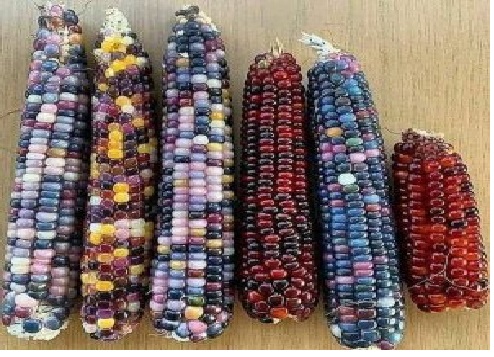
Coarse grains are broadly discussed these days. Now the world has come to know about their importance. Coarse grains have been contained in the Indian dishes since long. Now that the harmful effects of soft grains are known, the world has come to advocate the coarse grains.