Questions and Answers on Environment
Ans. Specific enzymes are needed for degradation of substances. A single enzyme cannot degrade many substances. Different types of microorganisms…
Ans. Specific enzymes are needed for degradation of substances. A single enzyme cannot degrade many substances. Different types of microorganisms…
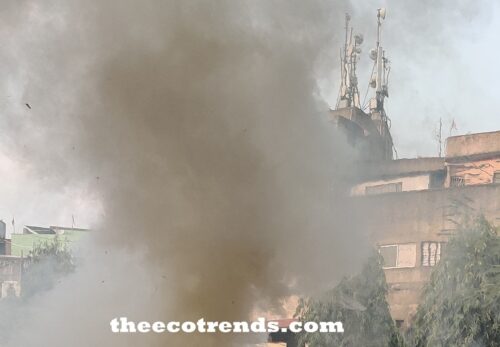
Waste too is found in three states- solids, liquids and gases. Liquid wastes such as different types of chemicals, useless medicines, detergents, pesticides, oil, automobile wastes etc. spread on the soil surface and make it poisoned. Decomposition and burning of things on ground produce different gases that pollute the air.
About 1000J radiant energy comes to the earth from the sun. Out of this, only 10% of the total energy is used up by green plants in the process of Photosynthesis. Remaining 990J of energy escapes away into the atmosphere. 10J of energy is stored in the form of chemical energy in starch and sugars.
Sun is the only source of energy in the biosphere. Every living being can get its share of energy through food only and the energy is directly or indirectly obtained from green plants only.
The flow of nutrients in ecosystem takes place in cyclic pathways through food chains, food webs and bio-geo-chemical cycles. Food…
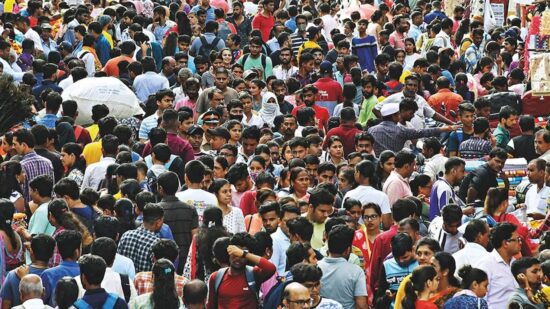
Growth of human population, fast but unplanned industrialization and irresponsible behavior to environment are causing imbalances in the local, regional, national and global environment. These are causing not only local but global problems in the environment.
Green plants and trees that synthesize their own food are called as Autotrophs.Others who depend on them are called as Heterotrophs.
The total area where living beings are found is called as biosphere. It can be divided into many small independent units called as Ecosystem. In fact, the unit of biosphere which incorporates many types of microorganisms, plants and animals, physical factors like soil, water, air etc. interacting among themselves is called as ecosystem
Substances that are thrown out to some place due to their uselessness or excreted out of our body are called as waste substances.
Man is surrounded by various life forms, forces and conditions- both physical and biological. Sunlight, land, air and water form physical conditions whereas all the plants, animals, and microorganisms form biological conditions.
We may know that there are two types of disasters: Natural and Manmade or Human Induced Disasters. Disasters that occur…
A population is a group of individuals (all members of a single species) who live together in the same habitat and are likely to interbreed. Each population has a unique physical distribution in time and space. It may contain individuals of different ages, and its size (density) is likely to change over time. It grows or shrinks according to the reproductive success of its members.