Types of species
Species can be classified in many different ways. One species classification system may categorise species into Typological, evolutionary, and phylogenetic species.
Species can be classified in many different ways. One species classification system may categorise species into Typological, evolutionary, and phylogenetic species.
The conservation of the environment implies the sustainable use and management of natural resources, including wildlife, water, air, and earth soils.
It usually focuses on human needs and interests, which include the biological, economic, cultural, and recreational values of the natural environment.
Conservation of the environment implies the sustainable use and management of natural resources, including wildlife, water, air, and soils.
Biodiversity and other sources supply raw materials to many important industries. They have aesthetic value and appeal for ecotourism, which supports the growth of the national economy. They are also potential sources of pharmaceuticals, other chemicals, agricultural materials, etc.
An association of all the plants at a particular place is called a Plant Community and the association of all the animals at the same place is called an Animal Community. Both the plant and animal communities inhabit a particular place living completely merged and interacting among them. Members of a community not only interact with the members of other communities, they interact with the members of their community and with the physical environment around them, as well.
The predominant features that create structural complexity in the environment, such as plants or animals are called as a habitat.
A process, in which natural habitat is rendered functionally unable to support the plants and animals occupying it, is named as Habitat destruction. In the process of habitat destruction, plants and animals that previously used the place are displaced or destroyed, reducing biodiversity.
In the modern age of industrialization and competition for development, the human race has badly missed its traditions up to major extents and cultures- up to some extent.
The population explosions of earlier and present days have already caused and are still causing serious impacts on the global environment. As for the biological environment, the human population has stressed most biological systems, comprising flora and fauna, as well as biological diversity.
A population is a group of individuals of a particular species occupying a particular area at a specific time.
All biosphere ecosystems have well-organized functions, such as cycling nutrients through food chains, operating biogeochemical cycles, and maintaining the energy flow received by green plants through solar radiation.
Students of the Department of Engineering in Chowdhari Charan Singh University, Meerut,India, have developed specific unit to process the in campus waste and turn it into manure. The garbage treatment Unit is called as Garbage Clinic by them.
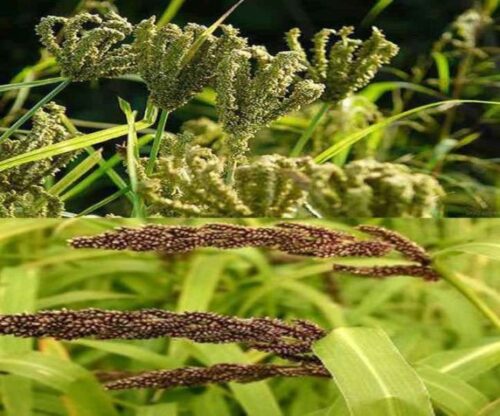
Madua or ragi or finger millet which falls under coarse grain is a very nutritive diet. The Indian Government has declared an integrated policy to encourage the use of coarse grain. Through it is clear that importance of coarse grain is about to rise in near future.