Structure and Functions of Ecosystems
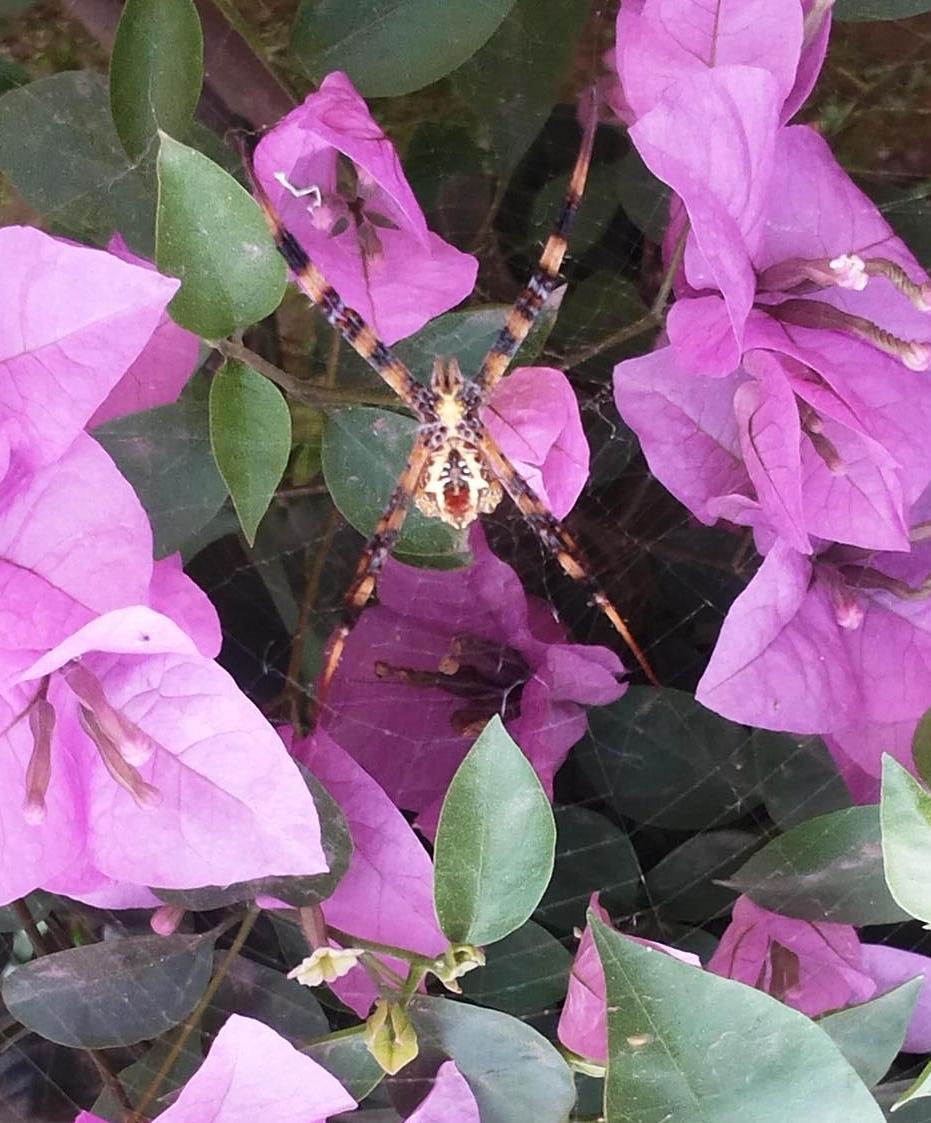
The environment has two basic components: Biotic and Abiotic. The biotic components of an ecosystem are living beings—plants, animals, and…
The environment has two basic components: Biotic and Abiotic. The biotic components of an ecosystem are living beings—plants, animals, and…
Dictionary defines the term Niche as a comfortable or suitable position in life of a living being, or a role taken by a type of organism within its community.
The biosphere is itself a vast ecosystem which incorporates all the small ecosystems. But, the biosphere may have different types of physical conditions, communities of plants and animals, and climatic conditions in its different zones.
April 2 every year is celebrated as the World Autism Day. The aim of the celebration of this day is to create Awareness among parents about this problem with their children.
Fighting against the Climate Change which has become the biggest problem of environment is a big challenge of today.
Following principles and guidelines have been accepted for the control of different types of pollution- A. Prevention of entry into…
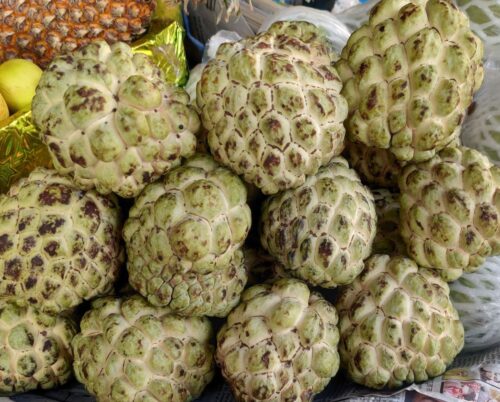
Sugar apple or Sharifa is the fruit of taxonomically known tree Annona squamosa. It is native to tropical climate in the Americas and West Indies.
A substance, factor, change, living being or a system that quantifies and simplifies phenomena and helps in understanding complex realities,…
Our environment today is facing a number of problems. All those problems are causing dangers to take shape against the existence of the whole biosphere of this planet. But who is behind all those problems? The answer is – M A N.
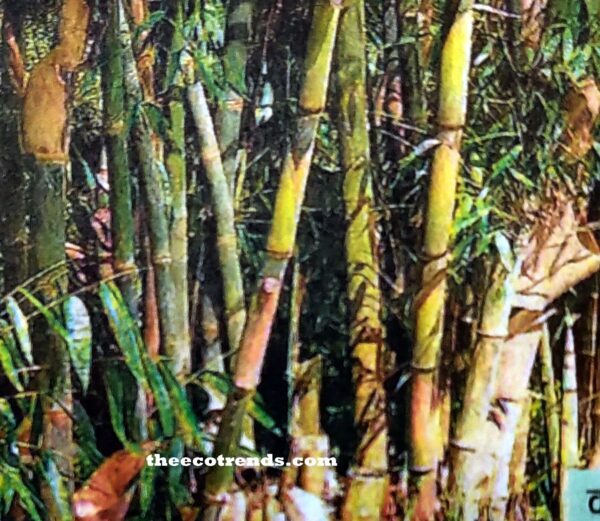
Bamboo can be said as the Green Gold to Indian Farmers as it provides vast varieties of benefits to them.
Growth of human population, fast but unplanned industrialization and irresponsible behavior to environment are causing imbalances in the local, regional, national and global environment. These are causing not only local but global problems in the environment.
It is said that corporations can destroy the world’s intact forests. They have also the Power to help save them. They can make an impact by introducing zero- deforestation policies. These policies require suppliers to produce commodities such as timber, beef, palm oil, and fibres for paper in such a way that has a minimal impact on natural forests and climate. These can also introduce paper procurement policies that set ambitious targets to maximise the use of post-consumer recycled wood, pulp, paper and fibre in their products and ensure that any virgin fibre used is certified by a rigorous third-party certification system.