The Problems of Waste in our surrounding
Substances that are thrown out to some place due to their uselessness or excreted out of our body are called as waste substances.
Substances that are thrown out to some place due to their uselessness or excreted out of our body are called as waste substances.
The first Dahlia flower in winter of the year was seen by me only today in my school garden. It looked so solitary, innocent and so beautiful that I could not resist the temptation of taking its photograph.
Darwin published his book “On the Origin of Species” on 24 November 1859. The aim of Darwin Day inspires to fulfil the academic curiosities. It demands to search the truth in scientific ways.
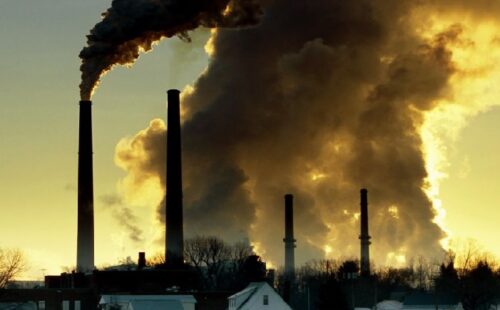
The condition produced due to ‘substances put into air by the activity of mankind into concentration sufficient to cause harmful effects to his health, vegetables, property or to interfere with the enjoyment of his property’ is called as air pollution or the atmospheric pollution
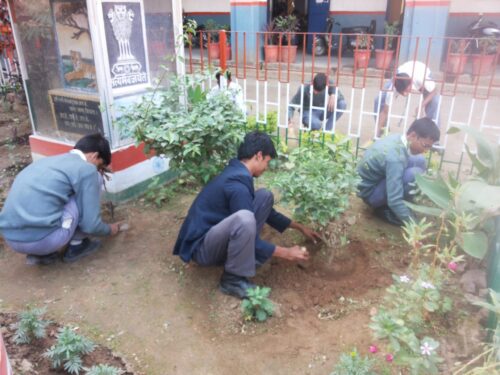
The conservation of the environment implies the sustainable use and management of natural resources, including wildlife, water, air, and earth soils.
It usually focuses on human needs and interests, which include the biological, economic, cultural, and recreational values of the natural environment.
There are four basic factors that cause population change in a country – Natality or the birth rate, Mortality or…
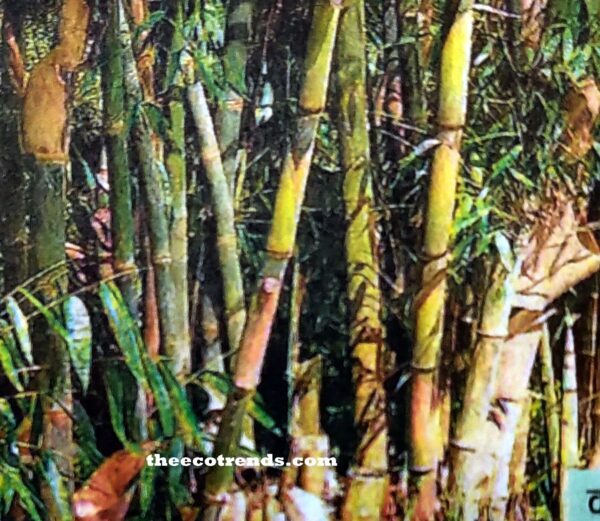
Bamboo can be said as the Green Gold to Indian Farmers as it provides vast varieties of benefits to them.
According to the Policy Document of Indian Agriculture Policy, Agriculture in India is a way of life, a tradition, which,…
The mechanical process of breathing involves inspiration and expiration.
Such bio-chemical and physiological management of body through which body activities remain in control while keeping up adjustments with different body organs