daisy

Advertisement
September 28, 2024 Recommended

Types of Ecosystems – Terrestrial and Aquatic

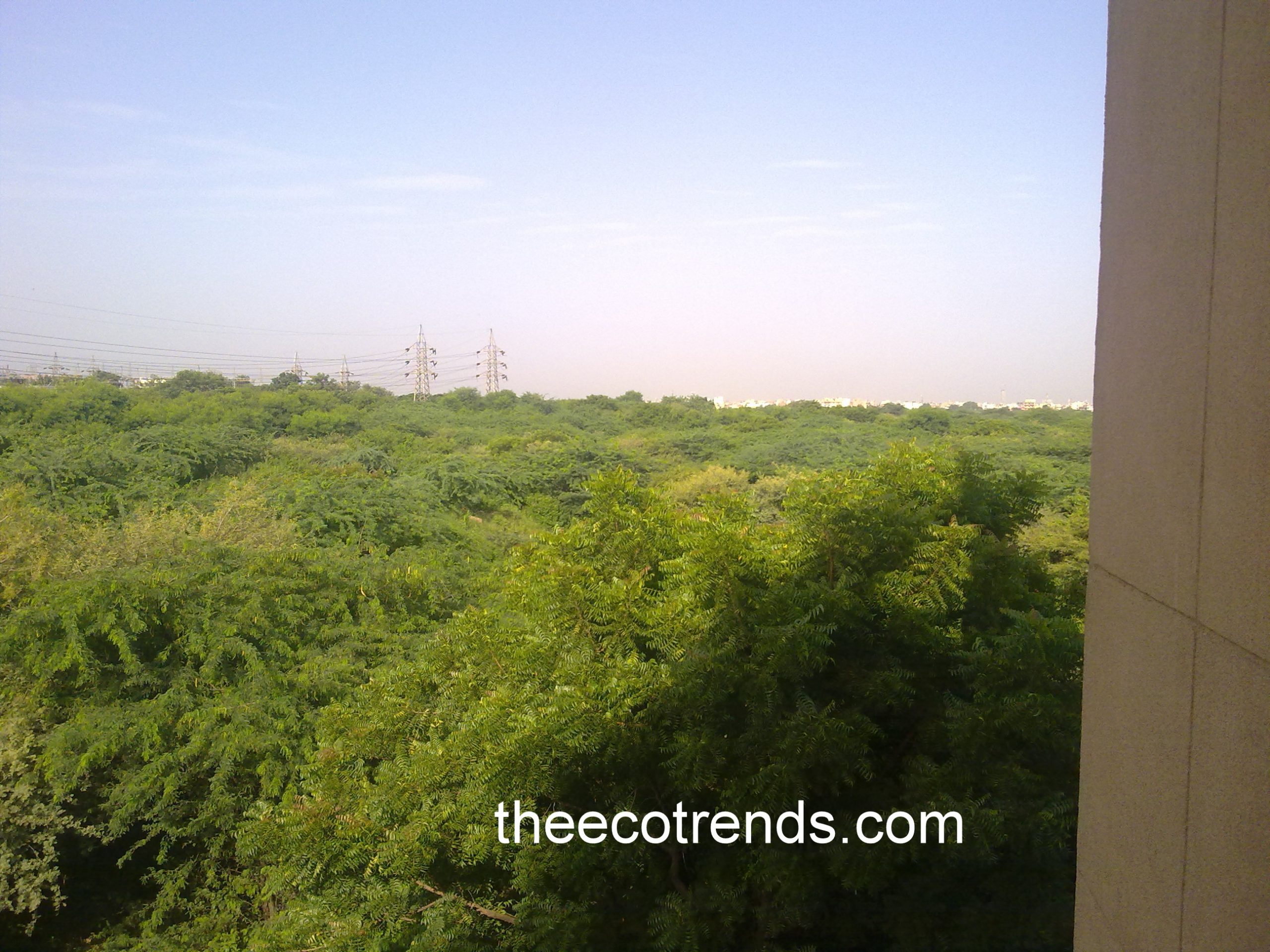
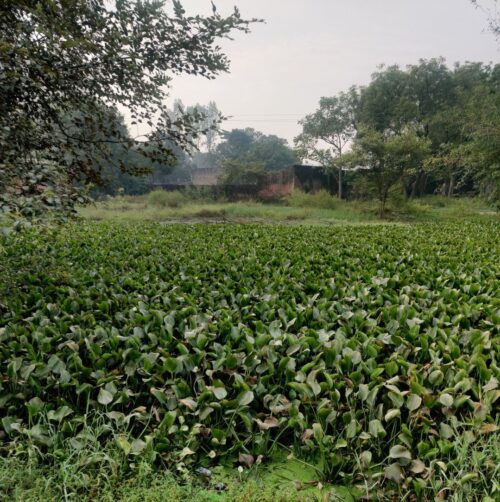
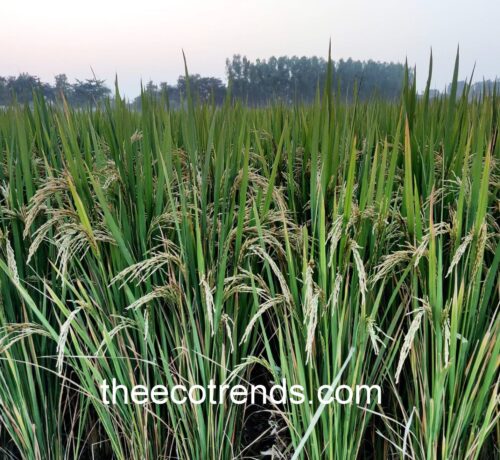
Ecosystems can be categorised into two broad categories: natural and artificial. Natural Ecosystems are those ecosystems that operate by themselves under natural conditions. These ecosystems are further categorized as Terrestrial and Aquatic Ecosystems. Terrestrial ecosystems relate to lands, whereas Aquatic ecosystems relate to fresh or marine water. Freshwater ecosystems may be Lotic or Lentic. Lotic are running water ecosystems like springs, streams or rivers, whereas Lentic Fresh Water Ecosystems may be found in standing waters of lakes, ponds, pools, puddles, ditches, swamps, etc. Marine Ecosystems are found in marine waters of salt lakes, seas, oceans and estuaries. Artificial Ecosystems are man-engineered ecosystems like crop fields, artificial ponds and lakes, aquaria, fish ponds, and abandoned mines reclaimed as lakes or water bodies for recreation.

Read Article
February 27, 2021 Recommended

Types of Family Structure in India

Family is a universal Organisaion. The structure and form of a family varies from society to society. Variations in the forms of family are created by culture, social system, social values, and conditions of life. It is difficult to classify family on any one of these bases.

Read Article
September 27, 2021 Recommended

Human Attitudes to Animals

Humans have a complex relationship with animals. They use them for a variety of purposes. There are working animals, companion animals, animals used for scientific research, and animals used for food and byproducts.

Read Article
March 2, 2023 Recommended

Coarse grains to promote health

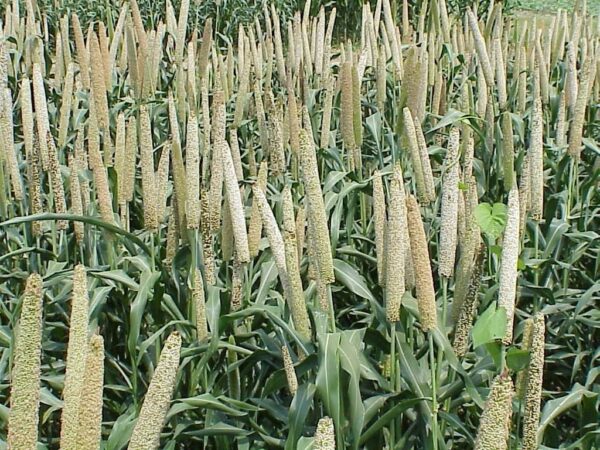
Coarse grains are broadly discussed these days. Now the world has come to know about their importance. Coarse grains have been contained in the Indian dishes since long. Now that the harmful effects of soft grains are known, the world has come to advocate the coarse grains.

Read Article
August 19, 2022 Recommended

Hunger, Famine, and Nutritional Deficiency Diseases

People who suffer from hunger remain undernourished. They don’t get enough food to eat. As such they don’t get energy, they need to live active lives. Undernourished persons remain unable to study, work or otherwise perform physical and mental activities. This condition is especially hard for women and children. Continuous hunger weakens the immune system and makes them vulnerable to diseases and infections. Mothers who suffer continuous hunger often give birth to underweight and weak babies, and they face increased risk of death.

Read Article
April 11, 2023 Recommended

Overpopulation and its impact

A group of individuals of a particular species occupying a particular area at specific time is called as population. A species is a group of similar type of organisms that can interbreed under natural conditions. The interbreeding organisms of a species produce new organisms and finally result into the growth of population. This is true for all the life forms including human beings.

Read Article
July 28, 2021 Recommended

Different Plant- Movements

The positive movements of a plant shoot in response to light or movement of shoot towards the source of light is called as Phototropism. If the part of a plant moves away from light, this movement is called as Negative Phototropism.

Read Article
Advertisement
Gallery Picture
Gallery Picture
Gallery Picture
Gallery Picture
Gallery Picture
Gallery Picture
Gallery Picture
Gallery Picture
Gallery Picture
Gallery Picture
Gallery Picture
Gallery Picture
Gallery Picture
Gallery Picture
Gallery Picture
Gallery Picture
Gallery Picture
Gallery Picture