Teaching the Environmental Education
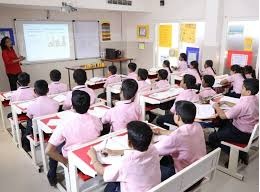
Teaching of environmental education is rather different. In involves practical experiences. For this both indoor and outdoor studies are essential.It also involves parents and community
Teaching of environmental education is rather different. In involves practical experiences. For this both indoor and outdoor studies are essential.It also involves parents and community
More than half of the population of the world comprises farmers. These farmers know that maintaining and conserving natural resources are very important to sustain their lives. However, the demand of more and more food due to the exploding population and higher expectations for comfort and wealth enforces these farmers to exploit more and more of the natural resources through the application of modern technology. The agriculture based on the latest farm machinery, hybrid and high-yielding crop varieties and agrochemicals is called as modern agriculture. Under the changing trends of modern agriculture, the difficult situation of maintaining and conserving natural resources is being faced the world over in the agriculture sector.
Mode of nutrition through which an organism depends on other organisms for food due to its inability to synthesise food is called as heterotrophic nutrition.
Abrupt changes in environment often do not give time to an organism to get ready and to face the challenges. As such the organism can survive only when it has sufficient abilities to tolerate these changes.
Different activities may generate waste which may be solid or liquid. The quality of both solid and liquid wastes is increasing and if the wastes are disposed in an uncontrolled manner these may cause adverse impact on public health and environment. Hence these wastes need to be managed efficiently so as to safeguard public health and environment. In definitional terms, solid and liquid waste management is the collection, transportation, processing, recycling, treatment and disposal of waste materials.
We have been hearing about environmental pollution, loss of biodiversity, energy crisis, and the sustainable environment since long. So many things have already been infused in school syllabi as well. But how many of us really apply in our real life the things about which we have read in our classes? If you collect yourselves and think seriously, you may find that you are still not as careful as you are supposed to be.
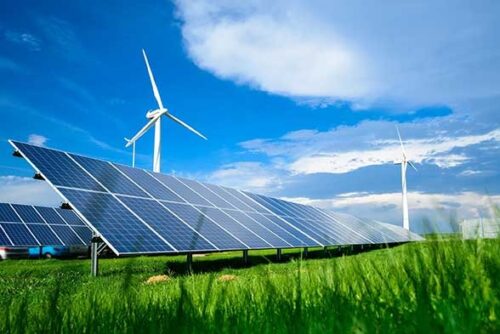
Anything from which we can derive energy is called as a source of energy. Since all the life processes need energy, energy is most important for our survival. Our body derives energy from the food we eat. Thus, the food we eat is the source of energy for our body. But this is not the whole story. We need energy for our growth and economic development as well.
Button mushroom is very popular in Indian markets and in other countries. It’s commercial production can be a better option for employment. Recently Jharkhand has started the export of vegetables to other countries. If the state produces mushrooms of international standards, the farmers of this state can get better self employment.
With the growth of human population, more and more land was cleared for cultivation, housing and cattle rearing. Later, as towns and cities started developing, vast areas of land were started to be consumed in making roads, rail tracks, bridges, buildings, markets, trade centres, Educational and Research Centres, hospitals, railway junctions, etc.
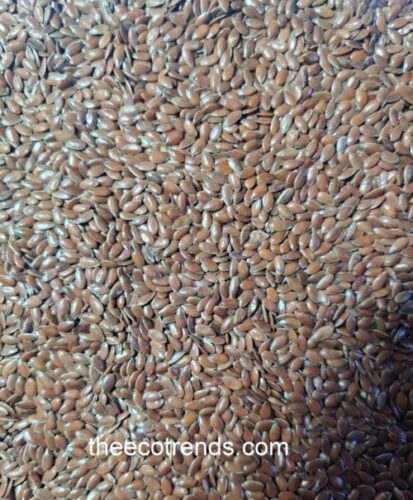
In irrigated conditions 80 kg of Nitrogenous fertilizers, 30 kg of Phosphorus, 20 kg of Potassium and 20 kg of Sulphur fertilizers are recommended in one hectare of land for the linseed cultivation.
The attitude which manifests by excellent behaviour of players is called as Fair Play.