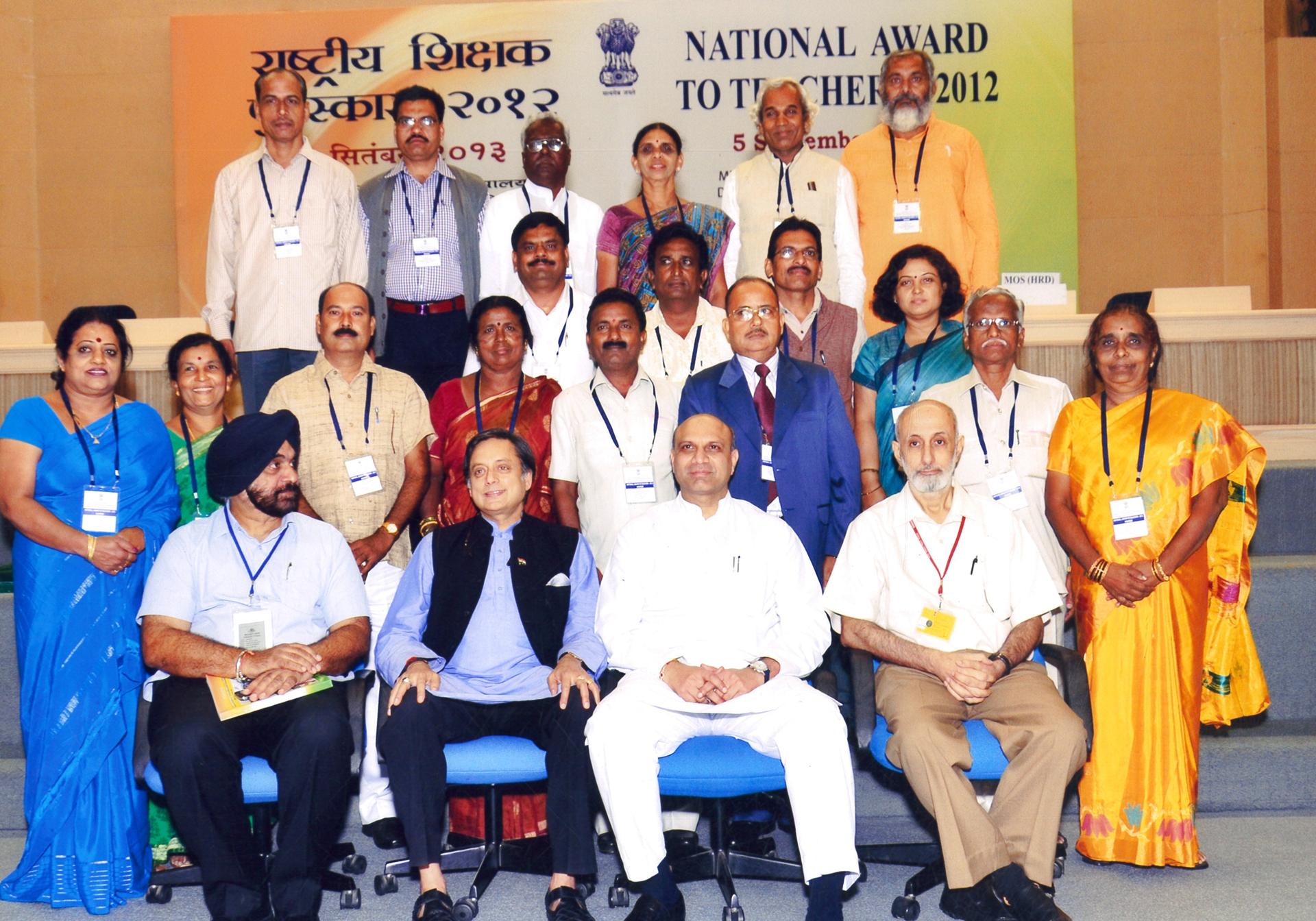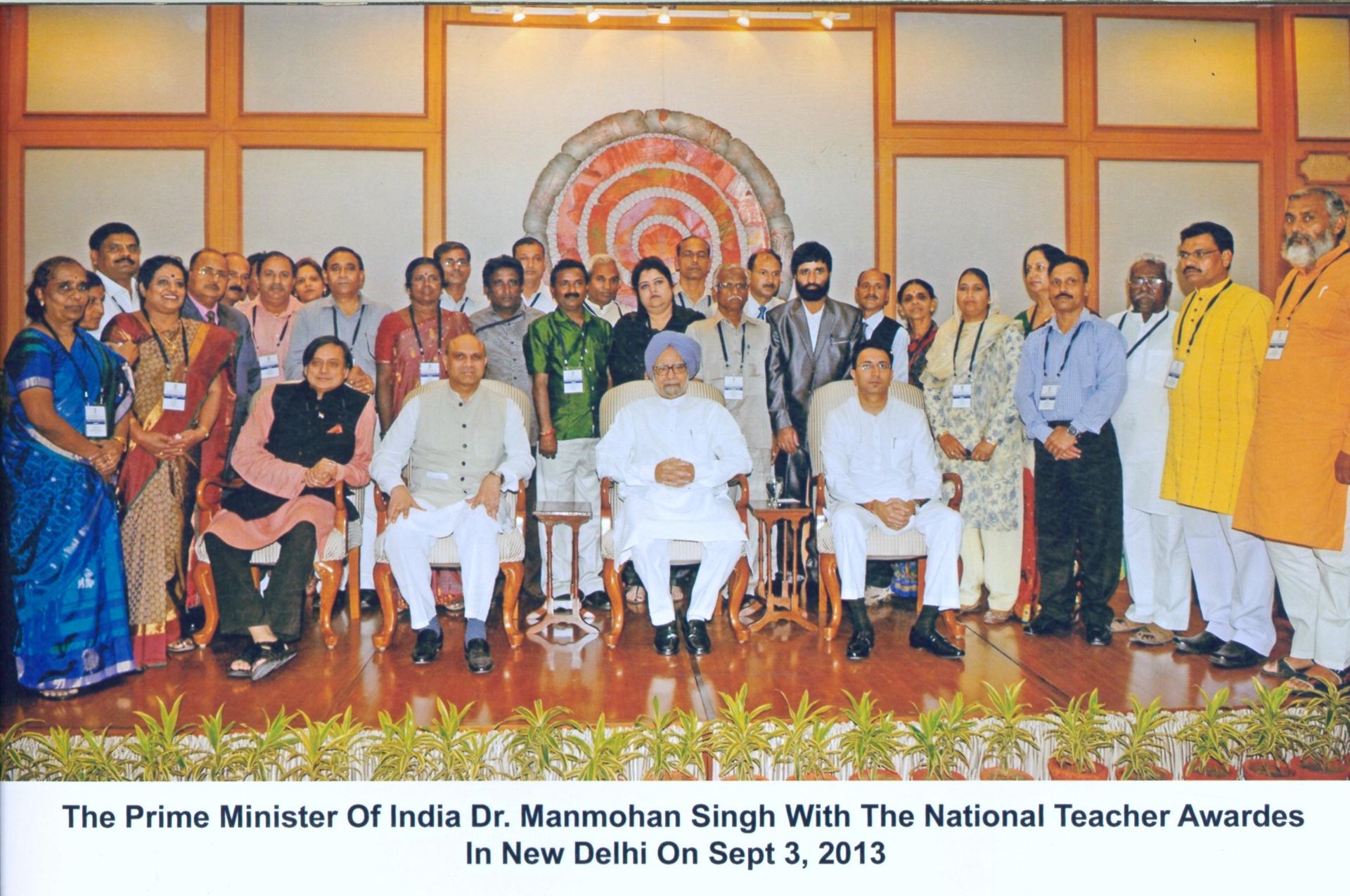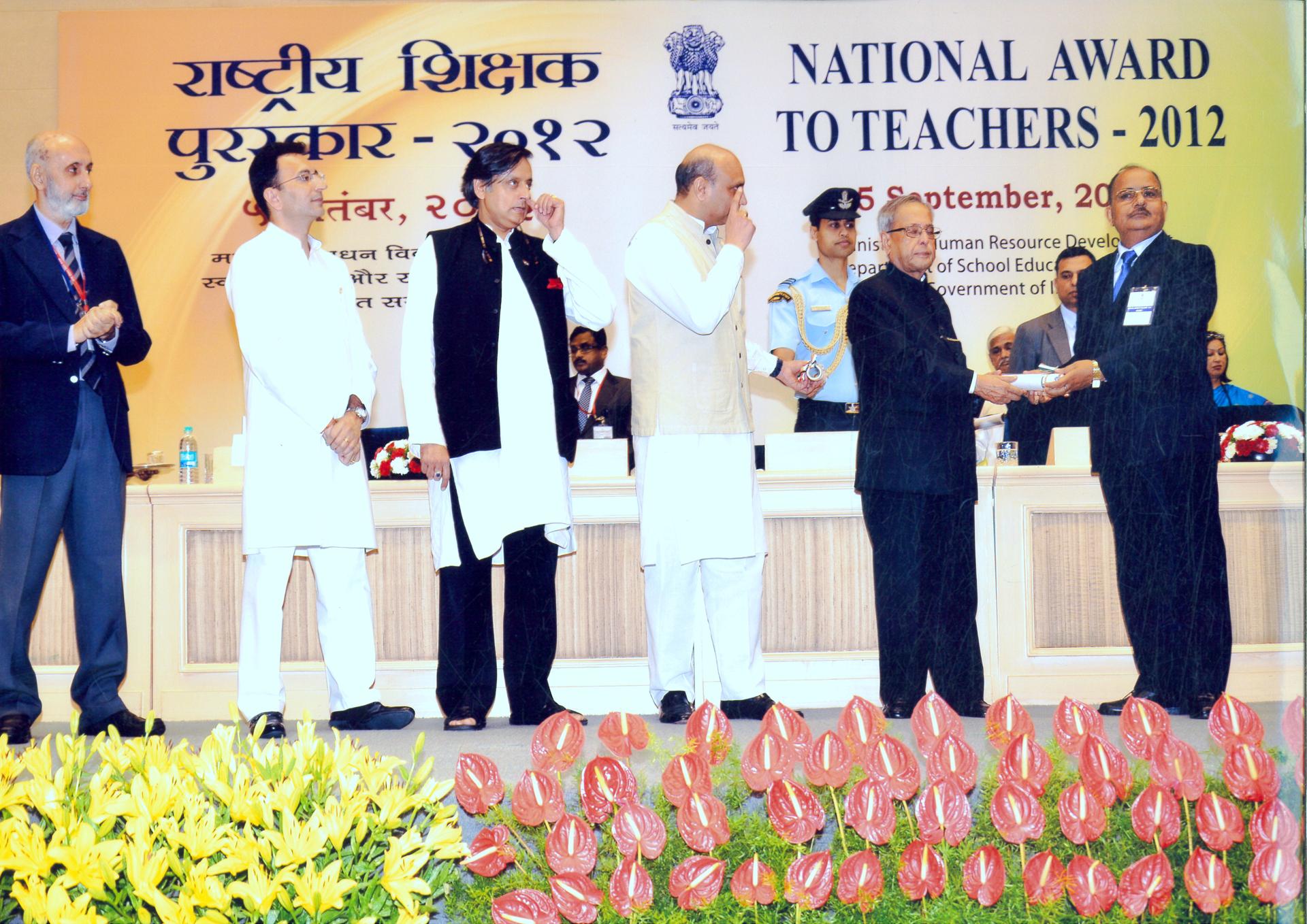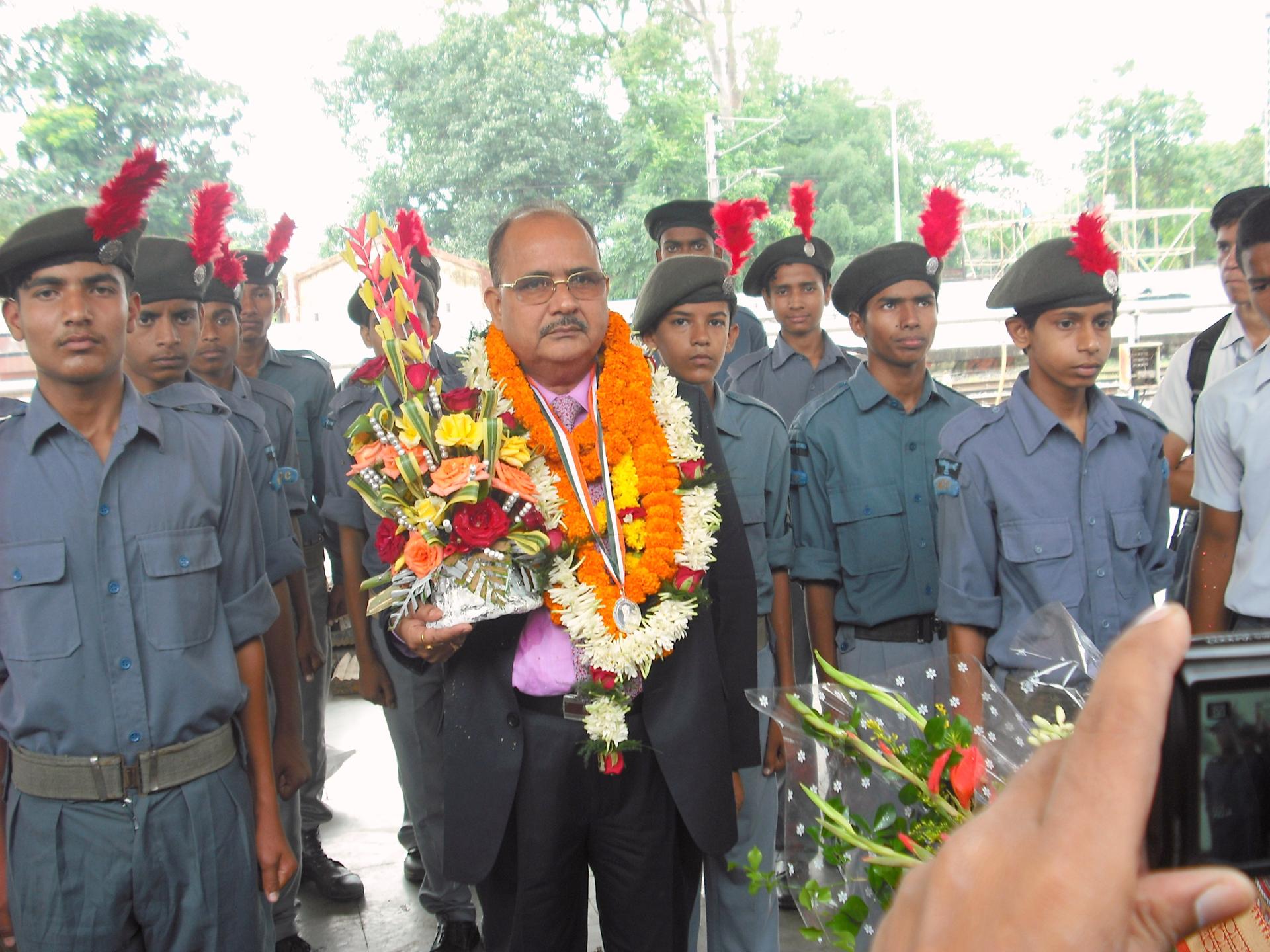
group

Advertisement
February 26, 2021

Origin and Characteristics of a Family

The early man started his life as an individual. Gradually he came in contact with his fellows and he started developing a social life. At any period of human life it is hard to understand that a man ever remained in isolation. Thus this hypothesis does not cover the whole thing.

Read Article
August 18, 2024 Recommended

What are Environment and Environmental Science?

Environment may be defined as ‘Complete range of various sets of external conditions comprising- physical, biological, and for human beings- cultural, economic and political conditions; in which human beings and other life forms exist in continuous interactions among themselves.

Read Article
October 1, 2022 Recommended

Soil Pollution: Causes and Consequences

Mixing of different types of substances in soil- which affects its natural qualities, and reduces its fertility- is called as soil pollution. Some environmentalists define soil pollution as – build-up of toxic chemical compounds, salts, pathogens or radioactive materials in soil that can affect plant and animal life adversely, is called as soil pollution.

Read Article
January 5, 2021 Recommended

Flowers and Flower Sellers

Flowers are most beautiful and attractive parts of a plant. These contain reproductive structures- male and female. Flowers containing any one of these structures are known as unisexual whereas flowers containing both the reproductive structures are known as bisexual.

Read Article
July 25, 2020 Recommended

Plants that survive under hardships

Many ferns grow along north or west facing walls every year. Their spores might have been there in crevices during the dry season. Unless there is a supply of water from leaking pipe they complete their life cycle within the rainy season and pack up with the passing rains. They pass away and leave for us a lesson to remain happy and survive in hard conditions.

Read Article
September 28, 2024 Recommended

Types of Ecosystems – Terrestrial and Aquatic

Ecosystems can be categorised into two broad categories: natural and artificial. Natural Ecosystems are those ecosystems that operate by themselves under natural conditions. These ecosystems are further categorized as Terrestrial and Aquatic Ecosystems. Terrestrial ecosystems relate to lands, whereas Aquatic ecosystems relate to fresh or marine water. Freshwater ecosystems may be Lotic or Lentic. Lotic are running water ecosystems like springs, streams or rivers, whereas Lentic Fresh Water Ecosystems may be found in standing waters of lakes, ponds, pools, puddles, ditches, swamps, etc. Marine Ecosystems are found in marine waters of salt lakes, seas, oceans and estuaries. Artificial Ecosystems are man-engineered ecosystems like crop fields, artificial ponds and lakes, aquaria, fish ponds, and abandoned mines reclaimed as lakes or water bodies for recreation.

Read Article
October 4, 2021 Recommended

Communities dependent on animals

Man has been keeping animals and depending on them for his livelihood since the origin of civilization. Washermen have been depending on donkeys since long for carrying clothes.

Read Article
Advertisement
Gallery Picture
Gallery Picture
Gallery Picture
Gallery Picture
Gallery Picture
Gallery Picture
Gallery Picture
Gallery Picture
Gallery Picture
Gallery Picture
Gallery Picture
Gallery Picture
Gallery Picture
Gallery Picture
Gallery Picture
Gallery Picture
Gallery Picture
Gallery Picture
Gallery Picture
Gallery Picture
Gallery Picture