
Technological Development
The application of scientific knowledge for practical purposes, especially in industry, is called as technology.
The application of scientific knowledge for practical purposes, especially in industry, is called as technology.
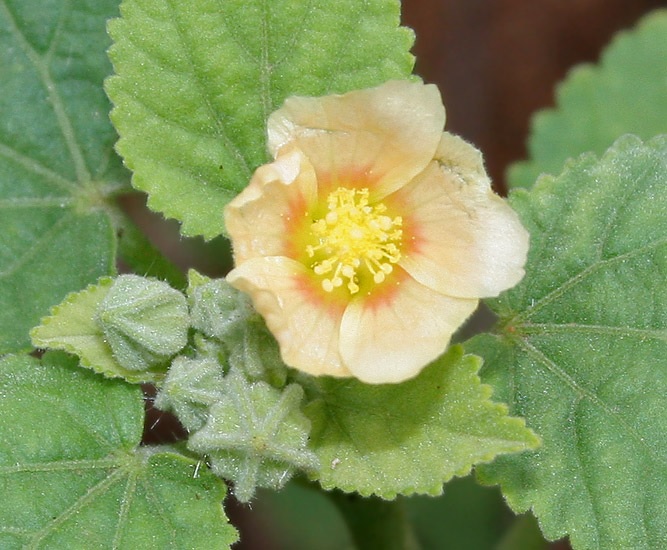
Sida is a shrubby plant which belongs to Malvaceae, a family of flowering plants. It grows in the wild in different types of habitats like overgrazed lands, roadsides; along the sides of walls of old buildings etc.
Land management is the process of managing the use and development of land resources in rural and urban areas. Land resources are used for a variety of purposes which may include organic agriculture, reforestation, water resource management and eco-tourism projects.
The Conservation Status of Biodiversity is usually known through the comprehensive Inventory prepared periodically by the IUCN, the International Union for the Conservation of Nature and Natural Resources. This comprehensive Inventory of the Conservation Status of Species is popularly known as the Red List or the Red Data List.
The processes of development through years have spurred on unplanned urbanization, extensive industrialization followed by different types of pollutions, construction of a series of mega dams, and large-scale application of Agro-chemicals. In the process, different parts of the world have started facing ecological crises.
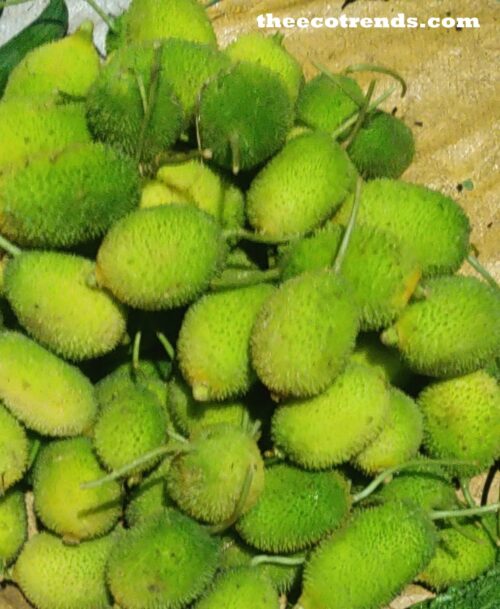
Kheksa is taxonomically known as Momordica dioica. It is commonly known as Kheksa, Spiny gourd, bristly Balsam pear, and Prickly carolaho, Kantola etc. It belongs to the family Cucurbitaceae.
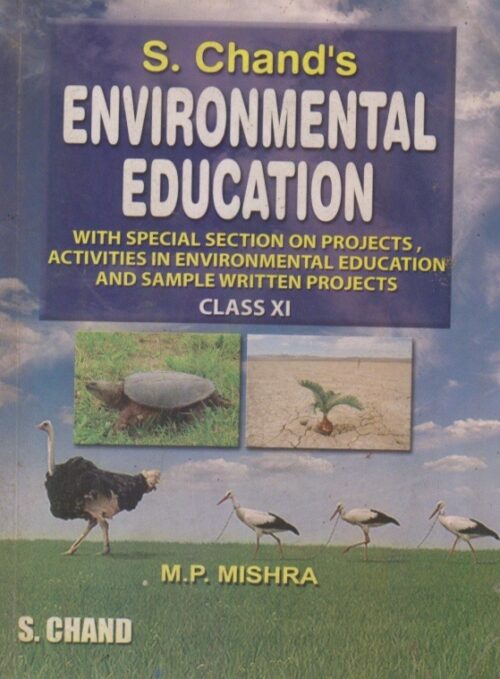
Book Review S. CHAND’S ENVIRONMENTAL EDUCATION CLASS XI BY DR. M. P. MISHRA PURPOSE OF THE BOOK This book on…
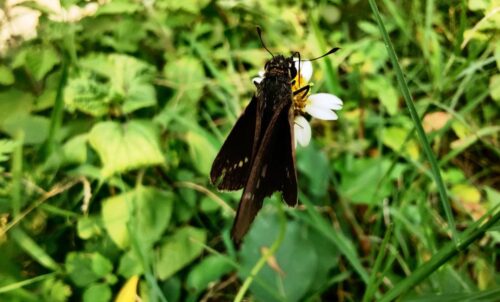
We have many types of butterflies around us. These are good pollinators of crop plants and grass pollinators. Theecotrends lens has some images of these pollinators
A number of non-governmental organisations (NGOs) or non-governmental agencies have been playing their important roles in spreading Environmental Awareness across the globe and in developing policies for the protection of environment and sustainable development.
Dams have started drying in Ranchi, the capital of Jharkhand state of India.
The Envelope of air held around the earth by its magnetic force, gravity or geomagnetism, is called the atmosphere.
Proper arrangement of resources and techniques to check losses to crops through different factors is called as Crop Protection Management.