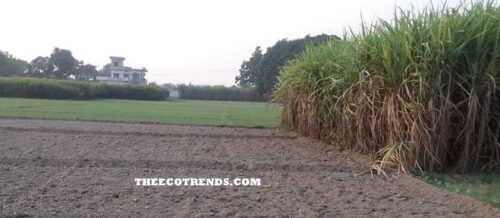
Our Food Resources
The resources that provide food to living organisms are called as food resources.
The resources that provide food to living organisms are called as food resources.
Ecosystems can be categorised into two broad categories: natural and artificial. Natural Ecosystems are those ecosystems that operate by themselves under natural conditions. These ecosystems are further categorized as Terrestrial and Aquatic Ecosystems. Terrestrial ecosystems relate to lands, whereas Aquatic ecosystems relate to fresh or marine water. Freshwater ecosystems may be Lotic or Lentic. Lotic are running water ecosystems like springs, streams or rivers, whereas Lentic Fresh Water Ecosystems may be found in standing waters of lakes, ponds, pools, puddles, ditches, swamps, etc. Marine Ecosystems are found in marine waters of salt lakes, seas, oceans and estuaries. Artificial Ecosystems are man-engineered ecosystems like crop fields, artificial ponds and lakes, aquaria, fish ponds, and abandoned mines reclaimed as lakes or water bodies for recreation.
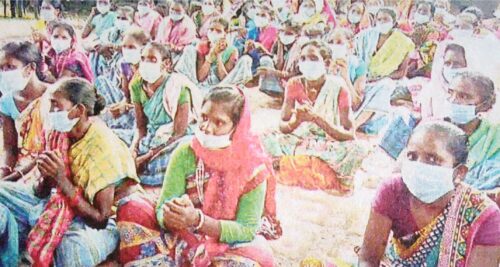
Acrowd of women listening the lecture about malnutrition.
There are three phases of development of technology- invention, innovation and diffusion. The invention is a process which incorporates wide range of ideas, material things, and human behaviour in new systematic ways.
The concept of joint forest management was initiated on a large scale through guidelines issued by the government of India in 1990. According to those guidelines the village communities are to be involved in the development and protection of degraded forests based on taking their genuine share of benefits from those forests.
Sparrow or the House Sparrow taxonomically belongs to the family Passeridae. It is found in most parts of the world.
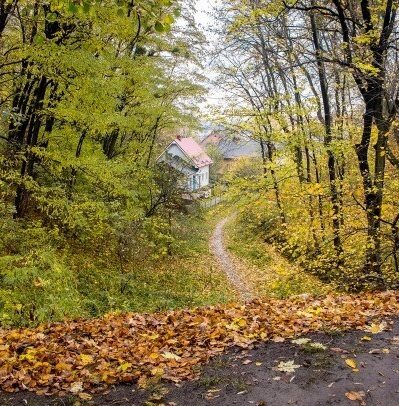
A forest is a highly complex and constantly changing environment. It is made up of a variety of living things like wildlife, trees, shrubs, wildflowers, ferns, mosses, lichens, fungi and microscopic soil organisms; and non-living things such as water, nutrients, rocks, sunlight and air. Trees are the biggest part of this complex community.
Humans have a complex relationship with animals. They use them for a variety of purposes. There are working animals, companion animals, animals used for scientific research, and animals used for food and byproducts.
In the current period of Corona Pandemic most of the people are running to and fro for oxygen container as if Oxygen can only cure the corona patients in this period.
Natural beehives are naturally occurring structures occupied by honeybee colonies, such as hollowed-out trees, while domesticated honeybees live in man-made beehives, known as Apiary.
The information received by a receptor at the end of a dendrite sets of a chemical reaction that creates an electric impulse.
Living organisms capable of synthesizing food on their own are called as plants. They contain chlorophyll, the green magnesium compound which helps in trapping the energy from sun. This energy runs the process of photosynthesis through which glucose is basically synthesized in leaves and green stems on combining together the atmospheric carbon dioxide and water.