The Bird – Trade in India
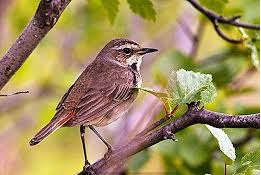
Some reports regarding increasing bird trade in endangered species that were published recently in some news papers are matters of concern not alone for the lovers of environment and wildlife but for common public as well.
Some reports regarding increasing bird trade in endangered species that were published recently in some news papers are matters of concern not alone for the lovers of environment and wildlife but for common public as well.
Deepawali is the time of functions. This is the time when we meet with our friends and relatives. The atmosphere of love and recreation remains all around at this time. But we never think that we forget certain other important things at this time.
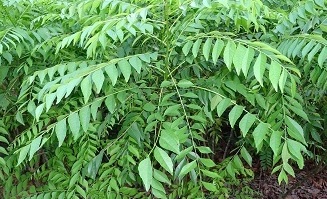
Kurry plant is a tropical or sub-tropical plant. It taxonomically belongs to family Rutaceae
Biodiversity sources and also other sources supply raw materials to many important industries.
They have aesthetic value and an appeal for ecotourism, which supports the growth of the national economy. They are also potential sources of pharmaceuticals, other chemicals, agricultural materials, etc.
Pharmaceutical products of biodiversity origin offer important medicines to our healthcare systems and prepare a background for many social services. Besides these, biodiversity offers various ecosystem services as each of the numerous species of animals and plants depends on other animals or plants for survival, breeding, and development.
Abrupt changes in environment often do not give time to an organism to get ready and to face the challenges. As such the organism can survive only when it has sufficient abilities to tolerate these changes.
Onion is a bulb. It is a vegetable which is most widely cultivated species. Its genus is Allium. This genus…
Living beings interact among themselves in the same species, with the members of the other species, and with the components of the abiotic environment in an ecosystem. Interaction between the members of the same species is called as Intraspecific whereas the interaction among individuals of different species is called as Interspecific.
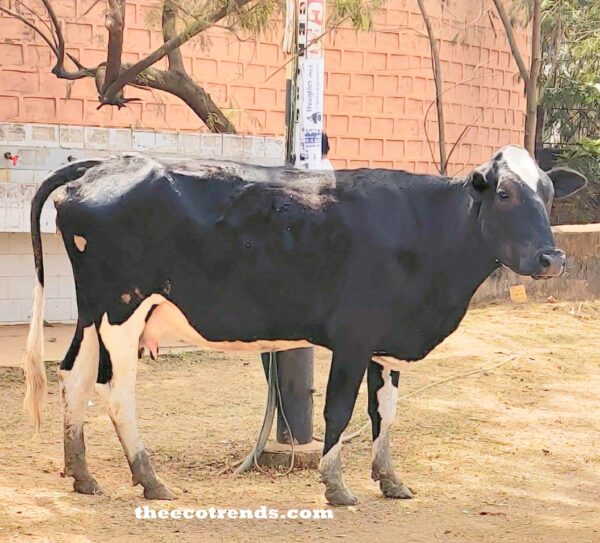
Animals could be mainly divided into wild and domestic.
However, the domestic animals that live under wild conditions are called Feral Animals. It is not very difficult to understand a domestic animal from a wild animal, by looking at them, as there are many differences exhibited between them.
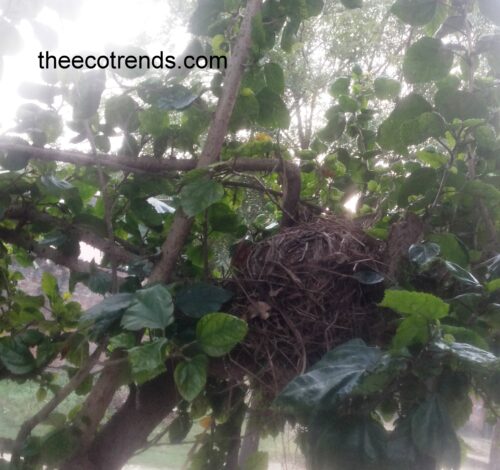
These birds used to fly in and around our houses about some decades ago. But these birds are very rarely seen in our surroundings.
Jharkhand state of India has already been self sufficient in the area of Pisciculture. Now, the farmers of the state are working to make the state more progressive in the area of animal husbandry and to set new records for the state.