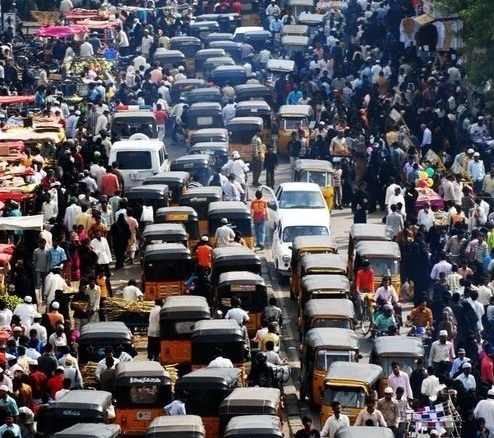

The increasing Human Population is putting immense pressure on Resources
A population is a group of individuals of a particular species occupying a particular area at a specific time.
A population is a group of individuals of a particular species occupying a particular area at a specific time.
Living beings interact with each other, with members of other species, and with components of the abiotic environment in an…
There are four basic factors that cause population change in a country – Natality or the birth rate, Mortality or…
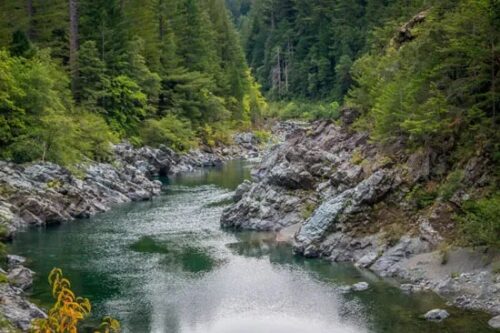
Ever since the earth was inhabited, humans and other life forms have depended on things that exist freely in nature to survive. These things include water (seas and fresh water), land, soils, rocks, forests (vegetation), animals (including fish), fossil fuels and minerals. They are called Natural Resources and are the basis of life on earth.
Human activities have never been friendly to environment. The remains of Mohenjo-Daro and Harappa signify that the civilization ended due to desertification which might had been caused by large scale deforestation. Still today impacts of such human activities have started appearing. Hence it is essential that we manage our natural resources properly.
Students of the Department of Engineering in Chowdhari Charan Singh University, Meerut,India, have developed specific unit to process the in campus waste and turn it into manure. The garbage treatment Unit is called as Garbage Clinic by them.
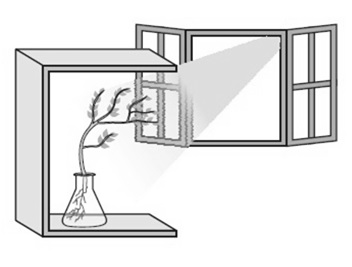
The positive movements of a plant shoot in response to light or movement of shoot towards the source of light is called as Phototropism. If the part of a plant moves away from light, this movement is called as Negative Phototropism.
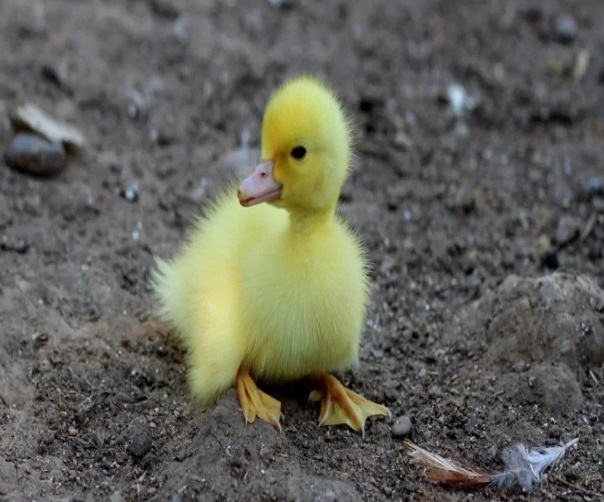
The term animal has its origin from the Latin word animalis which means one who has breath. This word is usually applied for the non-human members of the Kingdom Animalia in animal taxonomy. However, the closer relatives of humans like mammals (having mammary glands) have been included in this term.
Water is the principal constituent of our body. Water is chemically an inorganic, transparent, tasteless, odourless, and colourless. It is the main constituent of the hydrosphere of the earth.
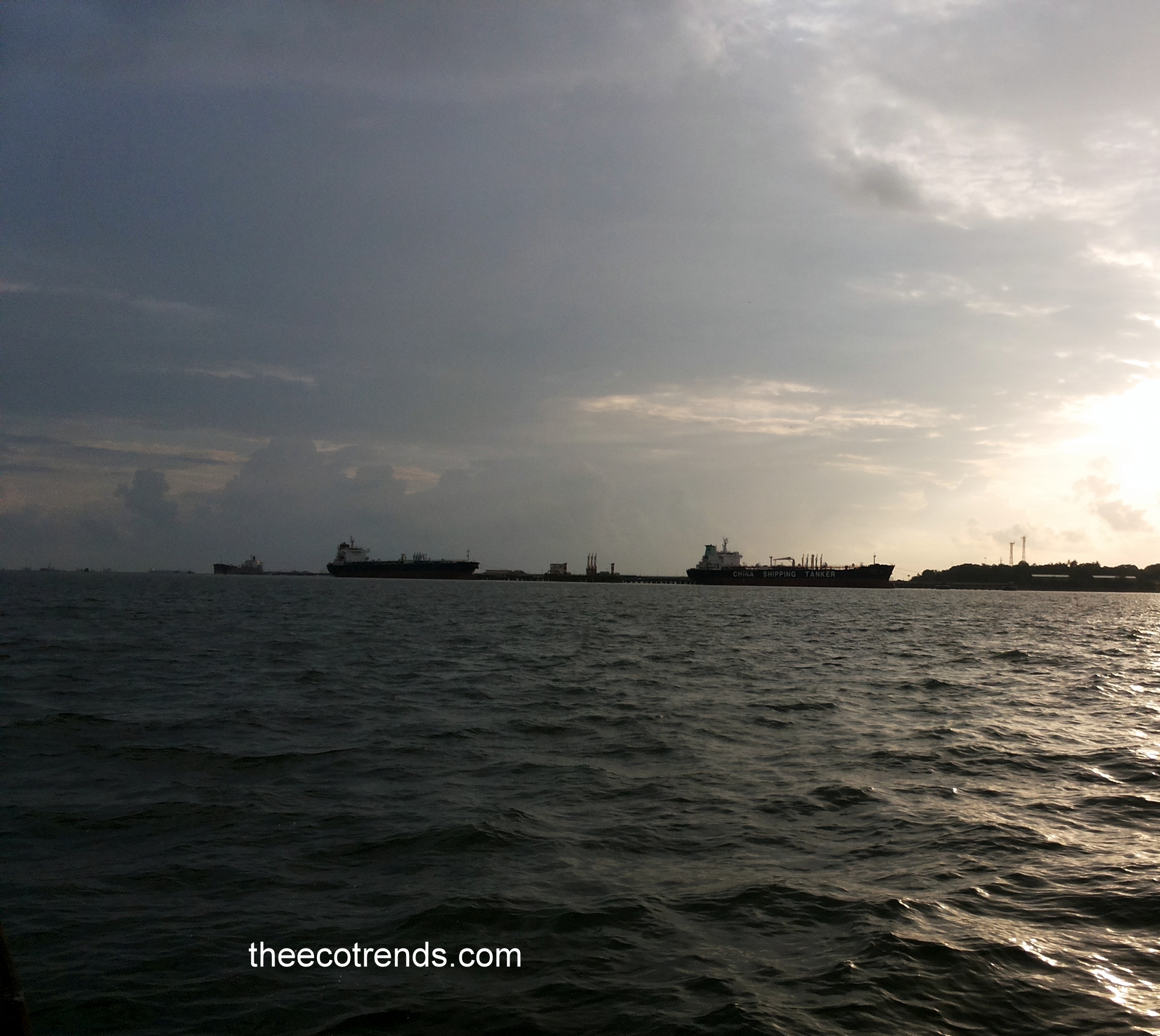
Cyclones are extremely disastrous hazards that originate in seawater. These are usually followed by rains and wind of very high speed.In fact, these are atmospheric disasters that occur mainly in coastal areas like coastal regions of Bangla Desh and India.
Different activities may generate waste which may be solid or liquid. The quality of both solid and liquid wastes is increasing and if the wastes are disposed in an uncontrolled manner these may cause adverse impact on public health and environment. Hence these wastes need to be managed efficiently so as to safeguard public health and environment. In definitional terms, solid and liquid waste management is the collection, transportation, processing, recycling, treatment and disposal of waste materials.