
Questions on Planning for Environmental Conservation and Protection
questions on environmental protection
questions on environmental protection
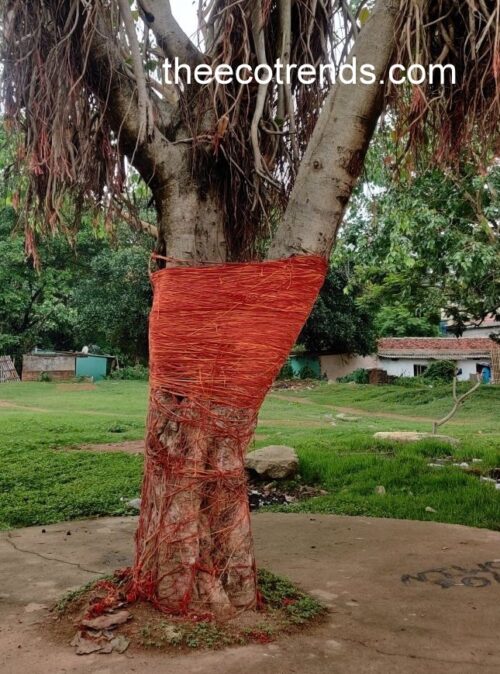
Tribal people of Jharkhand worship Karam Tree during their Karma Pooja. During this Pooja twigs of Karam Tree are planted at a sacred place. The Pahans (Purohits) worship these branches.
A number of non-governmental organisations (NGOs) or non-governmental agencies have been playing their important roles in spreading Environmental Awareness across the globe and in developing policies for the protection of environment and sustainable development.
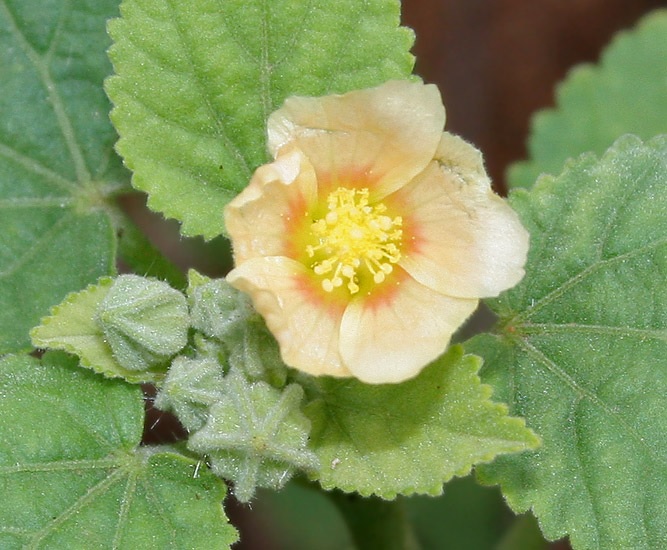
Sida is a shrubby plant which belongs to Malvaceae, a family of flowering plants. It grows in the wild in different types of habitats like overgrazed lands, roadsides; along the sides of walls of old buildings etc.
Jordanov was a famous Italian philosopher, astronomer, mathematician and poet of 16th century. He was born in Shola, Italy in 1548.
Parental traits are transferred from one generation to other generation by means of chromosomes, DNA, or Genes.
Our natural resources are known to have some specific qualities of their own. These qualities are known as natural qualities. It is due to specific natural qualities that different natural resources have been useful to us and to the whole biosphere. But now, the condition has changed considerably. Most of our natural resources like air, water and soil have gone bad due to pollution of different types. What is pollution?
Energy is essential for working and survival of all the organisms on this planet. In fact, it is the energy which enables organisms to perform their biological functions.
Determining male or female form of living organism through sexual reproduction is called as sex determination. Sex determination on a large scale is of two types- environmental, genetic and chromosome based.
The dry weight of organic matter produced by plants, their derivatives and wastes are called as BIOMASS. The biomass includes crop residues, plant parts, body parts of dead animals and animal wastes. As biomass is created due to photosynthesis by plants, so energy from biomass or bio wastes is regarded as another form of solar energy.
Due to less paying agriculture farmers migrated to cities. The volume of migration was seen during the lock down period when farmers left cites for remigation. Remigrated farmers can be checked to their fields by improving pricing and free maket system to farmers.