
The Death of Jordanov Bruno
Jordanov was a famous Italian philosopher, astronomer, mathematician and poet of 16th century. He was born in Shola, Italy in 1548.
Jordanov was a famous Italian philosopher, astronomer, mathematician and poet of 16th century. He was born in Shola, Italy in 1548.
India has a vibrant tradition of crafts. Though agriculture employs largest number of people in this country, craft section employs and sustains over twenty million people.
With the growth of human population, more and more land was cleared for cultivation, housing and cattle rearing. Later, as towns and cities started developing, vast areas of land were started to be consumed in making roads, rail tracks, bridges, buildings, markets, trade centres, Educational and Research Centres, hospitals, railway junctions, etc.
Living beings have many processes in common. Among all the common processes there is one very interesting and wonderful process…
We may know that there are two types of disasters: Natural and Manmade or Human Induced Disasters. Disasters that occur…
Growth of human population, fast but unplanned industrialization and irresponsible behavior to environment are causing imbalances in the local, regional, national and global environment. These are causing not only local but global problems in the environment.
Living beings interact with each other, with members of other species, and with components of the abiotic environment in an…
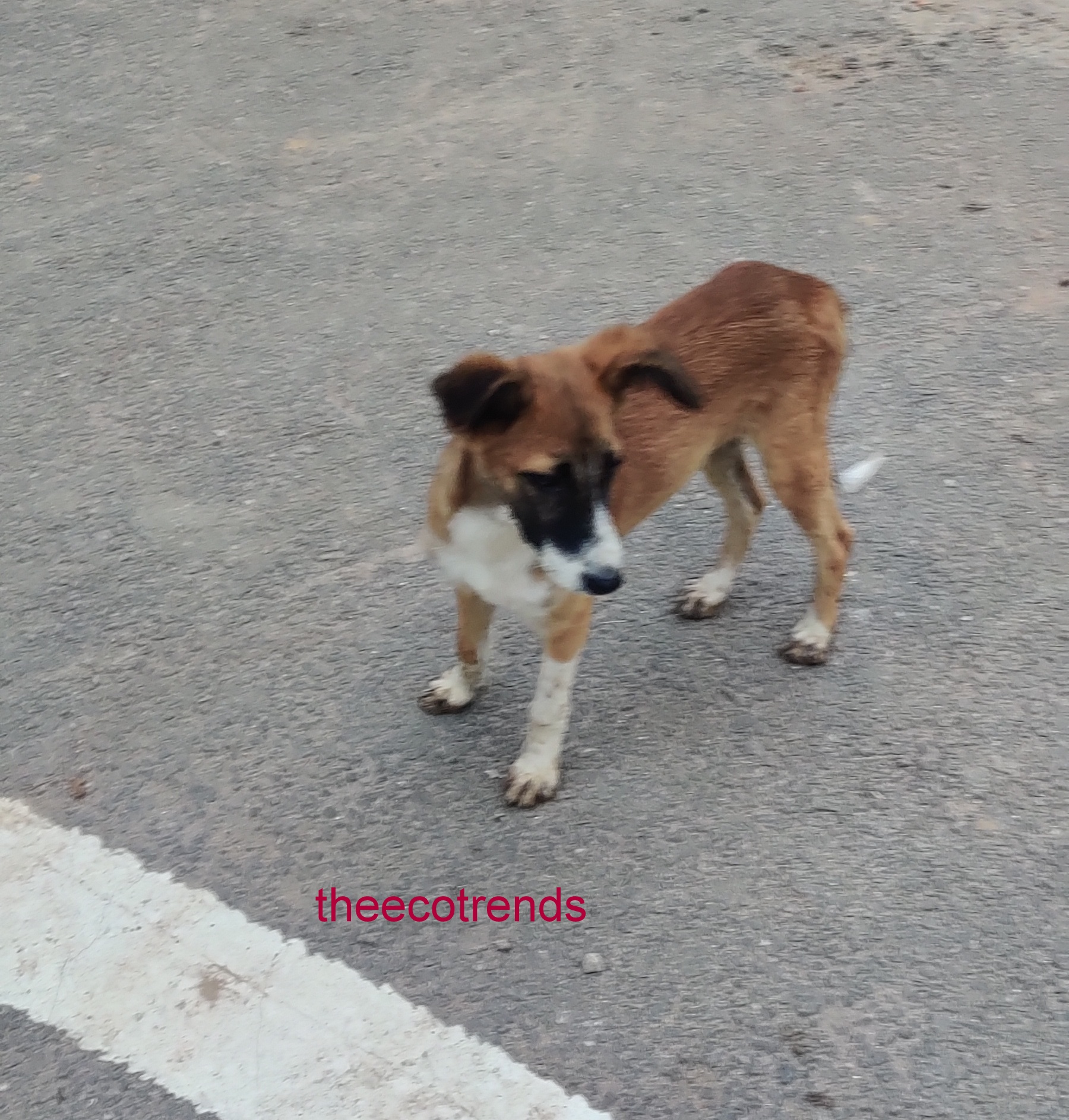
Dogs do their duty and this they remain proud of. Sometimes you may have seen that you are walking on foot to somewhere and a dog too is walking gracefully behind you showing that he is walking behind his owner, though you don’t recognize the dog.
Mixing of different solid, liquid or gaseous substances and microorganisms into water, so as to alter its natural qualities is called as water pollution. According to the National Water Commission (1973), water gets polluted if it has not been of sufficiently high quality to be suitable for the highest uses people wish to make of it at present or in future.
A population is a group of individuals (all members of a single species) who live together in the same habitat and are likely to interbreed. Each population has a unique physical distribution in time and space. It may contain individuals of different ages, and its size (density) is likely to change over time. It grows or shrinks according to the reproductive success of its members.
Many food items in India have some special values. These food items not only provide us many nutrients, they provide us many phytochemicals that protect our bodies from many external factors as well.
Biofertilizers: Definition, Types, Benefits, and Uses in Sustainable Agriculture The fertilizers of biological origin that don’t contain any chemicals detrimental…