Natural Resources and Their Types
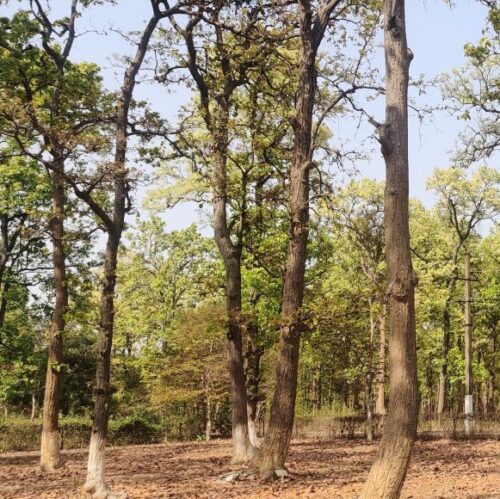
Natural resources constitute both living and non-living resources. Non-living resources are renewable and non-renewable.
Natural resources constitute both living and non-living resources. Non-living resources are renewable and non-renewable.
Energy is the basic force capable of running life. But, the sources of energy are running short.
Nerium oleander is commonly known as Oleander or Nerium. It is a shrub cultivated in sub-tropical and temperate areas as ornamental or landscaping plant. In India it is currently grown along highways and gardens.
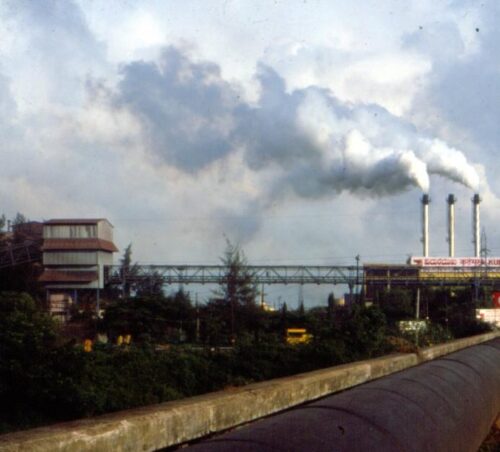
Fossil fuels- coal, petroleum and natural gas, are sources of energy and lots of useful substances. They have been and still they are the back bones of the economic developments and the basis of the modern civilization.
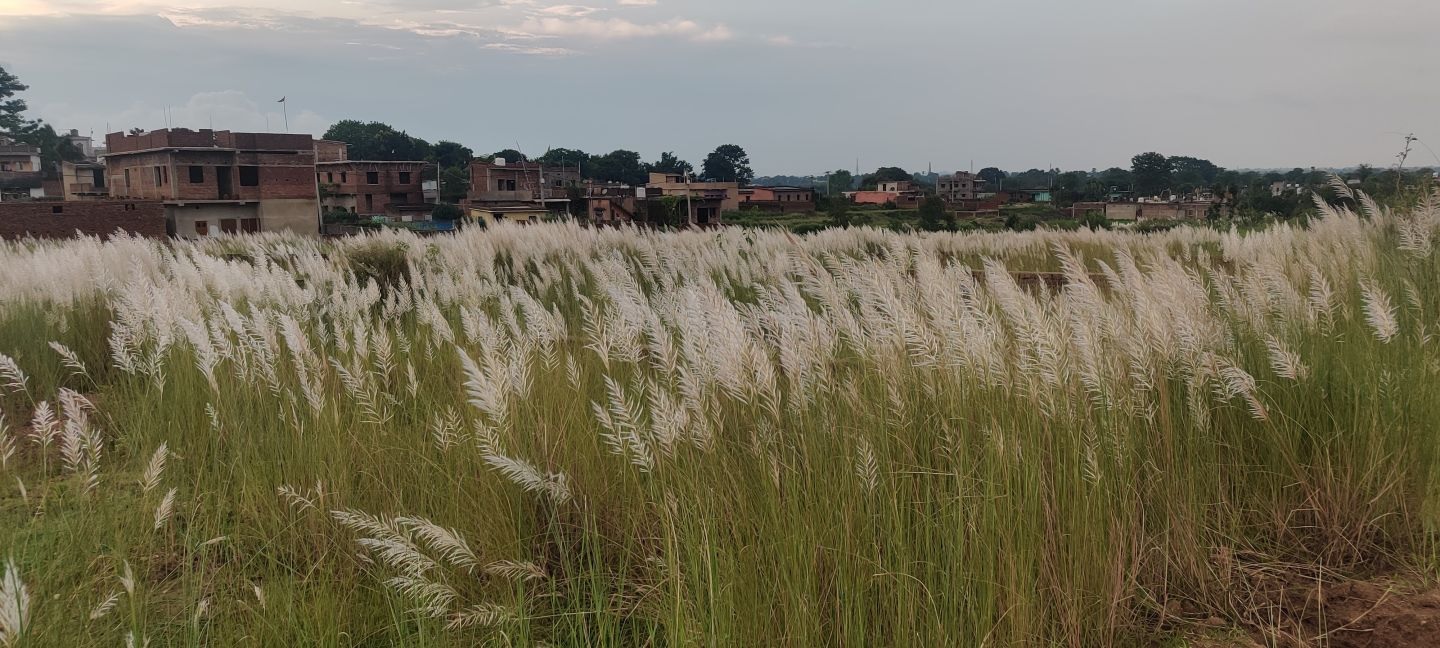
Medicinal weed Argemone Mexicana or Satyanasi is a prickly weed. It has been introduced and naturalized in India. It grows as waste land weed in almost every part of the country. It is reported as crop weed also in many parts of the country.
The technique of carbon fixation has been developed by Dr. Ram Swaroop Meena of Banaras Hindu University, U.P. – India who has potentized his technique entitled “Low cost Biochar with Integrated Nutrient Management”.
We may know that there are two types of disasters: Natural and Manmade or Human Induced Disasters. Disasters that occur…
An activity that serves as one’s regular source of livelihood is called as occupation.
The processes of development through years have spurred on unplanned urbanization, extensive industrialization followed by different types of pollutions, construction of a series of mega dams, and large-scale application of Agro-chemicals. In the process, different parts of the world have started facing ecological crises.
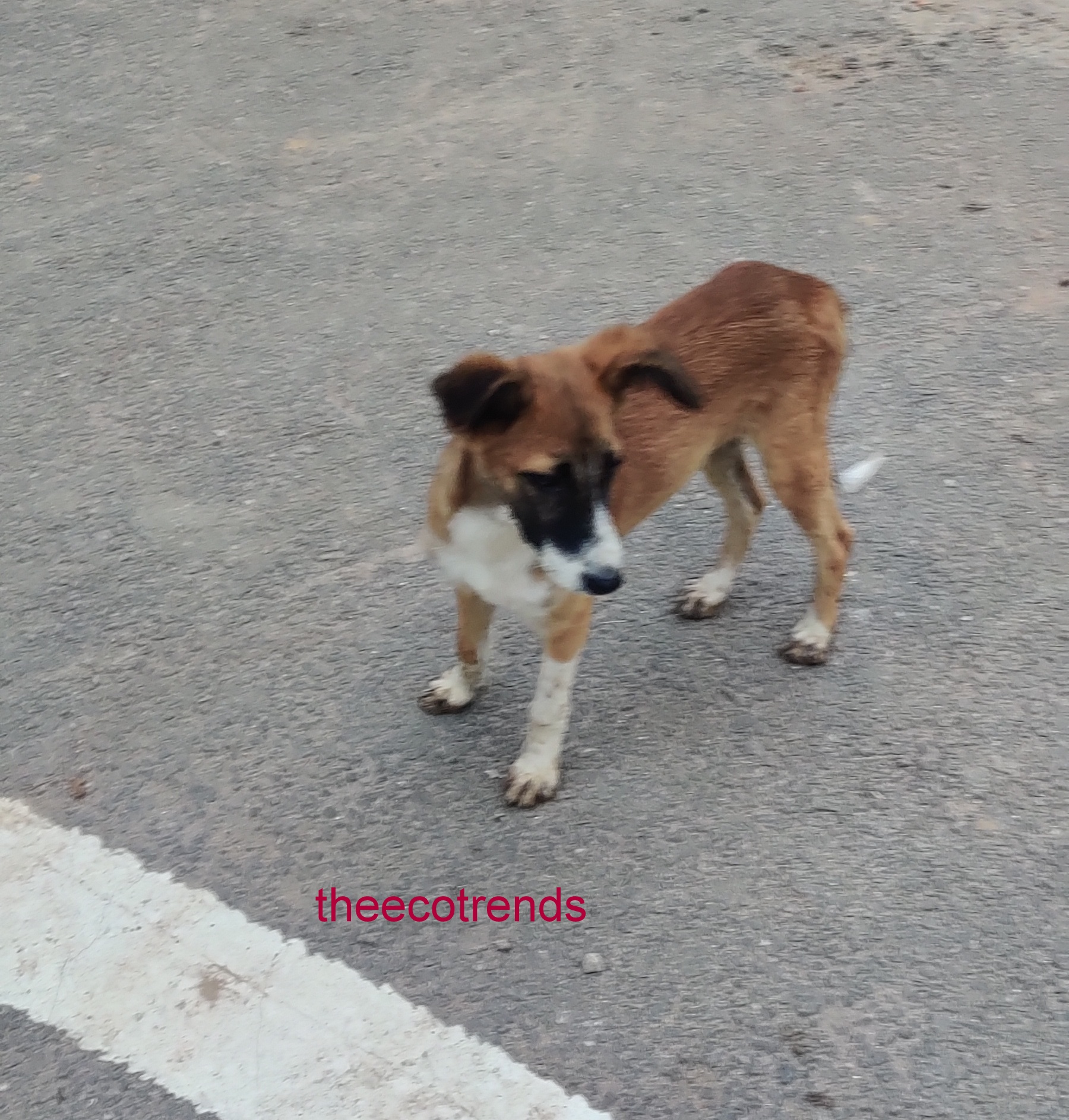
Dogs do their duty and this they remain proud of. Sometimes you may have seen that you are walking on foot to somewhere and a dog too is walking gracefully behind you showing that he is walking behind his owner, though you don’t recognize the dog.
A group of individuals of a particular species occupying a particular area at specific time is called as population. A species is a group of similar type of organisms that can interbreed under natural conditions. The interbreeding organisms of a species produce new organisms and finally result into the growth of population. This is true for all the life forms including human beings.
A Pesticide is a chemical substance of natural or synthetic origin. It is applied in different forms to kill pests. Pests are living organisms that tend to harm humans, their crops and animals or have a tendency to disturb general household and living conditions. Some organisms can also be applied to kill pests. These organisms are called as biopesticides. On the other hand, pesticides that are synthesized in factories are called as synthetic pesticides.