Effect of climate change on development of plant roots
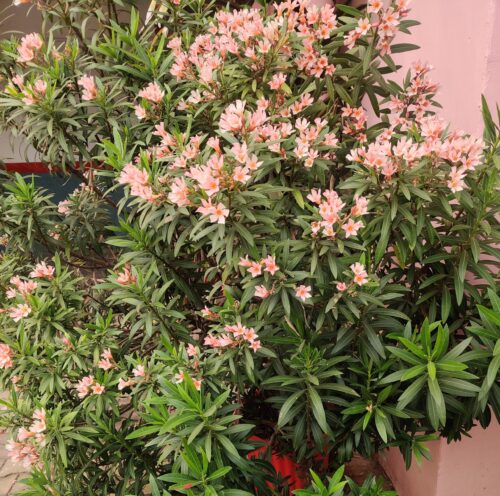
Roots of plants too, respond to the changes in climate.
Roots of plants too, respond to the changes in climate.
Living organisms capable of synthesizing food on their own are called as plants. They contain chlorophyll, the green magnesium compound which helps in trapping the energy from sun. This energy runs the process of photosynthesis through which glucose is basically synthesized in leaves and green stems on combining together the atmospheric carbon dioxide and water.
Human activities have never been friendly to environment. The remains of Mohenjo-Daro and Harappa signify that the civilization ended due to desertification which might had been caused by large scale deforestation. Still today impacts of such human activities have started appearing. Hence it is essential that we manage our natural resources properly.
As environment is common heritage and property of all nations of the world, the science of environment should also combine relevant matter so as to promote the value and necessities of local, national and international co-operation in the prevention and solution of environmental problems across the globe.
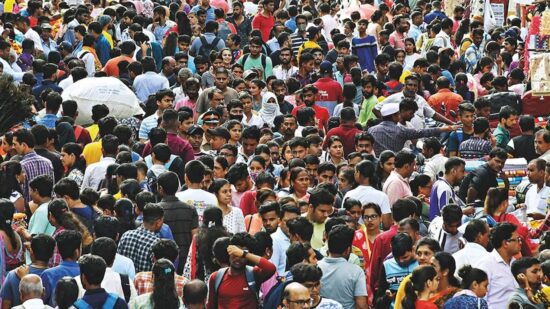
A population is a group of individuals (all members of a single species) who live together in the same habitat and are likely to interbreed. Each population has a unique physical distribution in time and space. It may contain individuals of different ages, and its size (density) is likely to change over time. It grows or shrinks according to the reproductive success of its members.
Proper arrangement of resources and techniques to check losses to crops through different factors is called as Crop Protection Management.
The demand of medicinal plants has increased during the corona-period due to increasing importance of Ayurveda. Everyone is not only aware about “immunity”, companies producing herbal products have started launching different products that increase and strengthen immunity.
Aadya a three years girl lives with her Nani, Nanoo, and Mom in a flat of a big apartment. Her mother is a Senior Secondary teacher and her father is a scientist in IIT, Mumbai.
On the local and regional levels, air pollution creates various types of problems against living and non- living environment. In the living environment it causes different types of physical, physiological and mental diseases.
The bread of maize and vegetable of mustard leaves during winter are popular food items. Their popularity originates basically from the Punjab state of India.
Pulses are full of goodness. Pulses and breads in the breakfast, pulses and rice in the lunch, pulses and vegetables along with bread in the dinner, pulses come in all our foods.
The predominant features that create structural complexity in the environment, such as plants or animals are called as a habitat.
A process, in which natural habitat is rendered functionally unable to support the plants and animals occupying it, is named as Habitat destruction. In the process of habitat destruction, plants and animals that previously used the place are displaced or destroyed, reducing biodiversity.