Types of species
Species can be classified in many different ways. One species classification system may categorise species into Typological, evolutionary, and phylogenetic species.
Species can be classified in many different ways. One species classification system may categorise species into Typological, evolutionary, and phylogenetic species.
Biodiversity and other sources supply raw materials to many important industries. They have aesthetic value and appeal for ecotourism, which supports the growth of the national economy. They are also potential sources of pharmaceuticals, other chemicals, agricultural materials, etc.
Animals can be categorized mainly into two categories- domestic, and wild. However, the domestic animals that live under wild conditions are called Feral Animals.
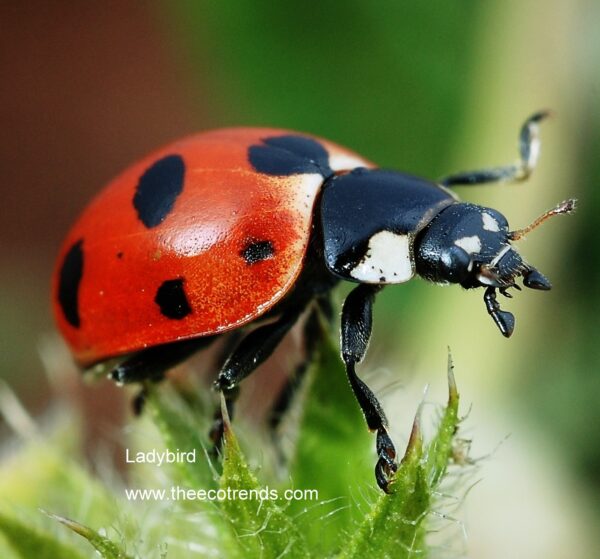
Ladybird is one uncommon compound word made by the union of two simple common words – Lady and Bird. But, the two simple words when joined together can produce strange effect.
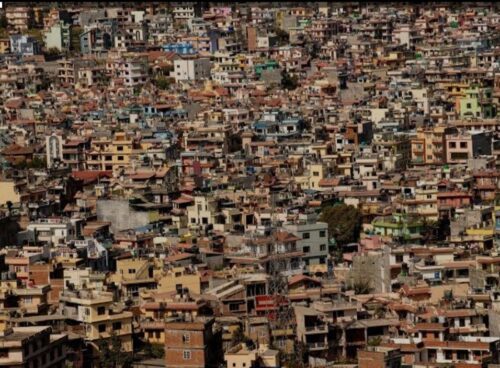
The processes of development through years have spurred on unplanned urbanization, extensive industrialization followed by different types of pollutions, construction of a series of mega dams, and large-scale application of Agro-chemicals.
The Wind is Air in Motion. It is caused by differential heating of land, water, hills and mountain slopes by sun rays. About 25 % (i.e., 0.34 KW/m2) of incident solar radiation is dissipated as wind energy. There is kinetic energy in wind.
A group of individuals of a particular species occupying a particular area at specific time is called as population. A species is a group of similar type of organisms that can interbreed under natural conditions. The interbreeding organisms of a species produce new organisms and finally result into the growth of population. This is true for all the life forms including human beings.
Growing a single crop species over a large area or farm is called intensive farming or monoculture. Earlier practices of mixed cropping caused problems in crop management, like harvesting, etc. Uniformity in plant height adds beauty to our fields and makes the application of agrochemicals easy. It also saves time and energy in segregating grains in threshing.
Medicinal weed Argemone Mexicana or Satyanasi is a prickly weed. It has been introduced and naturalized in India. It grows as waste land weed in almost every part of the country. It is reported as crop weed also in many parts of the country.