
Land Management and Need of Land Management
Land management is the process of managing the use and development of land resources in rural and urban areas.
Land management is the process of managing the use and development of land resources in rural and urban areas.
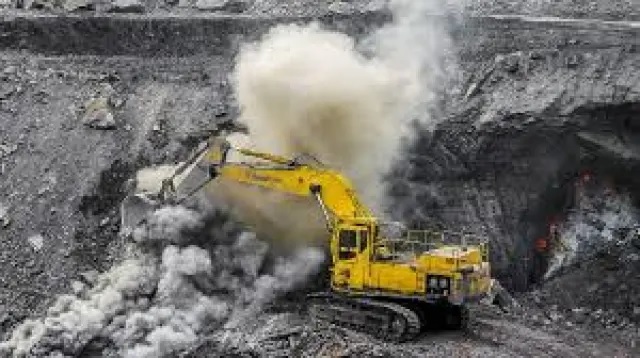
New Technologies are developed for improving and increasing industrial production. Similarly, new projects are formulated for providing energy to those…
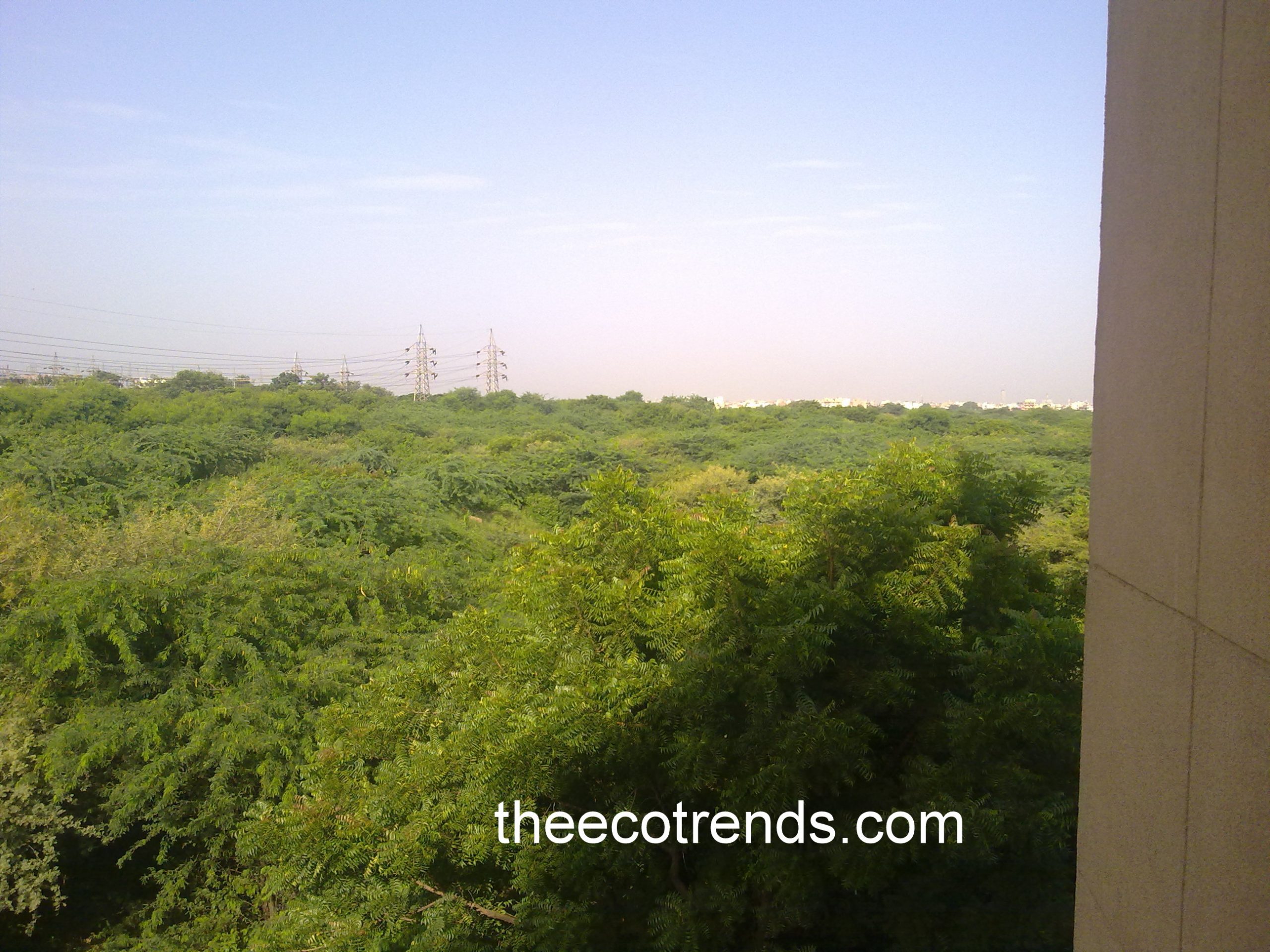
Vast variability exists in the distribution or occurrence of different life forms in different habitats. The variability of life forms in a particular habitat is considered as the biodiversity of that habitat.
Green plants and trees that synthesize their own food are called as Autotrophs.Others who depend on them are called as Heterotrophs.
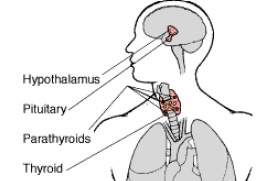
This is a pea sized major endocrine gland. It is protected by a boney cavity called Sella turcica of the sphenoid bone. It is a protrusion of bottom of Hypothalamus at the base of the brain. This gland is also called as Hypothesis.
The processes of development through years have spurred on unplanned urbanization, extensive industrialization followed by different types of pollutions, construction of a series of mega dams, and large-scale application of Agro-chemicals. In the process, different parts of the world have started facing ecological crises.
The dictionary meaning of a shelter is – something beneath, behind, or within which a person, animal or anything is protected from adverse conditions, and where it can reproduce is called as a shelter.
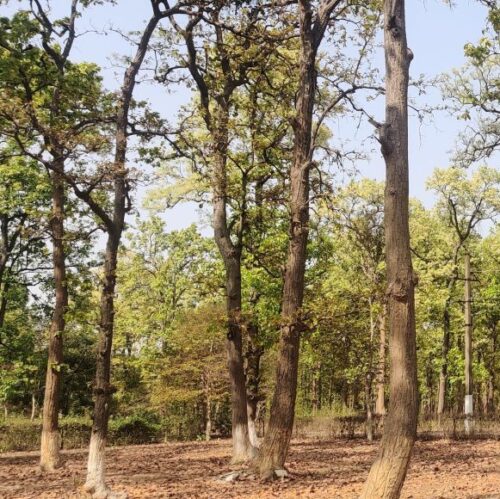
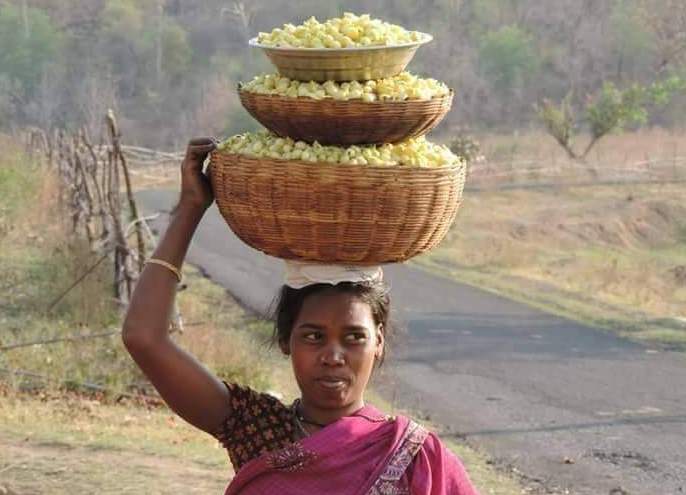
Mahaua or the Madhuca longifolia is indigenous to India. It is a good sized tree and it grows up to 20 meters in height.
Anthills show the quality of soil.
A substance, factor, change, living being or a system that quantifies and simplifies phenomena and helps in understanding complex realities, is called as indicator.
It tells us something about changes in a system. There are many types of indicators some of which are- Financial Indicators, Poverty Indicators, Health Indicators, Environmental Indicators, and Indicators of Sustainable Development.
Ever since the earth was inhabited, humans and other life forms have depended on things that exist freely in nature…
Different activities may generate waste which may be solid or liquid. The quality of both solid and liquid wastes is increasing and if the wastes are disposed in an uncontrolled manner these may cause adverse impact on public health and environment. Hence these wastes need to be managed efficiently so as to safeguard public health and environment.
Species become endangered due to both natural and anthropogenic causes. Since man has no control over natural causes, we should consider anthropogenic causes only. Anthropological causes may be classified into two fundamental categories: Direct Causes and Indirect or underlying causes.