Dr. MP Mishra

Dr. MP Mishra

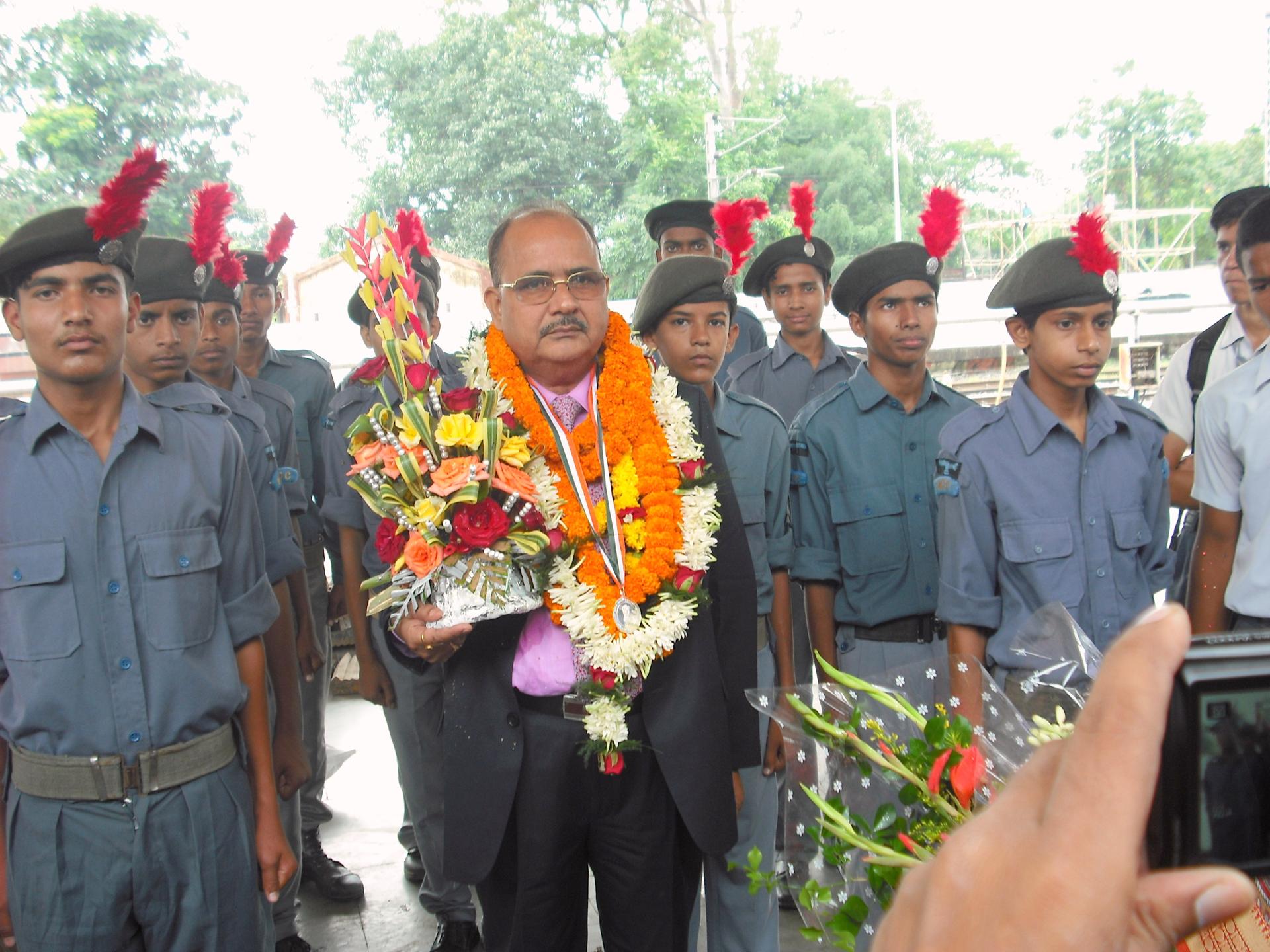
Dr. M. P. Mishra is a noted environmentalist of India. He is known for his researches in environment conservation, wildlife activism, and for his writings. He has been internationally known for his Bird Housing Project which was devoted to protection and conservation of terrestrial bird species especially in Jharkhand. He has a deep study of the people of Jharkhand, their rituals, arts and crafts and has wandered extensively to study their conditions, their agriculture, their modes of lives, and their skills. Since last many years he has been continuously writing about various environmental and social issues of Jharkhand and has forty six books to his credit. His articles are regularly published in local and national dailies of India. His books on Environmental Awareness, Environmental Science, Environmental Studies, General Science, and biology are widely read and many of his books have been adopted in the schools of foreign countries. His books on Environmental Science have been adopted by the Council of Higher Secondary Education, Orissa, and the Council of Higher Secondary Education Nagaland and Meghalaya.

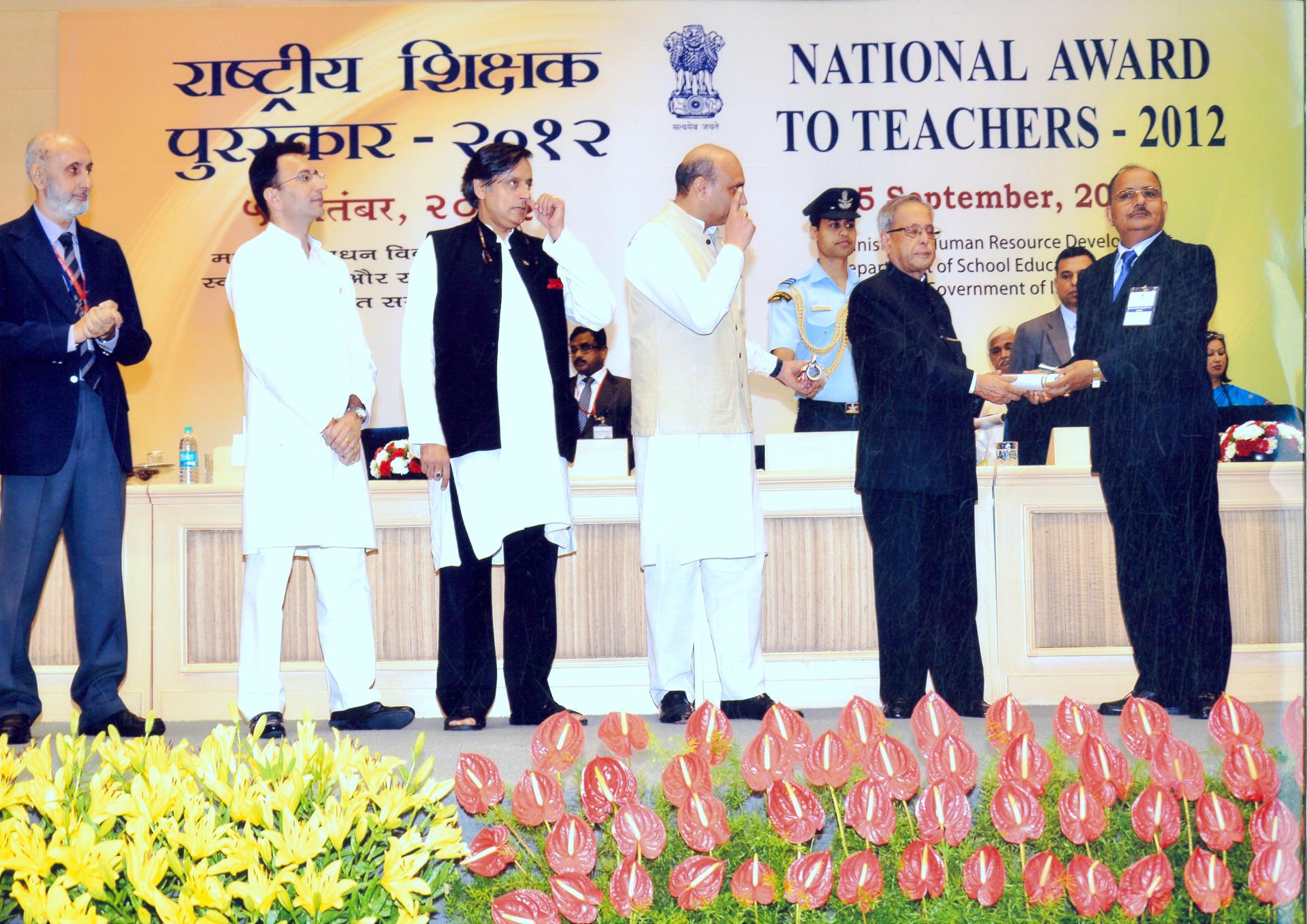
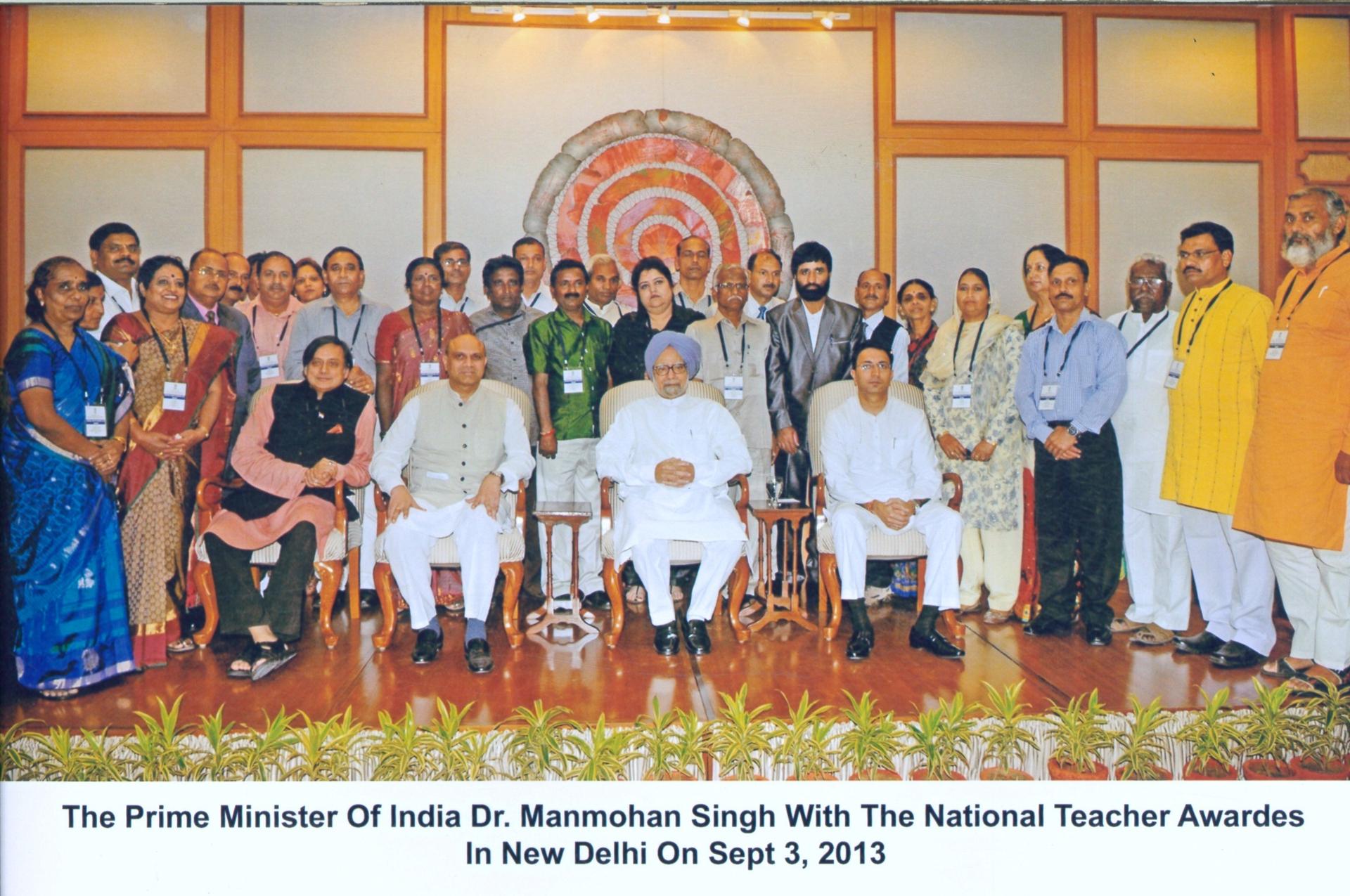
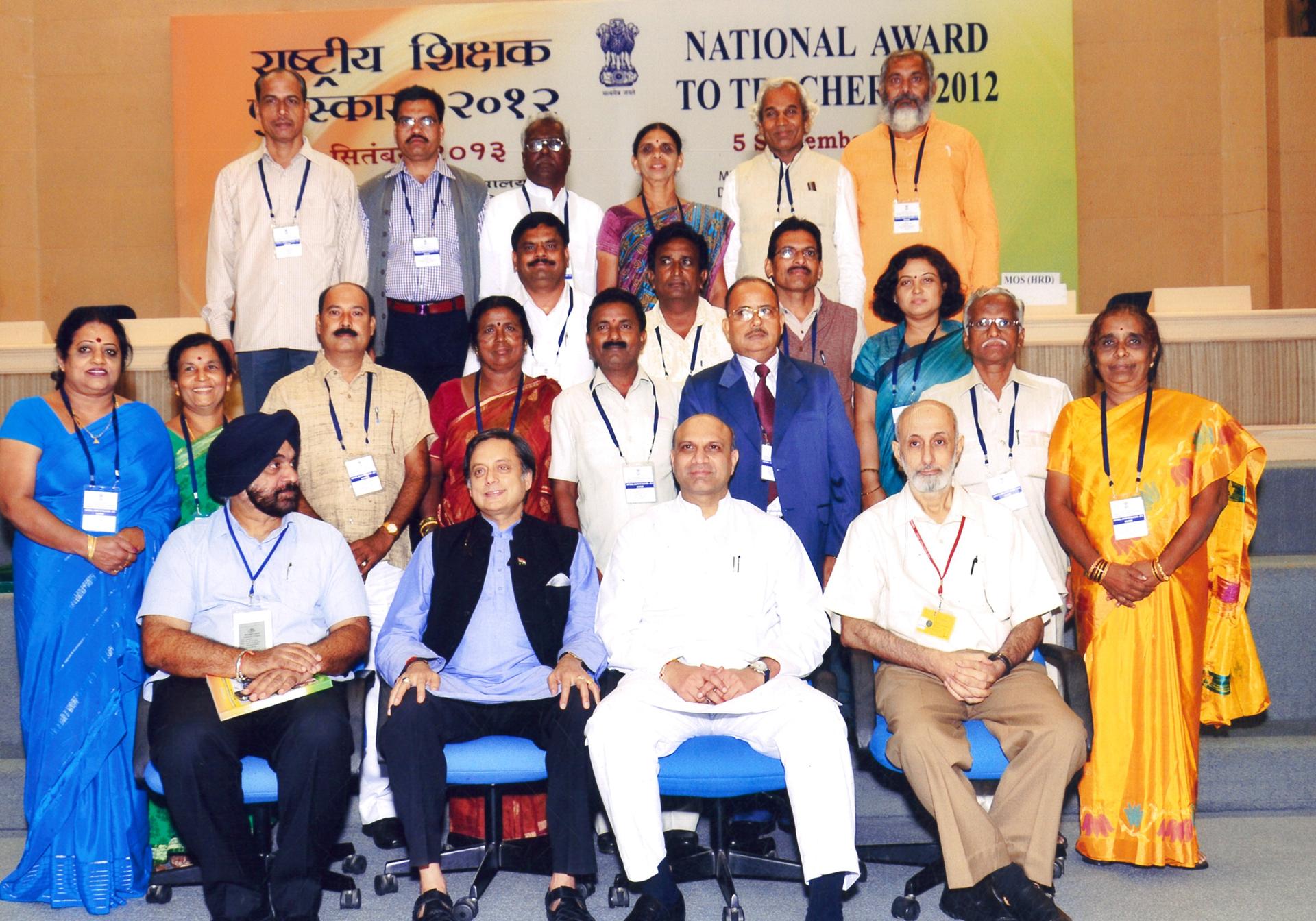
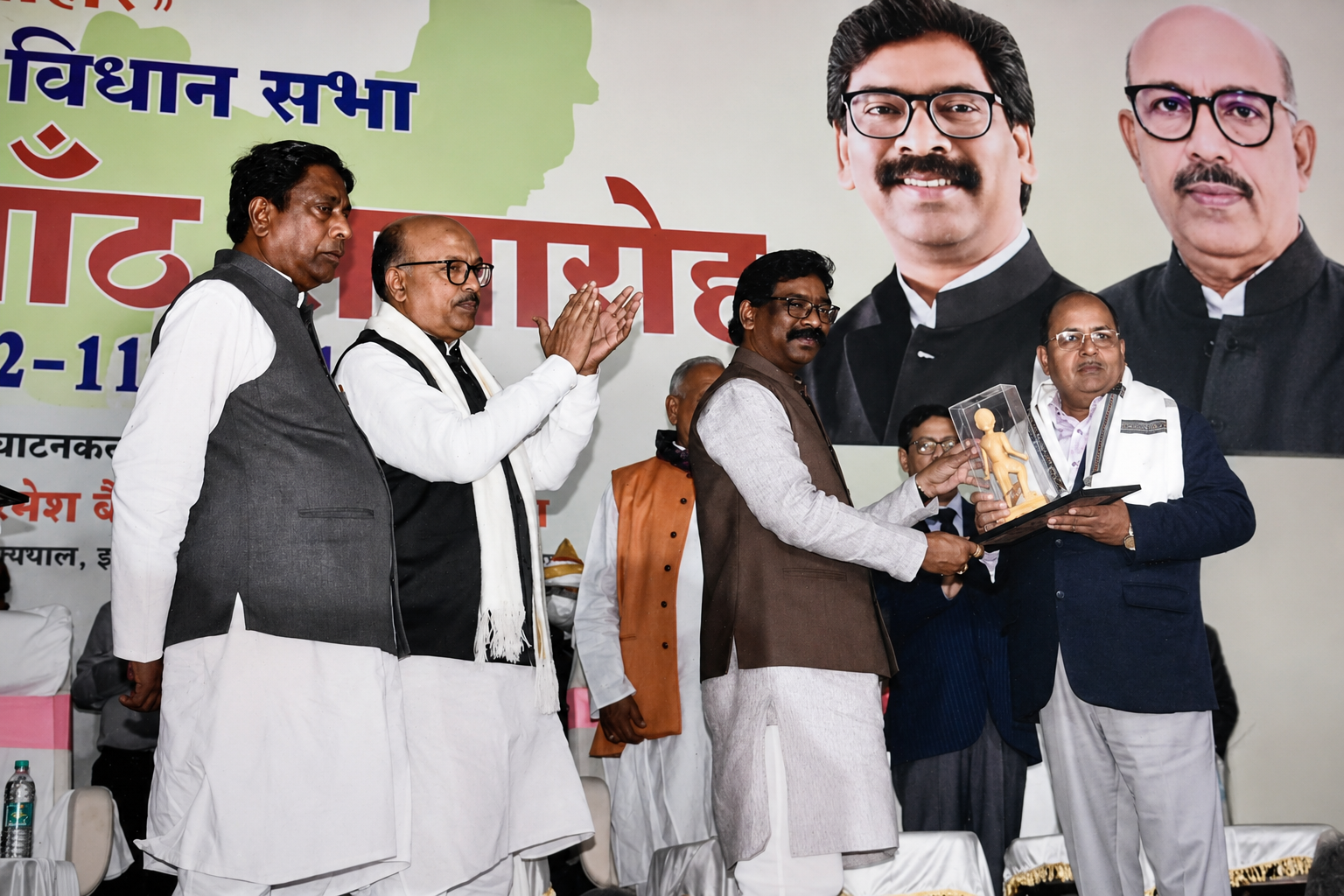
Dr. Mishra is an excellent teacher with innovative ideas and new teaching methodologies. It was due to his commendable services to education that the Department of Human Resources Development, State Government of Jharkhand offered him State Award in the year 2009-010.Dr. Mishra has been awarded with the Presidential Medal and the National Award for the year 2012 for his outstanding Researches in and great contributions to Science and Environment. He has been an active Science Communicator and coordinator of National Council of Science and Technology Communication, Ministry of Science and Technology, Government of India. He is a member of the Environmental Monitoring Committee under the Jharkhand Academic Council, Jharkhand, Ranchi. It was due to his voluntary services in the field of environment that he has been selected as a nominee of the Committee for Ethical Treatment to Animals, Ministry of Environment and Forest, Government of India. He has been the Chief Editor of ECOSOC the Environmental Newsletter of International Circulation for more than ten years. He has been the President of the People for Animals for about ten years. As a teacher he is always admired by his students and the academic community across the globe.

July 12, 2020

Rains in Nepal caused floods in Bihar

Rains in Nepal have always been responsible for floods in Bihar. Most of the rivers flowing through Bihar have their origins in Nepal. Since last three days Nepal is experiencing continuous rainfall. This is why villages in Bihar are being seriously flooded. What can be done?

Read Article
January 29, 2021 Recommended

Animal Husbandry and Milch Cattle

We rear and take care of animals to take their support in food production. Their systematic and proper rearing and also the arrangement for their proper reproduction and management are called as Animal Husbandry.

Read Article
January 3, 2025 Recommended

Adoption of Zero Deforestation Policies by corporations and markets

It is said that corporations can destroy the world’s intact forests. They have also the Power to help save them. They can make an impact by introducing zero- deforestation policies. These policies require suppliers to produce commodities such as timber, beef, palm oil, and fibres for paper in such a way that has a minimal impact on natural forests and climate. These can also introduce paper procurement policies that set ambitious targets to maximise the use of post-consumer recycled wood, pulp, paper and fibre in their products and ensure that any virgin fibre used is certified by a rigorous third-party certification system.

Read Article
September 30, 2024 Recommended

Positive and Negative Interdependence among Organisms in Ecosystems

Interdependence between two species through which individuals of either one or both species benefit is called positive interdependence. The benefits to the individual of any species through this relationship may be continuous or transitory, obligate or facultative. Both partners in this type of relationship may be in close contact; one may be inside some specific area or attached to the surface of the other’s body. Positive interdependence is divided into three major types: mutualism, Commensalism, and proto-cooperation.

Read Article
December 17, 2022 Recommended

Interactions between members of a species

Living beings interact among themselves in the same species, with the members of the other species, and with the components of the abiotic environment in an ecosystem. Interaction between the members of the same species is called as Intraspecific whereas the interaction among individuals of different species is called as Interspecific.

Read Article
August 26, 2021 Recommended

Restrictions on Play for girls

In early society, girls were restricted from play. They were restricted inside homes. This was something to do with our social conditions and traditions. But, girls are being given more rights today than they had earlier.

Read Article
January 22, 2021 Recommended

Animals and Their Amazing World -III

The term animal has its origin from the Latin word animalis which means one who has breath. This word is usually applied for the non-human members of the Kingdom Animalia in animal taxonomy.

Read Article
Gallery Picture
Gallery Picture
Gallery Picture
Gallery Picture
Gallery Picture
Gallery Picture
Gallery Picture
Gallery Picture
Gallery Picture
Gallery Picture
Gallery Picture
Gallery Picture
Gallery Picture
Gallery Picture
Gallery Picture
Gallery Picture
Gallery Picture
Gallery Picture
Gallery Picture
Gallery Picture
Gallery Picture