Search Results for: animal

International Initiatives for Environment

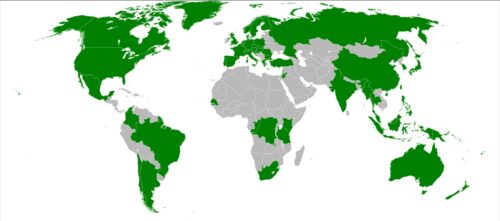
A number of non-governmental organisations (NGOs) or non-governmental agencies have been playing their important roles in spreading Environmental Awareness across the globe and in developing policies for the protection of environment and sustainable development.
Read Article

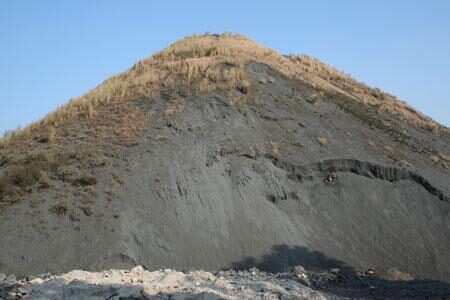
Soil Pollution: Causes and Consequences

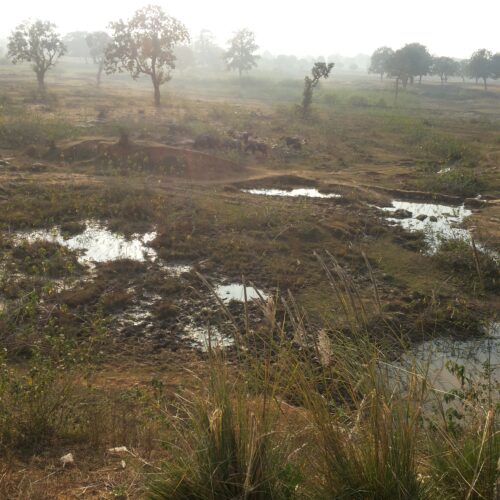
Mixing of different types of substances in soil- which affects its natural qualities, and reduces its fertility- is called as soil pollution. Some environmentalists define soil pollution as – build-up of toxic chemical compounds, salts, pathogens or radioactive materials in soil that can affect plant and animal life adversely, is called as soil pollution.

Read Article

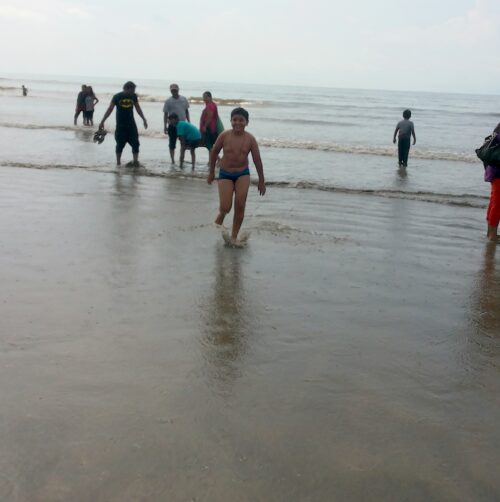
Marine Pollution and Oil Spills

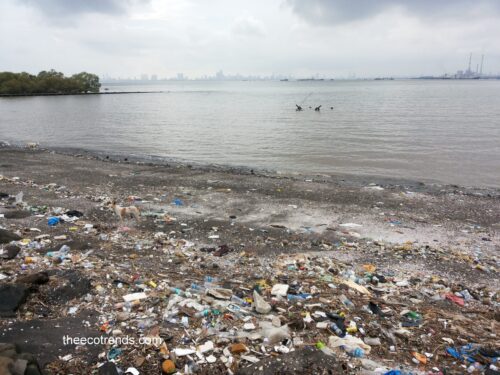
It is due to frequent oil spills that sea otters, many sea birds, whales and many other species of the marine environment have become endangered. The oil spill damages fisheries and Mari culture, and causes serious economic losses to the local public and the governments.

Read Article

Water Pollution- Sources and Control

Mixing of different solid, liquid or gaseous substances and microorganisms into water, so as to alter its natural qualities is called as water pollution. According to the National Water Commission (1973), water gets polluted if it has not been of sufficiently high quality to be suitable for the highest uses people wish to make of it at present or in future.

Read Article

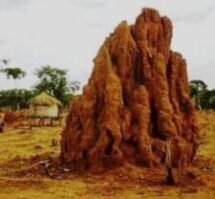
Ant Colony and Bee Colony

Ant colonies are Eusocial which means living in a cooperative group in which usually one female and several males are reproductively active and the non-breeding individuals care for the young and protect the group. These are very much like those found in other social animals   though the various groups of these developed sociality independently through convergent evolution.

Read Article

Local and Global Effects of Pollution

On the local and regional levels, air pollution creates various types of problems against living and non- living environment. In the living environment it causes different types of physical, physiological and mental diseases.

Read Article

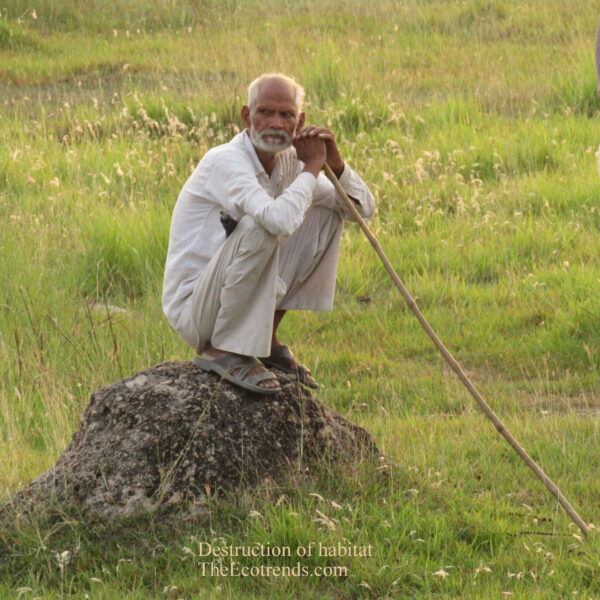
Habitat Destruction

Nearly half of the planet’s plant and animal species live in Rainforests. Less than 2.5 billion acres of Tropical Forest have remained out of four billion acres on the Earth within a few hundred years.

Read Article

Need for Living Together and Neighbourhood

Human beings needed to live together to have a family and to rear and develop children. They lived together for social security and social strength. Thus, human settlements were formed.
Neighbourhood is a geographically localized community within an area, may it be a rural area, a town or a city, or sub-urban.

Read Article