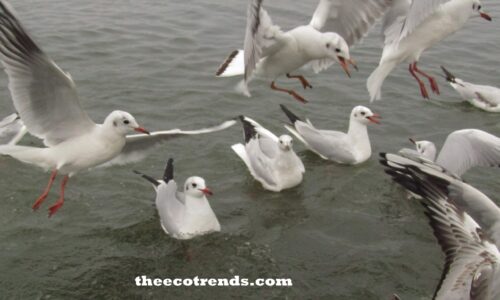

Adapting to the environment
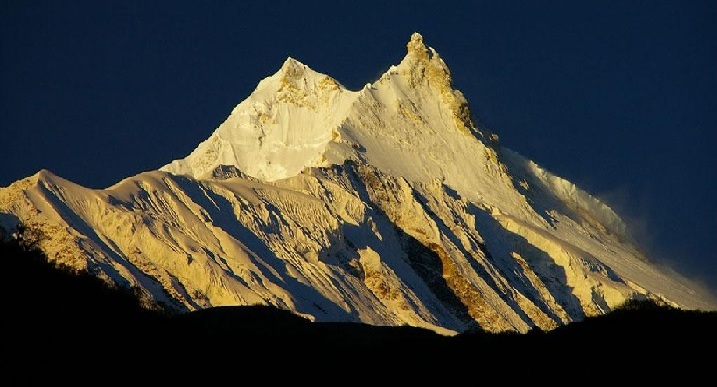
Abrupt changes in environment often do not give time to an organism to get ready and to face the challenges. As such the organism can survive only when it has sufficient abilities to tolerate these changes.
Abrupt changes in environment often do not give time to an organism to get ready and to face the challenges. As such the organism can survive only when it has sufficient abilities to tolerate these changes.
Abrupt changes in environment often do not give time to an organism to get ready and to face the challenges. As such the organism can survive only when it has sufficient abilities to tolerate these changes.
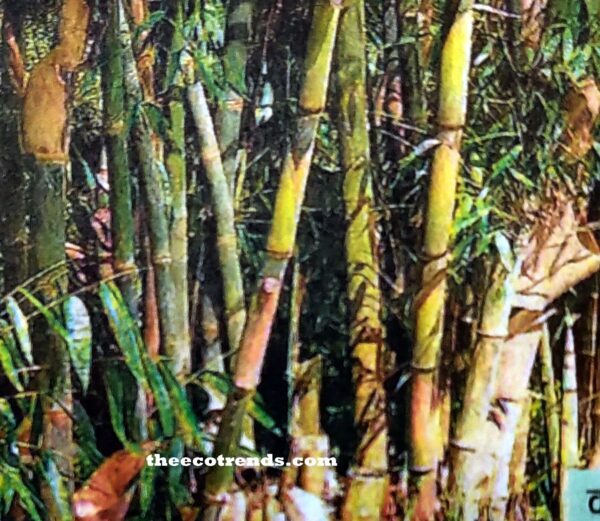
Bamboo can be said as the Green Gold to Indian Farmers as it provides vast varieties of benefits to them.
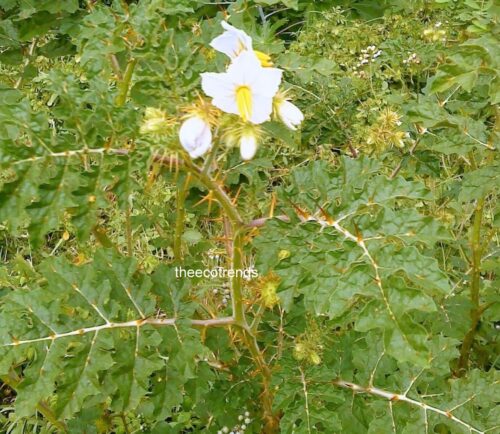
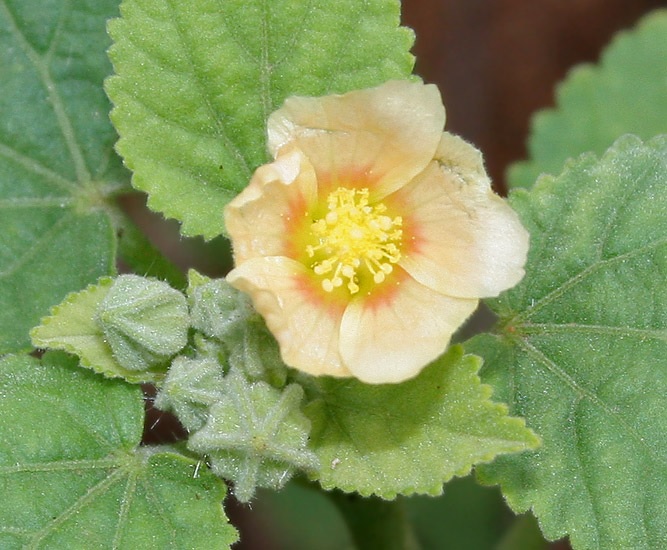
Sida is a shrubby plant which belongs to Malvaceae, a family of flowering plants. It grows in the wild in different types of habitats like overgrazed lands, roadsides; along the sides of walls of old buildings etc.
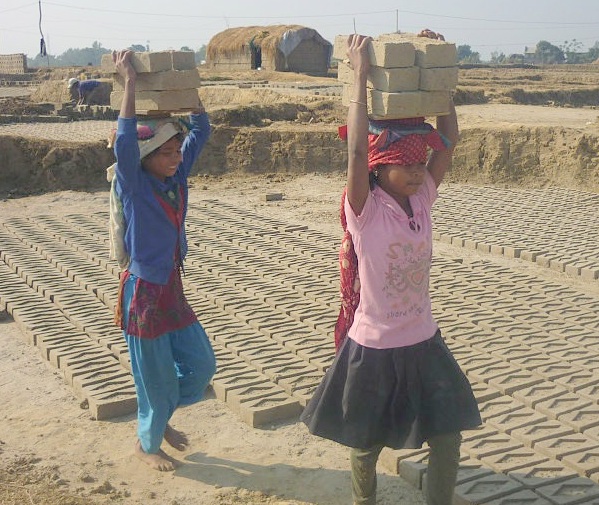
Children as they grow, start getting involved in the day to day activities of the family to support their parents. These children go to schools and work in the family in leisure periods. Their household activities are neither harmful nor exploitative.
Conservation of the environment implies the sustainable use and management of natural resources, including wildlife, water, air, and soils.
A population is a group of individuals of a particular species occupying a particular area at a specific time.
Fighting against the Climate Change which has become the biggest problem of environment is a big challenge of today.
Discoveries and inventions have made human lives easy and comfortable. Men have stopped walking long distances. But his does not relate to flying of birds. They continue flying and flying for ages very high and up to amazingly long distances.
The technique of carbon fixation has been developed by Dr. Ram Swaroop Meena of Banaras Hindu University, U.P. – India who has potentized his technique entitled “Low cost Biochar with Integrated Nutrient Management”.