
Sustainable Agriculture as Meant in the Indian Agricultural Policy
According to the Policy Document of Indian Agriculture Policy, Agriculture in India is a way of life, a tradition, which,…
According to the Policy Document of Indian Agriculture Policy, Agriculture in India is a way of life, a tradition, which,…
Waste too is found in three states- solids, liquids and gases. Liquid wastes such as different types of chemicals, useless medicines, detergents, pesticides, oil, automobile wastes etc. spread on the soil surface and make it poisoned. Decomposition and burning of things on ground produce different gases that pollute the air.
The gap between the rich and the poor has increased due to population growth. The rich people are exploiting more resources than poor people. Malnutrition is one of the most common effects of these problems. The poorest people in developing countries do not get adequate calories to develop their health properly.
According to their physical make up, there are basically two types of animals- Vertebrates and invertebrates. Invertebrates are those animals that don’t have a vertebral column or backbone. On the other hand, Vertebrates are those animals who have a vertebral column or the back bone.
Most animals of the same kind have same body parts. But their body parts differ in size, shape, colour and functions.
Animals could be mainly divided into wild and domestic.
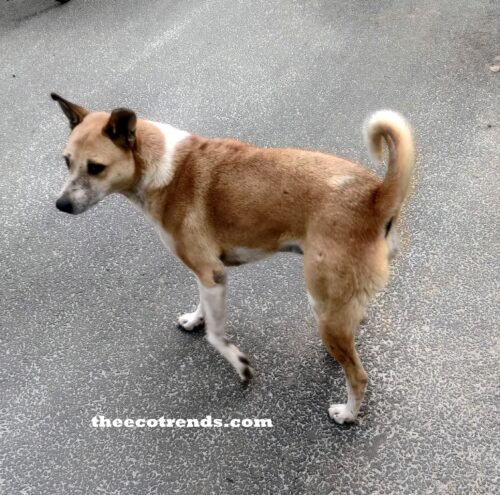
However, the domestic animals that live under wild conditions are called Feral Animals. It is not very difficult to understand a domestic animal from a wild animal, by looking at them, as there are many differences exhibited between them.
Energy is essential for working and survival of all the organisms on this planet. In fact, it is the energy which enables organisms to perform their biological functions.
Sometimes it so happens that serious and abrupt changes in weather condition ruin the entire crop. Thus, the hard work of the whole season goes in vain. What about the debt which he has to pay? On the other hand, market prices of his agriculture production often remain too less to support the economy of the farmer. These are the conditions under which a number of farmers in different states of India have been reported committed suicides.
Earlier women had to do most of the work in household. But, the trend is changing now. Both men and women have to do all the work now. The Inequality at the work place is vanishing now.
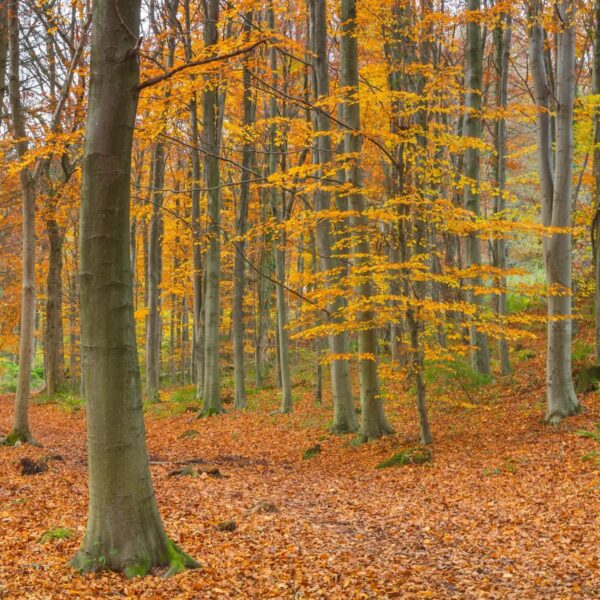
Plants and trees shed their leaves from time to time. This happens due to a number of reasons. From some plants and tree leaves continue falling throughout the year. At the same time new leaves continue developing to compensate their number.
Abrupt changes in environment often do not give time to an organism to get ready and to face the challenges. As such the organism can survive only when it has sufficient abilities to tolerate these changes.
An incident of invasion by a living species into entirely new habitat thereby threatening the existence of native species is called as bioinvasion or Biological Invasion.