Management and Protection of Crops
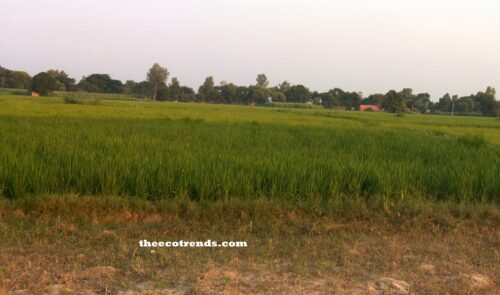
Proper arrangement of resources and techniques to check losses to crops through different factors is called as Crop Protection Management.
Proper arrangement of resources and techniques to check losses to crops through different factors is called as Crop Protection Management.
Waste too is found in three states- solids, liquids and gases. Liquid wastes such as different types of chemicals, useless medicines, detergents, pesticides, oil, automobile wastes etc. spread on the soil surface and make it poisoned. Decomposition and burning of things on ground produce different gases that pollute the air.
The Social Dimensions of environment incorporate – Demographic Pattern, Life styles of people, Human Health and Habitat, and Social Interactions…
Earlier women had to do most of the work in household. But, the trend is changing now. Both men and women have to do all the work now. The Inequality at the work place is vanishing now.
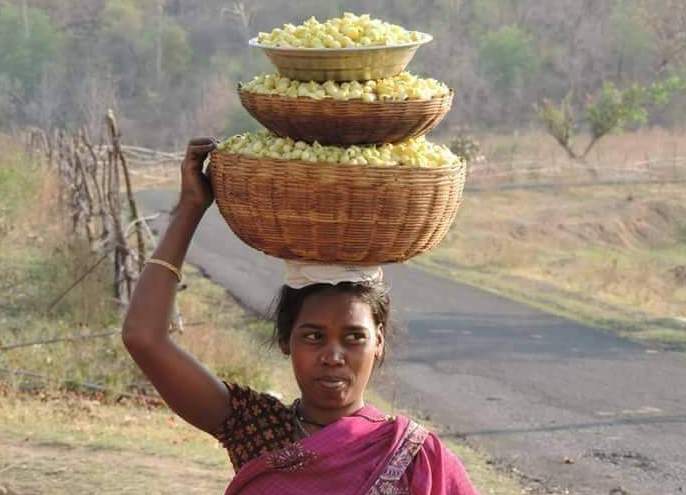
Mahaua or the Madhuca longifolia is indigenous to India. It is a good sized tree and it grows up to 20 meters in height.
Sometimes it so happens that serious and abrupt changes in weather condition ruin the entire crop. Thus, the hard work of the whole season goes in vain. What about the debt which he has to pay? On the other hand, market prices of his agriculture production often remain too less to support the economy of the farmer. These are the conditions under which a number of farmers in different states of India have been reported committed suicides.
The predominant features that create structural complexity in the environment, such as plants or animals are called as a habitat.
A process, in which natural habitat is rendered functionally unable to support the plants and animals occupying it, is named as Habitat destruction. In the process of habitat destruction, plants and animals that previously used the place are displaced or destroyed, reducing biodiversity.
Ocean is a vast natural resource of water. These have also been examined in the search for alternate sources of energy-generation. For example, gravitational pull, by sun and moon causes tides, in which sea level rises and falls, two times in 24 hours. When it rises, sea water may be diverted through suitable channels, to inshore reservoirs driving the turbines, during its entry.
Environment may be defined as ‘Complete range of various sets of external conditions comprising- physical, biological, and for human beings- cultural, economic and political conditions; in which human beings and other life forms exist in continuous interactions among themselves.
About 1000J radiant energy comes to the earth from the sun. Out of this, only 10% of the total energy is used up by green plants in the process of Photosynthesis. Remaining 990J of energy escapes away into the atmosphere. 10J of energy is stored in the form of chemical energy in starch and sugars.
Holi is an ancient Hindu festival which is also called as the Festival of Colours, love and spring.