Merits of Pulses and Contributions of BAU, Ranchi
Pulses are full of goodness. Pulses and breads in the breakfast, pulses and rice in the lunch, pulses and vegetables along with bread in the dinner, pulses come in all our foods.
Pulses are full of goodness. Pulses and breads in the breakfast, pulses and rice in the lunch, pulses and vegetables along with bread in the dinner, pulses come in all our foods.
According to their physical make up, there are basically two types of animals- Vertebrates and invertebrates. Invertebrates are those animals that don’t have a vertebral column or backbone. On the other hand, Vertebrates are those animals who have a vertebral column or the back bone.
The whole world is worried due to the new variant of corona Omicron. The era of lockdowns has again started because Omicron is seen as more deadly variant. WHO has declared that it disseminates faster and is more dangerous. Everyone has been warned to strengthen securities.
Soil is the loose material that covers the land surface of the earth, supports the growth of plants and acts as a habitat for numerous organisms.
The unit of biosphere having all the components producers, consumers and decomposers and the abiotic components together with physical factors in dynamic relationships is called as ecosystem.
Urban areas are usually densely populated locations. People migrating from villages towards cities further increase the population burden of cities. Thus urban areas are suffering from serious congestion and traffic problems. Here is a case of Ranchi.
Following principles and guidelines have been accepted for the control of different types of pollution- A. Prevention of entry into…
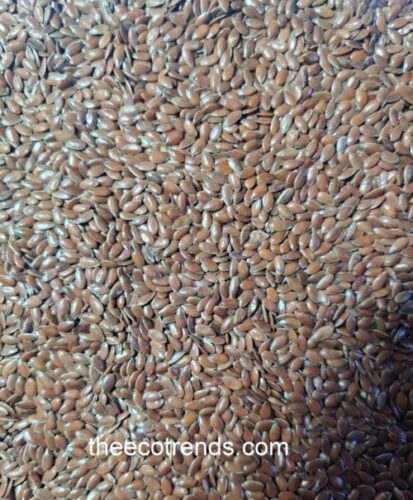
In irrigated conditions 80 kg of Nitrogenous fertilizers, 30 kg of Phosphorus, 20 kg of Potassium and 20 kg of Sulphur fertilizers are recommended in one hectare of land for the linseed cultivation.
According to the Policy Document of Indian Agriculture Policy, Agriculture in India is a way of life, a tradition, which,…
The processes of development through years have spurred on unplanned urbanization, extensive industrialization followed by different types of pollutions, construction of a series of mega dams, and large-scale application of Agro-chemicals. In the process, different parts of the world have started facing ecological crises.
The conservation of the environment implies the sustainable use and management of natural resources, including wildlife, water, air, and earth soils.
It usually focuses on human needs and interests, which include the biological, economic, cultural, and recreational values of the natural environment.
The Conservation Status of Biodiversity is usually known through the comprehensive Inventory prepared periodically by the IUCN, the International Union for the Conservation of Nature and Natural Resources. This comprehensive Inventory of the Conservation Status of Species is popularly known as the Red List or the Red Data List.