
Breathing In and Breathing Out …
The bio-mechanical process of exchange of gases between an individual and his atmosphere is called as breathing.
The bio-mechanical process of exchange of gases between an individual and his atmosphere is called as breathing.
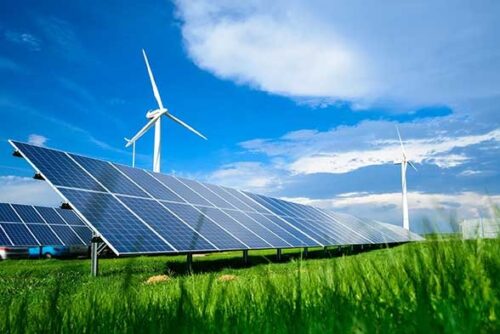
Anything from which we can derive energy is called as a source of energy. Since all the life processes need energy, energy is most important for our survival. Our body derives energy from the food we eat. Thus, the food we eat is the source of energy for our body. But this is not the whole story. We need energy for our growth and economic development as well.
According to their physical make up, there are basically two types of animals- Vertebrates and invertebrates. Invertebrates are those animals that don’t have a vertebral column or backbone. On the other hand, Vertebrates are those animals who have a vertebral column or the back bone.
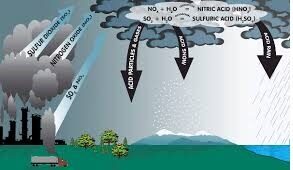
The acid rain affects living and non- living components of environment. In July 1982, Stockholm- the venue of U N –conference on acid rain, suffered heavy acid showers for about a week. In India too, acid rains have been reported since last twenty years in areas where thermal power plants are located and also around Delhi, the capital of India.
Onion is a bulb. It is a vegetable which is most widely cultivated species. Its genus is Allium. This genus…
Medicinal weed Argemone Mexicana or Satyanasi is a prickly weed. It has been introduced and naturalized in India. It grows as waste land weed in almost every part of the country. It is reported as crop weed also in many parts of the country.
The unit of biosphere having all the components producers, consumers and decomposers and the abiotic components together with physical factors in dynamic relationships is called as ecosystem.
It is now a general opinion that if we see something moving, it is alive.
Conservation of species in their natural habitats- in areas where they occur under normal conditions is called in-situ conservation.
This type of conservation strategy protects the entire area. Such an area is protected and maintained to conserve all the known or unknown species inhabiting it.
In this type of conservation, species are not isolated or provided with health care, food, or mating facilities. Only factors detrimental to species’ existence and development are eliminated in this conservation strategy. Human interference, such as hunting, cutting down trees, collecting firewood, etc., is completely banned in such areas.
An act was passed on December 18 in the year 2006 in order to safeguard the forest rights of traditional forest dwellers in India. This act is called as the Scheduled Tribe and Other Traditional Forest Dwellers (Recognition of Forest Rights) Act, 2006.