… Waiting for the last Gulmohar Tree
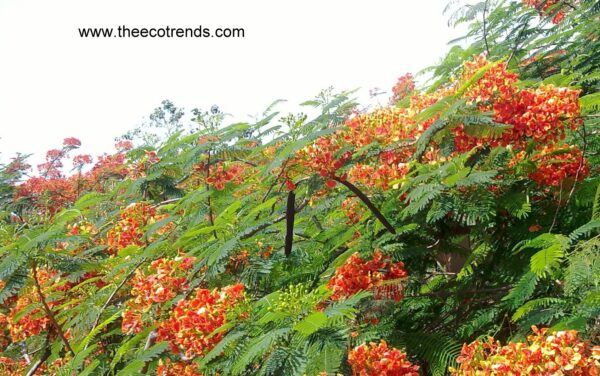
Well, I am going to talk about a tree waiting to be cut down for the sake of opening the fifteenth gate of a Stadium, or for the sake of urban development.
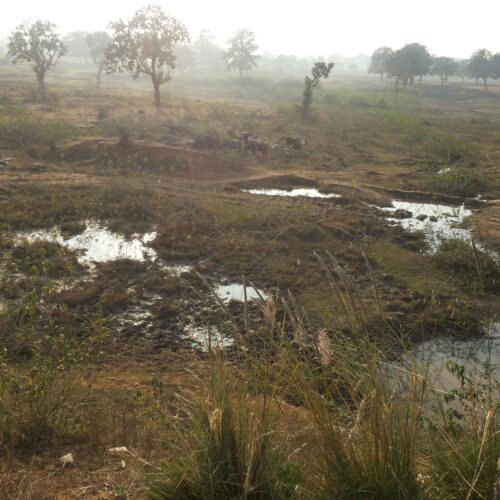
Some environmentalists define land pollution as – build up of toxic chemical compounds, salts, pathogens or radioactive materials in soil that can affect plant and animal life adversely, is called as soil pollution.
Mixing of different types of substances in soil- which affects its natural qualities, and reduces its fertility- is called as soil pollution. Some environmentalists define soil pollution as – build-up of toxic chemical compounds, salts, pathogens or radioactive materials in soil that can affect plant and animal life adversely, is called as soil pollution.
Varieties of Biological Resources are in international demand today. To meet this international demand, illegal smuggling of these resources is done through illegal routes. Some species of plants and animals have been threatened, rare, endangered or critically endangered due to such practices. Several valuable species of plants and animals have become extinct due to these activities. The international trade in animal body parts is increasing rather rapidly due to their high prices in the international markets. Where possible, the trade of whole animals is also in full swing.
Different activities may generate waste which may be solid or liquid. The quality of both solid and liquid wastes is increasing and if the wastes are disposed in an uncontrolled manner these may cause adverse impact on public health and environment. Hence these wastes need to be managed efficiently so as to safeguard public health and environment. In definitional terms, solid and liquid waste management is the collection, transportation, processing, recycling, treatment and disposal of waste materials.
The conditions of a habitat remain changing abruptly and periodically. Abrupt changes in environment often do not give time to an organism to get ready and to face the challenges. As such the organism can survive only when it has sufficient abilities to tolerate these changes.
Darwin published his book “On the Origin of Species” on 24 November 1859. The aim of Darwin Day inspires to fulfil the academic curiosities. It demands to search the truth in scientific ways.
In India, a Hazardous Substances Management Division has been constituted as a nodal point within the Ministry of Environment and Forest. This nodal agency is responsible for Planning, over-seeing and implementing the policies and programmes on management of hazardous substances and Chemical Emergencies.
Tulsi or the Holi Basil is taxonomically called as Ocimum tenuiflorum. It is an aromatic and perennial plant which belongs to the taxonomic family Lamiaceae
The biosphere has been composed of a number of highly complex ecosystems such as forests, grasslands, oceans, estuaries, deserts etc. These ecosystems have gone under threat over the years due to intensive human pressure of serious pollutions, habitats destructions, land, water bodies, wetlands and coastal zones reclamations and so on.
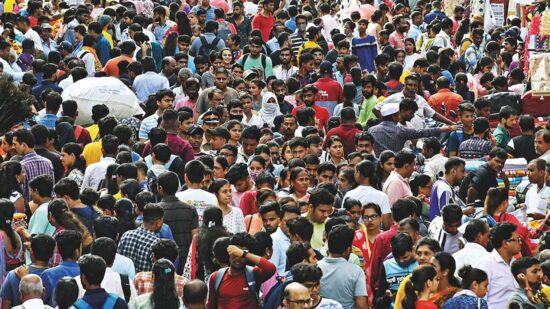
A population is a group of individuals (all members of a single species) who live together in the same habitat and are likely to interbreed. Each population has a unique physical distribution in time and space. It may contain individuals of different ages, and its size (density) is likely to change over time. It grows or shrinks according to the reproductive success of its members.
Coarse grains are broadly discussed these days. Now the world has come to know about their importance. Coarse grains have been contained in the Indian dishes since long. Now that the harmful effects of soft grains are known, the world has come to advocate the coarse grains.