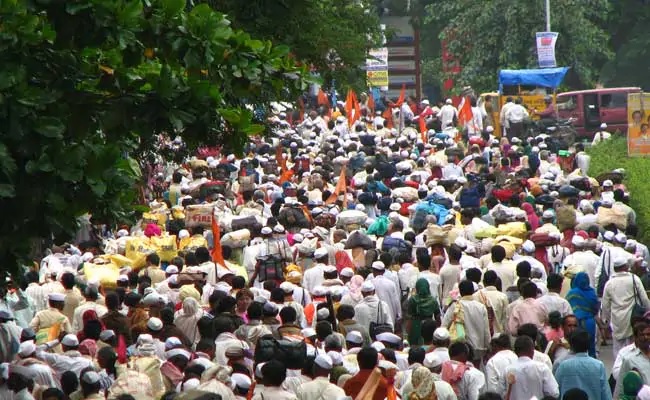

The increasing Human Population is putting immense pressure on Resources
A population is a group of individuals of a particular species occupying a particular area at a specific time.
A population is a group of individuals of a particular species occupying a particular area at a specific time.
A group of individuals of a particular species occupying a particular area at specific time is called as population.
A group of individuals of a particular species occupying a particular area at specific time is called as population. A species is a group of similar type of organisms that can interbreed under natural conditions. The interbreeding organisms of a species produce new organisms and finally result into the growth of population. This is true for all the life forms including human beings.
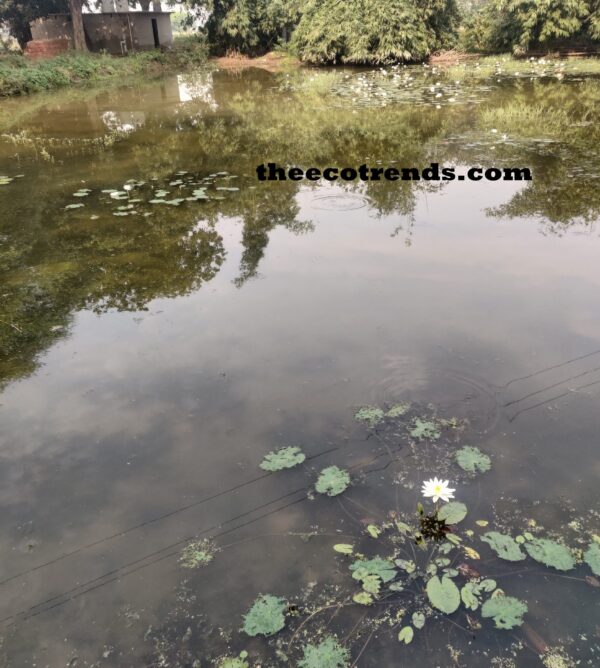
Dams have started drying in Ranchi, the capital of Jharkhand state of India.
Respiration is different in aquatic and terrestrial animals. Aquatic animals repire by means of gills and skin while terrestrial animals breathe in through lungs.
Urban areas are usually densely populated locations. People migrating from villages towards cities further increase the population burden of cities. Thus urban areas are suffering from serious congestion and traffic problems. Here is a case of Ranchi.
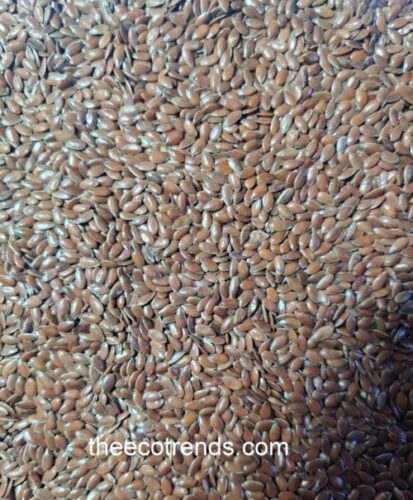
In irrigated conditions 80 kg of Nitrogenous fertilizers, 30 kg of Phosphorus, 20 kg of Potassium and 20 kg of Sulphur fertilizers are recommended in one hectare of land for the linseed cultivation.
Different types of plants and animals have been blessed with peculiar and important merits. These merits are expressed in plants and animals due to specific genes found in them.
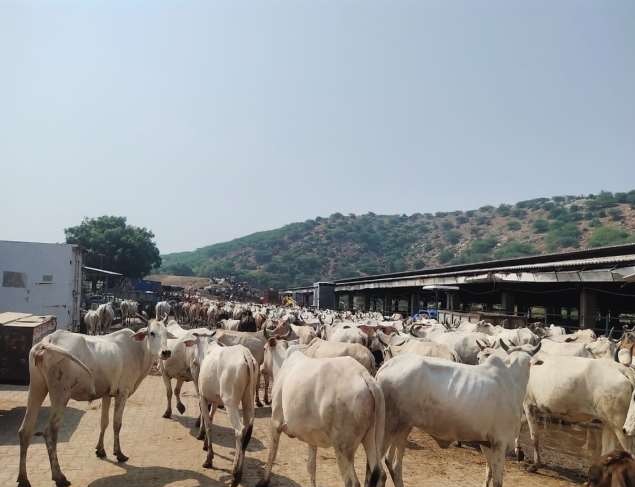
The engineer couple of Chandigarh, Punjab has established a biogas plant in Barsana. From this plant about 300 unit electricity is generated per day. It is through this electricity that fourteen tube wells are run in the Goshalas.
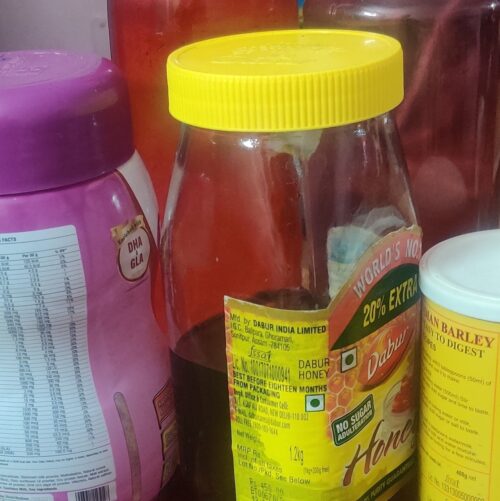
Food spoilage is the undesired process through which the quality of food deteriorates to a point that it no longer remains fit for eating. Such a food becomes harmful or poisonous and any one eating such type of food may fall ill seriously.
Different activities may generate waste which may be solid or liquid. The quality of both solid and liquid wastes is increasing and if the wastes are disposed in an uncontrolled manner these may cause adverse impact on public health and environment. Hence these wastes need to be managed efficiently so as to safeguard public health and environment.