
Shelter – Definition, Need and Types
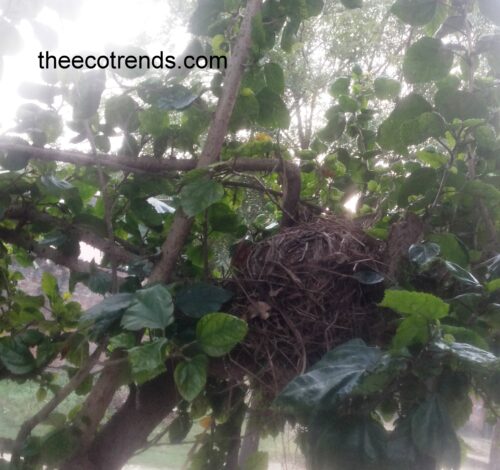
The dictionary meaning of a shelter is – something beneath, behind, or within which a person, animal or anything is protected from adverse conditions, and where it can reproduce is called as a shelter.
The dictionary meaning of a shelter is – something beneath, behind, or within which a person, animal or anything is protected from adverse conditions, and where it can reproduce is called as a shelter.
All those processes that maintain the body of an organism collectively are called as life processes. These processes principally include Nutrition, Respiration, Internal Transport, and Excretion. Some other processes of life like control and coordination, Reproduction, Heredity and Evolution etc. are essentially found in living beings but they are not directly related to processes of life. Hence, these may or may not be regarded as life processes
Modern development has caused a number of environmental problems at local, regional, national and international levels. Global Climate Change, depletion of ozone layer, increasing inequality, reduction in the means of livelihood for poor, scarcity of food, increasing number of disasters, extinction of species, falling underground water table etc. are some of the major environmental problems created by modern unsustainable development. These problems are challenging the existence of human race on this planet.
Works done inside houses include works related to livelihood, child rearing, some small scale industries, human services, office works and indoor plays etc
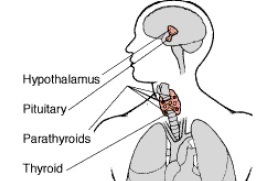
This is a pea sized major endocrine gland. It is protected by a boney cavity called Sella turcica of the sphenoid bone. It is a protrusion of bottom of Hypothalamus at the base of the brain. This gland is also called as Hypothesis.
Some reports regarding increasing bird trade in endangered species that were published recently in some news papers are matters of concern not alone for the lovers of environment and wildlife but for common public as well.
Many people are working longer and harder, thinking that this will solve the problem of an ever-increasing workload. But they are still falling behind, becoming chronically overwhelmed, and burning out.
Ans. Specific enzymes are needed for degradation of substances. A single enzyme cannot degrade many substances. Different types of microorganisms…
Human activities of pollution are modifying the natural process of green house effect. The advent of the Industrial Revolution in the 1700s boosted up the activities of burning of fossil fuels like coal, oil and natural gas which released lots of heat absorbing gases into the atmosphere.
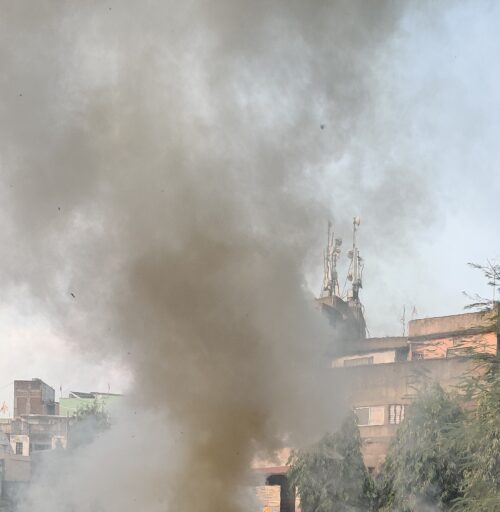
Substances that cause pollution of air are called as air- pollutants or atmospheric pollutants. These are fine Primary Pollutants that contribute more than 90 percent of global air pollution. These fine pollutants are carbon monoxide (CO); Nitrogen oxides (NOx); Sulphur oxides (Sox) and particulates. These pollutants can be put into two broad categories A. Gaseous Pollutants, and B. Particulates.
Abrupt changes in environment often do not give time to an organism to get ready and to face the challenges. As such the organism can survive only when it has sufficient abilities to tolerate these changes.
Biodiversity and other sources supply raw materials to many important industries. They have aesthetic value and appeal for ecotourism, which supports the growth of the national economy. They are also potential sources of pharmaceuticals, other chemicals, agricultural materials, etc.