Structure and Functions of Ecosystems
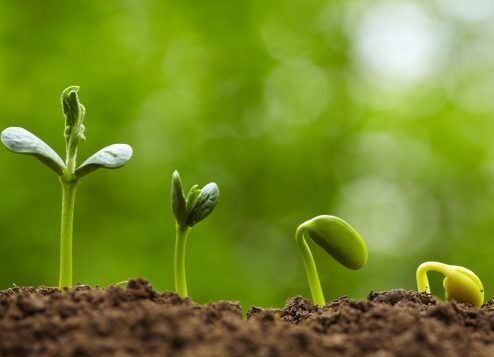
The environment has two basic components: Biotic and Abiotic. The biotic components of an ecosystem are living beings—plants, animals, and…
The environment has two basic components: Biotic and Abiotic. The biotic components of an ecosystem are living beings—plants, animals, and…
Eatable spices not only increase the taste and smell of food, they contain nutrients that increase our immunity and protect from any infection.
Sometimes it so happens that serious and abrupt changes in weather condition ruin the entire crop. Thus, the hard work of the whole season goes in vain. What about the debt which he has to pay? On the other hand, market prices of his agriculture production often remain too less to support the economy of the farmer. These are the conditions under which a number of farmers in different states of India have been reported committed suicides.
A habitat is the natural home or environment of an animal, plant, or other organism.
Substances that cause pollution of air are called as air- pollutants or atmospheric pollutants. These are fine Primary Pollutants that contribute more than 90 percent of global air pollution. These fine pollutants are carbon monoxide (CO); Nitrogen oxides (NOx); Sulphur oxides (Sox) and particulates. These pollutants can be put into two broad categories A. Gaseous Pollutants, and B. Particulates.
We have been hearing about environmental pollution, loss of biodiversity, energy crisis, and the sustainable environment since long. So many things have already been infused in school syllabi as well. But how many of us really apply in our real life the things about which we have read in our classes?
Button mushroom is very popular in Indian markets and in other countries. It’s commercial production can be a better option for employment. Recently Jharkhand has started the export of vegetables to other countries. If the state produces mushrooms of international standards, the farmers of this state can get better self employment.
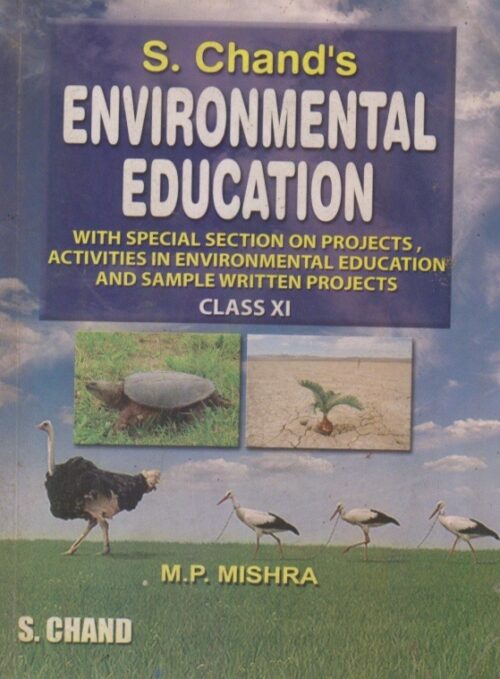
Book Review S. CHAND’S ENVIRONMENTAL EDUCATION CLASS XI BY DR. M. P. MISHRA PURPOSE OF THE BOOK This book on…
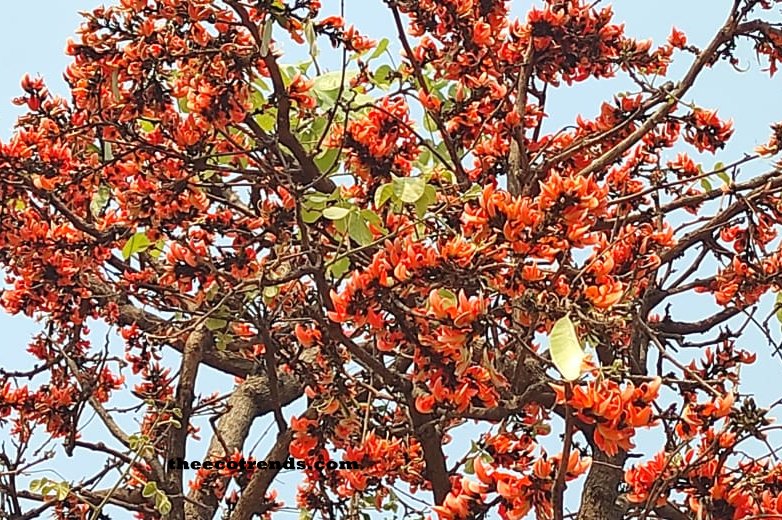
Palash or Butea monosperma is an important tree of taxonomic family Fabaceae which is native to tropical and sub-tropical India. It is also found in Pakistan, Bangladesh, Nepal, and Srilanka etc.
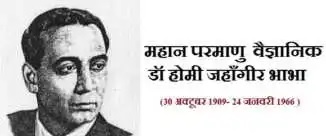
Yes, 24th January is the memory day of Dr. Homi Jahangir Bhabha. He was died in a plane accident. Though it was an accident people have different opinions about it. He is called as the Father of India’s Atomic Programme. It is accepted that India would have been a country of Atomic Power if Dr. Bhabha had lived the accident. His death was considered as suspicious
As per an assessment, about 600 million people inhabited urban areas of the world in the year 1950. But now urban areas have been recorded to be inhabited by about half of the total population.
Energy is essential for working and survival of all the organisms on this planet. In fact, it is the energy which enables organisms to perform their biological functions.