
United Nations System
On June 26, 1945 fifty-one; nations representing 80% of the world’s population approved and signed a charter for the establishment of a world body of nations – the United Nations Organisation (UNO); at San Francisco.
On June 26, 1945 fifty-one; nations representing 80% of the world’s population approved and signed a charter for the establishment of a world body of nations – the United Nations Organisation (UNO); at San Francisco.
The Pollution of atmosphere leads to severe consequences on local, regional, national and international levels.
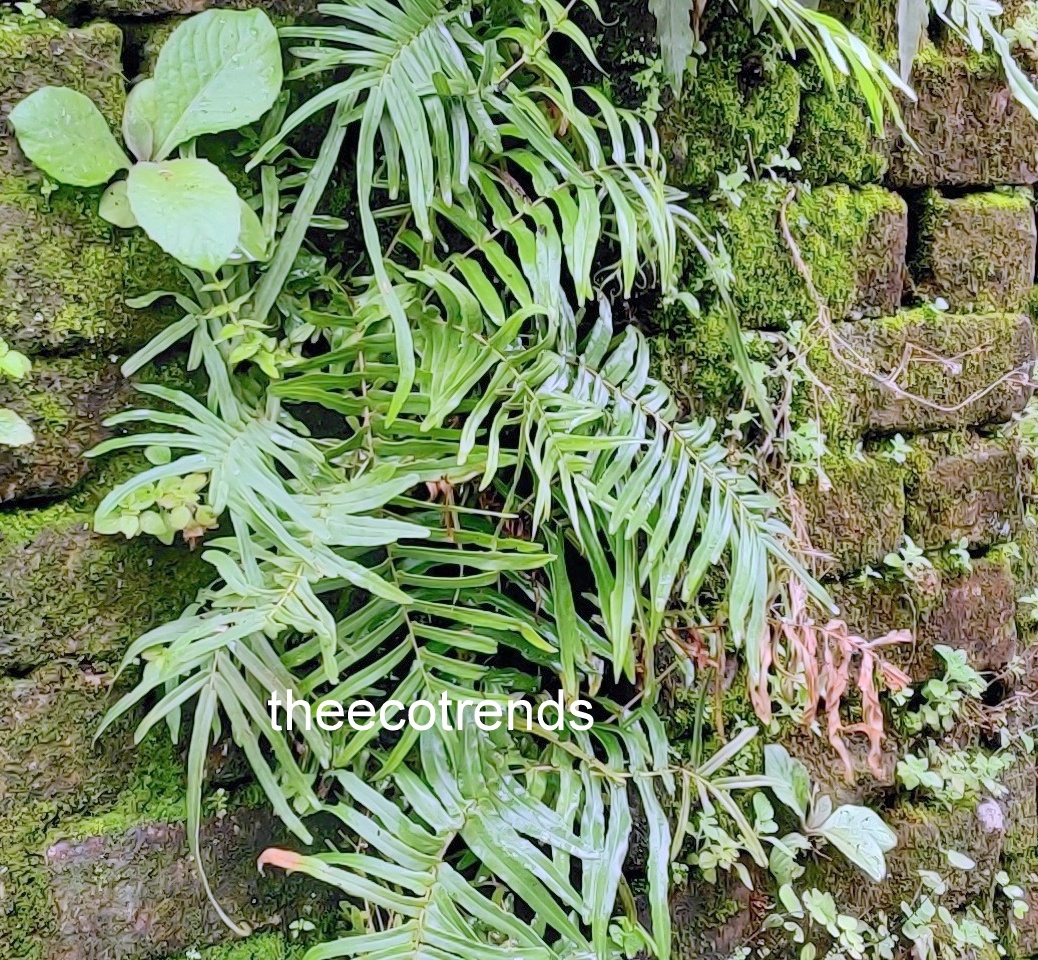
Many ferns grow along north or west facing walls every year. Their spores might have been there in crevices during the dry season. Unless there is a supply of water from leaking pipe they complete their life cycle within the rainy season and pack up with the passing rains. They pass away and leave for us a lesson to remain happy and survive in hard conditions.
Biodiversity sources and also other sources supply raw materials to many important industries.
They have aesthetic value and an appeal for ecotourism, which supports the growth of the national economy. They are also potential sources of pharmaceuticals, other chemicals, agricultural materials, etc.
Pharmaceutical products of biodiversity origin offer important medicines to our healthcare systems and prepare a background for many social services. Besides these, biodiversity offers various ecosystem services as each of the numerous species of animals and plants depends on other animals or plants for survival, breeding, and development.
In the current period of Corona Pandemic most of the people are running to and fro for oxygen container as if Oxygen can only cure the corona patients in this period.
For one it is the indication of meeting the other, either boy or the girl. This belief prevails in many parts of India including Jharkhand. If by chance, you spot a single myna, it is sure that your day is going to be alone on the whole. It comes true most of the time.
The concept of joint forest management was initiated on a large scale through guidelines issued by the government of India in 1990. According to those guidelines the village communities are to be involved in the development and protection of degraded forests based on taking their genuine share of benefits from those forests.
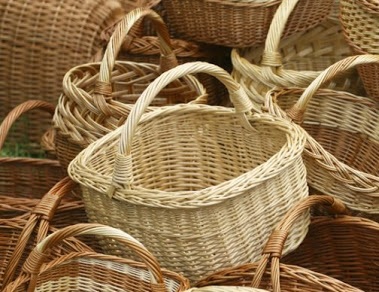
India has a vibrant tradition of crafts. Though agriculture employs largest number of people in this country, craft section employs and sustains over twenty million people.
The processes of development through years have spurred on unplanned urbanization, extensive industrialization followed by different types of pollutions, construction of a series of mega dams, and large-scale application of Agro-chemicals. In the process, different parts of the world have started facing ecological crises.
Ecosystems can be categorised into two broad categories: natural and artificial. Natural Ecosystems are those ecosystems that operate by themselves under natural conditions. These ecosystems are further categorized as Terrestrial and Aquatic Ecosystems. Terrestrial ecosystems relate to lands, whereas Aquatic ecosystems relate to fresh or marine water. Freshwater ecosystems may be Lotic or Lentic. Lotic are running water ecosystems like springs, streams or rivers, whereas Lentic Fresh Water Ecosystems may be found in standing waters of lakes, ponds, pools, puddles, ditches, swamps, etc. Marine Ecosystems are found in marine waters of salt lakes, seas, oceans and estuaries. Artificial Ecosystems are man-engineered ecosystems like crop fields, artificial ponds and lakes, aquaria, fish ponds, and abandoned mines reclaimed as lakes or water bodies for recreation.
Animals can be categorized mainly into two categories- domestic, and wild. However, the domestic animals that live under wild conditions are called Feral Animals.