Questions and answers on Heredity/Bio- X
1. Trait-A exists in 10% of a population of an asexually reproducing species and trait-B in 60%of the same population….
1. Trait-A exists in 10% of a population of an asexually reproducing species and trait-B in 60%of the same population….
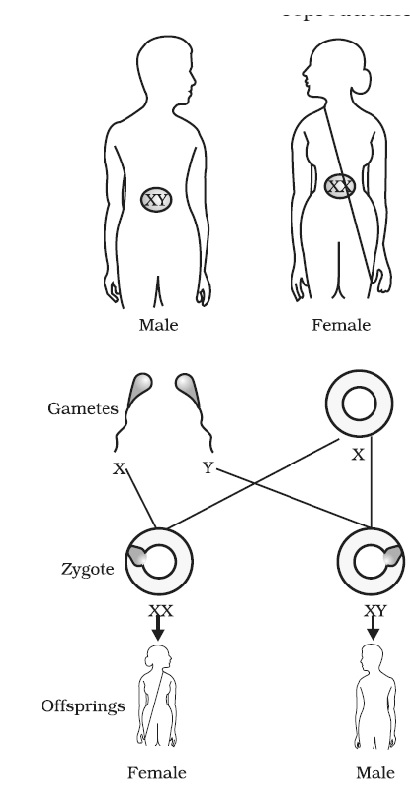
Some specific characters are found in the parents of each species. These characters are transferred from generation to generation through the process of sexual reproduction.
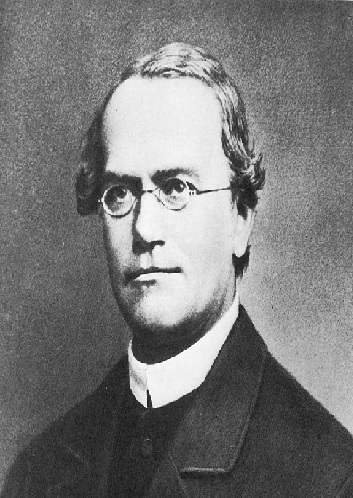
On the basis of his experiments of hybridization Mendel proposed following rules of heredity-1. Law of dominance, 2. Law of iseggregation and , 3.Law of Independent Assortment.
The Romance Sanctuary of Characters of Mahua Maji’s Novel- “Marang Goda Neelkanth Hua” the Saranda Forest of Jharkhand is also an undeclared Bird Sanctuary of Numerous native and Migratory Bird Species.
Sun is the only source of energy in the biosphere. Every living being can get its share of energy through food only and the energy is directly or indirectly obtained from green plants only.
Neighbourhood is a geographically localized community within an area, may it be a rural area, a town or a city, or sub-urban. Neighbourhood are considered as social communities in which face-to-face interaction among people take place.
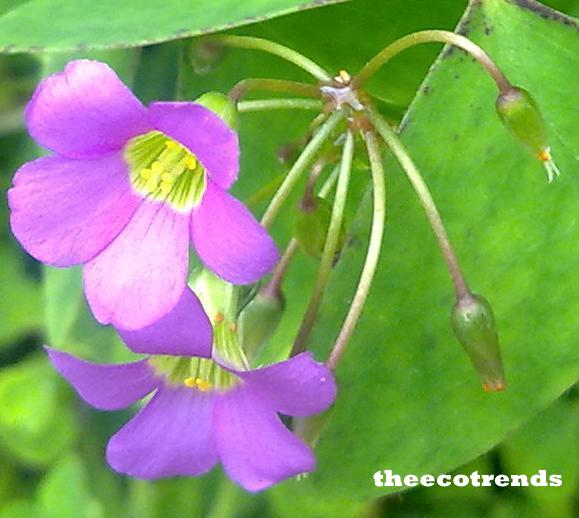
Flowers are most beautiful and attractive parts of a plant. These contain reproductive structures- male and female. Flowers containing any one of these structures are known as unisexual whereas flowers containing both the reproductive structures are known as bisexual.
The Pollution of atmosphere leads to severe consequences on local, regional, national and international levels.
Anything from which we can derive energy is called as a source of energy. Since all the life processes need energy, energy is most important for our survival.
Our body derives energy from the food we eat. Thus, the food we eat is the source of energy for our body. But this is not the whole story. We need energy for our growth and economic development as well.
Auxins move to darker side of the part of a plant and cause cells of that side to grow larger. These may induce cell division as well. In both of these cases the part of the plant bends.
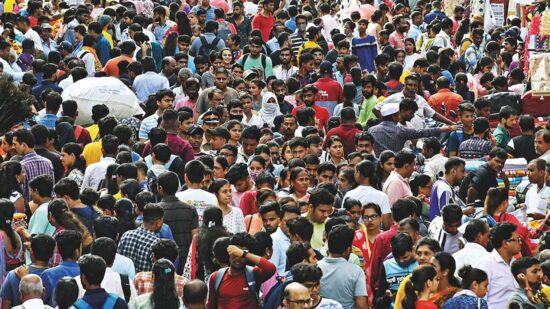
A population is a group of individuals (all members of a single species) who live together in the same habitat and are likely to interbreed. Each population has a unique physical distribution in time and space. It may contain individuals of different ages, and its size (density) is likely to change over time. It grows or shrinks according to the reproductive success of its members.