in-situ conservation

Advertisement
November 1, 2024

Conservation of Wildlife   

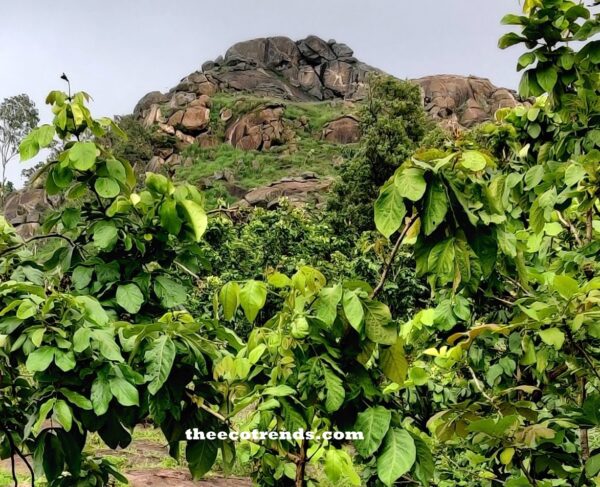
Conservation of species in their natural habitats- in areas where they occur under normal conditions is called in-situ conservation.

This type of conservation strategy protects the entire area. Such an area is protected and maintained to conserve all the known or unknown species inhabiting it.

In this type of conservation, species are not isolated or provided with health care, food, or mating facilities. Only factors detrimental to species’ existence and development are eliminated in this conservation strategy. Human interference, such as hunting, cutting down trees, collecting firewood, etc., is completely banned in such areas.

Read Article
November 6, 2020 Recommended

Prepare Biochar to End Up Paddy Stump Burning

The technique of carbon fixation has been developed by Dr. Ram Swaroop Meena of Banaras Hindu University, U.P. – India who has potentized his technique entitled “Low cost Biochar with Integrated Nutrient Management”.

Read Article
November 13, 2021 Recommended

Air Pollution may cause depression in human being

From different sources it has been confirmed that air pollution has increased in Indian cities after Deepawali festival. Delhi and many other cities of India are experiencing very heavy pollution. Particulate matter in these cities have increased up to such an extent that many persons have started suffering from breathing related problems.

Read Article
March 4, 2023 Recommended

Energy for us

Anything from which we can derive energy is called as a source of energy. Since all the life processes need energy, energy is most important for our survival.

Our body derives energy from the food we eat. Thus, the food we eat is the source of energy for our body. But this is not the whole story. We need energy for our growth and economic development as well.

Read Article
February 10, 2024 Recommended

Amazing World of Animals

The term animal has its origin from the Latin word animalis which means one who has breath. This word is usually applied for the non-human members of the Kingdom Animalia in animal taxonomy. However, the closer relatives of humans like mammals (having mammary glands) have been included in this term.

Read Article
January 29, 2021 Recommended

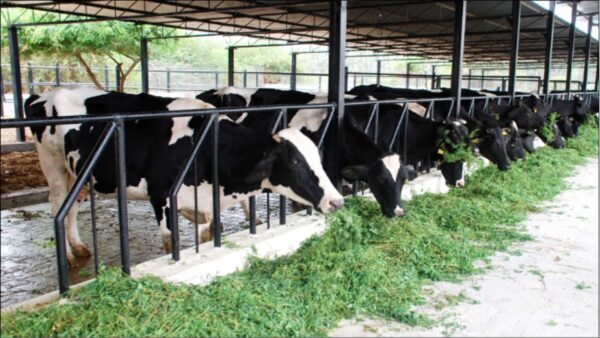
Animal Husbandry and Milch Cattle

We rear and take care of animals to take their support in food production. Their systematic and proper rearing and also the arrangement for their proper reproduction and management are called as Animal Husbandry.

Read Article
August 19, 2022 Recommended

Hunger, Famine, and Nutritional Deficiency Diseases

People who suffer from hunger remain undernourished. They don’t get enough food to eat. As such they don’t get energy, they need to live active lives. Undernourished persons remain unable to study, work or otherwise perform physical and mental activities. This condition is especially hard for women and children. Continuous hunger weakens the immune system and makes them vulnerable to diseases and infections. Mothers who suffer continuous hunger often give birth to underweight and weak babies, and they face increased risk of death.

Read Article
August 10, 2024 Recommended

Toucan- a cute and cruel but friendly and smart bird

Toucan is a cute and friendly bird with a small rounded tail and a long, red and amazing bill. It belongs to family Ramphastidae of zoological order Piciformes belonging to the genus Ramphastos.

There are 37 species in Ramphastidae and the largest birds are known as Toco toucan. The bird about which we are going to talk about right now is the Toucan – yes, the Ramphastos aerial. You might have seen some famous TV serials with Toucan as one of the leading characters on the National Geographic; or some famous children’s films with Toucan as here- like Rio-.

Read Article
January 14, 2022 Recommended

Human Activities and Environment

Waste too is found in three states- solids, liquids and gases. Liquid wastes such as different types of chemicals, useless medicines, detergents, pesticides, oil, automobile wastes etc. spread on the soil surface and make it poisoned. Decomposition and burning of things on ground produce different gases that pollute the air.

Read Article
Advertisement
Gallery Picture
Gallery Picture
Gallery Picture
Gallery Picture
Gallery Picture
Gallery Picture
Gallery Picture
Gallery Picture
Gallery Picture
Gallery Picture
Gallery Picture
Gallery Picture
Gallery Picture
Gallery Picture
Gallery Picture
Gallery Picture
Gallery Picture
Gallery Picture
Gallery Picture
Gallery Picture
Gallery Picture