KHEKSA- The Divine Vegetable
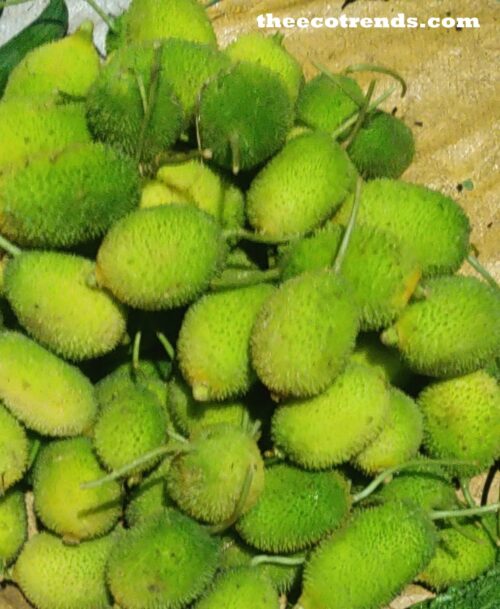
Kheksa is taxonomically known as Momordica dioica. It is commonly known as Kheksa, Spiny gourd, bristly Balsam pear, and Prickly carolaho, Kantola etc. It belongs to the family Cucurbitaceae.
Kheksa is taxonomically known as Momordica dioica. It is commonly known as Kheksa, Spiny gourd, bristly Balsam pear, and Prickly carolaho, Kantola etc. It belongs to the family Cucurbitaceae.
There are four basic factors that cause population change in a country – Natality or the birth rate, Mortality or…
Ever since the earth was inhabited, humans and other life forms have depended on things that exist freely in nature…
In the current period of Corona Pandemic most of the people are running to and fro for oxygen container as if Oxygen can only cure the corona patients in this period.
For one it is the indication of meeting the other, either boy or the girl. This belief prevails in many parts of India including Jharkhand. If by chance, you spot a single myna, it is sure that your day is going to be alone on the whole. It comes true most of the time.
The Government of India is planning to offer mid-day-meal to the helpless elderly persons also. Till now, school going children of up to 8th standard of schooling were provided free mid-day- meal in their schools.
The processes of development through years have spurred on unplanned urbanization, extensive industrialization followed by different types of pollutions, construction of a series of mega dams, and large-scale application of Agro-chemicals.
Constructing a new infrastructure; expanding a residential area; building an industrial plant; increasing the capacity of an airport – are some typical examples of developments that can be carried out only if the competent planning authorities grant the authorization.
It is due to frequent oil spills that sea otters, many sea birds, whales and many other species of the marine environment have become endangered. The oil spill damages fisheries and Mari culture, and causes serious economic losses to the local public and the governments.
Land management is the process of managing the use and development of land resources in rural and urban areas. Land resources are used for a variety of purposes which may include organic agriculture, reforestation, water resource management and eco-tourism projects.
Control and Coordination in animals are performed by the activities of different types of chemical substances. These chemical substances are known as Animal Hormones.