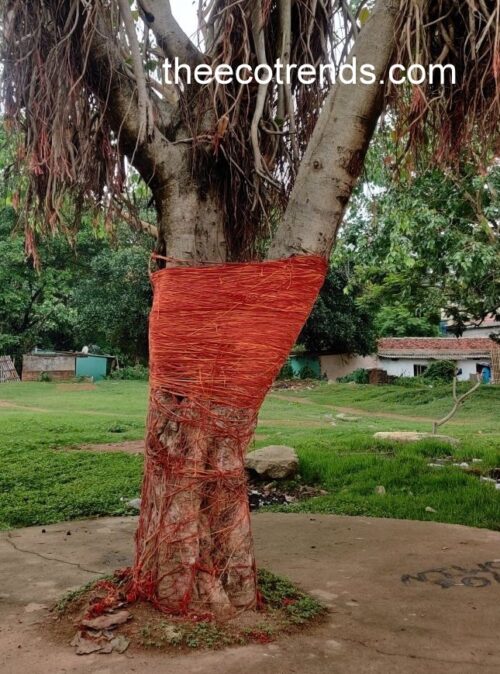
Communities that depend on Forests and Worship Trees
Tribal people of Jharkhand worship Karam Tree during their Karma Pooja. During this Pooja twigs of Karam Tree are planted at a sacred place. The Pahans (Purohits) worship these branches.
Tribal people of Jharkhand worship Karam Tree during their Karma Pooja. During this Pooja twigs of Karam Tree are planted at a sacred place. The Pahans (Purohits) worship these branches.
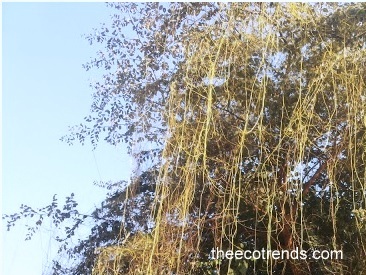
Cuscuta is found throughout the temperate and tropical regions of the world. It has great species diversity in subtropical and tropical regions of the world. It has many folk names like wizard net, devil’s hair, goldthread, hair weed, love wine; strangle weed, angel’s hair, and witch’s hair.
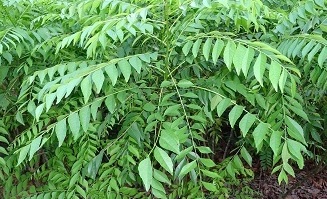
Kurry plant is a tropical or sub-tropical plant. It taxonomically belongs to family Rutaceae
According to their physical make up, there are basically two types of animals- Vertebrates and invertebrates. Invertebrates are those animals that don’t have a vertebral column or backbone. On the other hand, Vertebrates are those animals who have a vertebral column or the back bone.
Fried and roasted food rush into our memory today because lock down has locked us inside. As a result the forgotten dishes are now being served on the table. Stuffed brinjal, stuffed lady’s finger, stuffed Shimla mirch, parval etc. taste double when fried. The maincourse items that were long banned in the kitchen are occupying their places on the dining table.
Some specific characters are found in the parents of each species. These characters are transferred from generation to generation through the process of sexual reproduction.
On the local and regional levels, air pollution creates various types of problems against living and non- living environment. In the living environment it causes different types of physical, physiological and mental diseases.
Natural habitats support a variety of living organisms, some of which endemic to one particular habitat.
Both pomegranate and mango are nutritios fruits. These help us in keeping good health.
Our natural resources are known to have some specific qualities of their own. These qualities are known as natural qualities. It is due to specific natural qualities that different natural resources have been useful to us and to the whole biosphere. But now, the condition has changed considerably. Most of our natural resources like air, water and soil have gone bad due to pollution of different types. What is pollution?
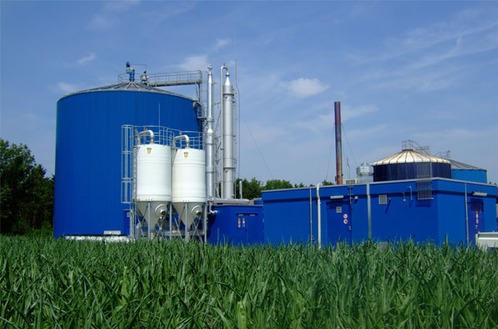
Biogas is a mixture of 56% methane gas (CH4), 40% carbon dioxide (C02) and rest, a mixture of H2, H2S and N2. It is produced by digestion, Pyrolysis and hydro gasification in a specific plant called as Biogas Plant. Biogas plants are of various types like — Janata biogas plant, Dean Bandhu biogas plant, Khadi and Village Industries Corporation (KVIC) type biogas plant, Pragati Design biogas plant and Chinese biogas plant.