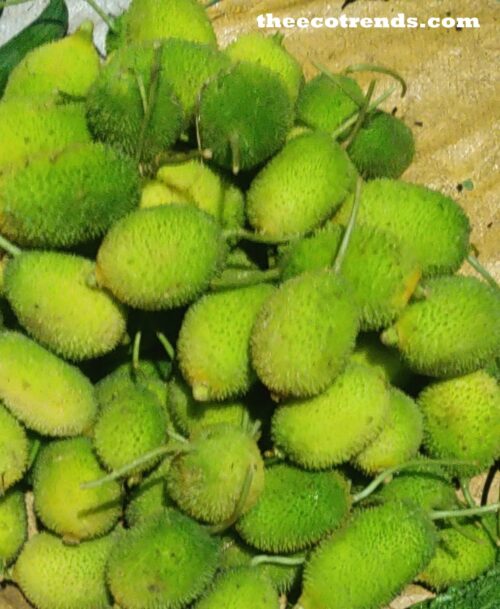
KHEKSA- The Divine Vegetable
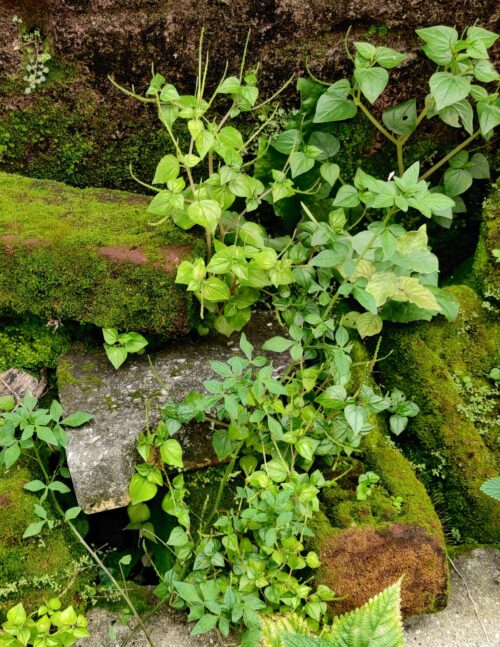
Kheksa is taxonomically known as Momordica dioica. It is commonly known as Kheksa, Spiny gourd, bristly Balsam pear, and Prickly carolaho, Kantola etc. It belongs to the family Cucurbitaceae.
Kheksa is taxonomically known as Momordica dioica. It is commonly known as Kheksa, Spiny gourd, bristly Balsam pear, and Prickly carolaho, Kantola etc. It belongs to the family Cucurbitaceae.
The comfortable life style has reduced mobility of men, women, and children. The lock down during COVID-19 period has restricted human movement up to greater extent. Under these conditions arthritis may become a reason behind problems of joints.
Most of the animals have a network of very fine filamentous or threadlike structures which exchanges information. These structures are called as nerves.
Through different means – natural and unnatural the process of keeping in a limit the growth of population is called as Population Control. It is essential for the welfare of human families. This is the reason why its name has been changed to the Family Welfare.
Substances that cause pollution of air are called as air- pollutants or atmospheric pollutants. These are fine Primary Pollutants that contribute more than 90 percent of global air pollution. These fine pollutants are carbon monoxide (CO); Nitrogen oxides (NOx); Sulphur oxides (Sox) and particulates. These pollutants can be put into two broad categories A. Gaseous Pollutants, and B. Particulates.
Forests and wildlife are integral part of environment. Forests control climate, soil erosion and wildlife. They cause rains.
Family is a universal Organisaion. The structure and form of a family varies from society to society. Variations in the forms of family are created by culture, social system, social values, and conditions of life. It is difficult to classify family on any one of these bases.
Green plants and trees that synthesize their own food are called as Autotrophs.Others who depend on them are called as Heterotrophs.
The environment of our earth has a number of life zones that support birth and development of all types of organisms.
All the life zones of the earth are collectively called as Biosphere.
The biosphere vertically extends into the atmosphere up to about 10 km and downwards into the oceans up to a depth of about6.9 km.
About 1000J radiant energy comes to the earth from the sun. Out of this, only 10% of the total energy is used up by green plants in the process of Photosynthesis. Remaining 990J of energy escapes away into the atmosphere. 10J of energy is stored in the form of chemical energy in starch and sugars.
Control and Coordination in animals are performed by the activities of different types of chemical substances. These chemical substances are known as Animal Hormones.