
Flow of Energy in an Ecosystem
Sun is the only source of energy in the biosphere. Every living being can get its share of energy through food only and the energy is directly or indirectly obtained from green plants only.
Sun is the only source of energy in the biosphere. Every living being can get its share of energy through food only and the energy is directly or indirectly obtained from green plants only.
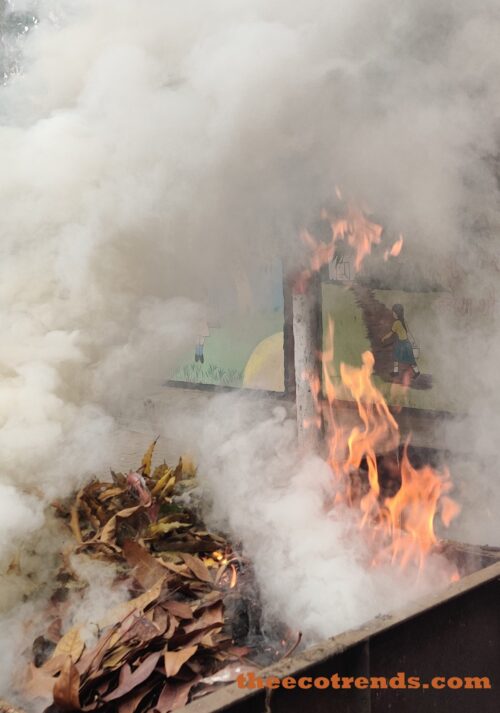
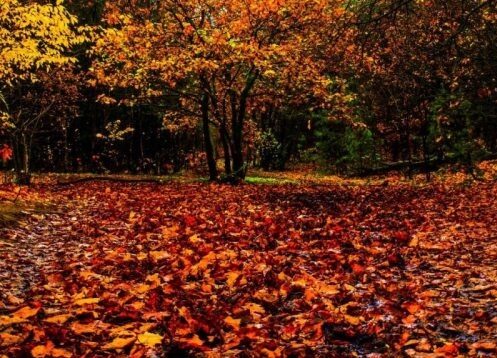
It is reported that about 30 million tones of dry leaves are dumped into landfills every year in America. In India most of these leaves are either burnt on the floor where they fall or collected by poor people and stored for burning during winter season to generate heat.
Control and Coordination in animals are performed by the activities of different types of chemical substances. These chemical substances are known as Animal Hormones.
World Water Week Stockholm is celebrated every year from 23 to 28 Aug. every year. Due to pandemic covid-19 it is taking place from 24 to 28 Aug. this year with a theme- World Water Week at Home.
The conditions of a habitat remain changing abruptly and periodically. Abrupt changes in environment often do not give time to an organism to get ready and to face the challenges. As such the organism can survive only when it has sufficient abilities to tolerate these changes.
Salai tree or the Boswellia is the tree of economic and medicinal importance.
A population is a group of individuals (all members of a single species) who live together in the same habitat and are likely to interbreed. Each population has a unique physical distribution in time and space. It may contain individuals of different ages, and its size (density) is likely to change over time. It grows or shrinks according to the reproductive success of its members.
Jharkhand state of India has already been self sufficient in the area of Pisciculture. Now, the farmers of the state are working to make the state more progressive in the area of animal husbandry and to set new records for the state.
Parental traits are transferred from one generation to other generation by means of chromosomes, DNA, or Genes.
Determining male or female form of living organism through sexual reproduction is called as sex determination. Sex determination on a large scale is of two types- environmental, genetic and chromosome based.
Conservation of species in their natural habitats- in areas where they occur under normal conditions is called in-situ conservation.
This type of conservation strategy protects the entire area. Such an area is protected and maintained to conserve all the known or unknown species inhabiting it.
In this type of conservation, species are not isolated or provided with health care, food, or mating facilities. Only factors detrimental to species’ existence and development are eliminated in this conservation strategy. Human interference, such as hunting, cutting down trees, collecting firewood, etc., is completely banned in such areas.
Though there are two basic types of leaves of monocotyledonous and dicotyledonous plants, we observe immense diversities in their arrangements, sizes, and shapes.
Some leaves are very short, as short as they cannot be seen through naked eyes where as there are big broad leaves that can form many umbrellas for small children.