
Tulsi- the Immunomodulator Herb
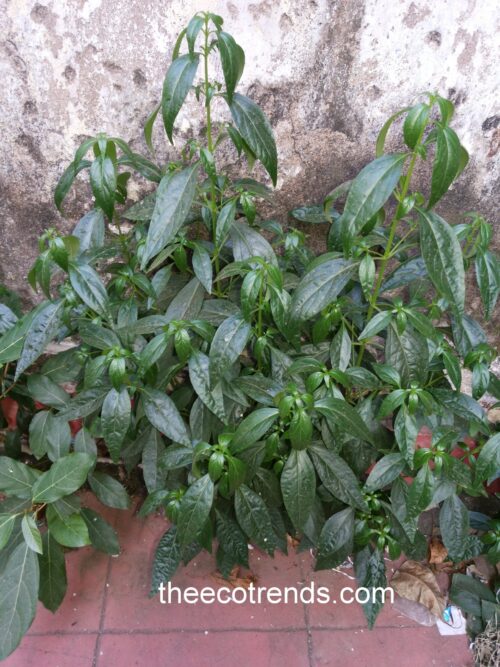
Tulsi or the Holi Basil is taxonomically called as Ocimum tenuiflorum. It is an aromatic and perennial plant which belongs to the taxonomic family Lamiaceae
Tulsi or the Holi Basil is taxonomically called as Ocimum tenuiflorum. It is an aromatic and perennial plant which belongs to the taxonomic family Lamiaceae
Ginger is one of the most commonly consumed condiments in the world. It is botanically known as Zingiber officinalis and…
Introduction In the era of the fourth industrial revolution where environmental degradation, economic inequality and social unrest are rampant, the…
Fighting against the Climate Change which has become the biggest problem of environment is a big challenge of today.
There are various uses of Solar Energy. Farmers in Traditional Farming Communities used to solarise fields by living them empty after a deep ploughing during summers. It killed insects and pests. Human skin synthesizes vitamin-D when exposed to sunlight for short durations. Mothers used to make their babies sleep in the sun after oiling their bodies during winters in order to keep them healthy and strong.
The year 2022 has remained a year of big scientific achievements. In it, the discovery of probability of wormhole and Dart campaign of NASA in space science have been remarkable. On the other hand, the revolutionary event of heart transplant of a pig that was genetically engineered, also happened in the field of surgery.
Kirata, Kalmegh or Chiraita is a wild herb with bitter taste. It grows in the wild in forests, wastelands, and along roadsides. It is popularly known as the king of bitters.
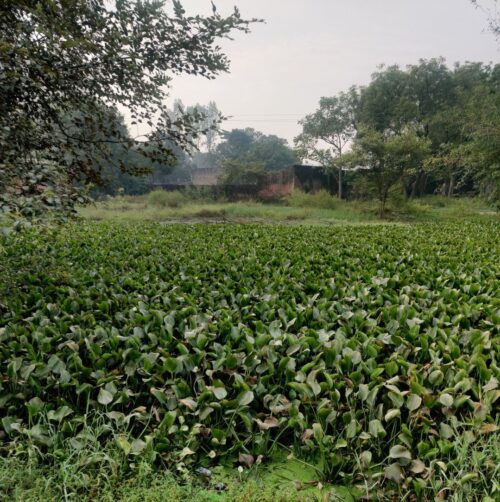
Sometimes back Ranchi was known as the city of ponds. Every area by then had a pond and people of…
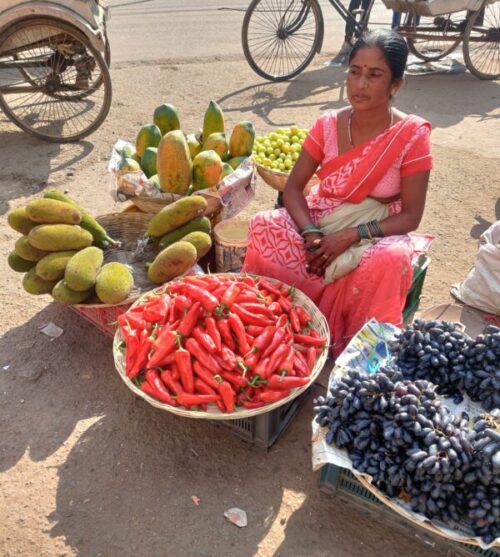
An activity that serves as one’s regular source of livelihood is called as occupation
The first Dahlia flower in winter of the year was seen by me only today in my school garden. It looked so solitary, innocent and so beautiful that I could not resist the temptation of taking its photograph.
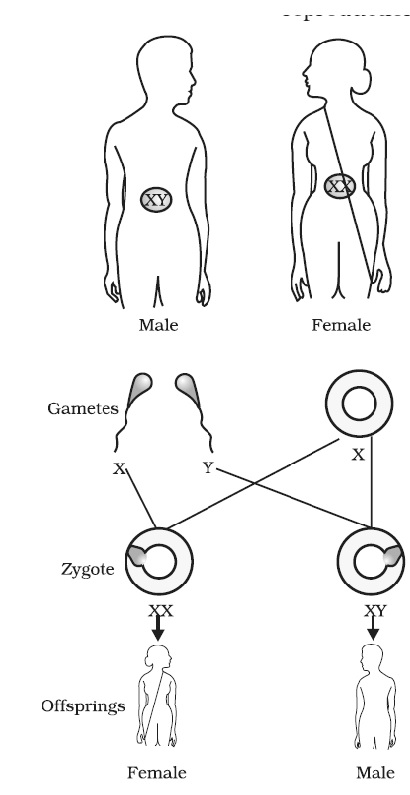
1. Trait-A exists in 10% of a population of an asexually reproducing species and trait-B in 60%of the same population….
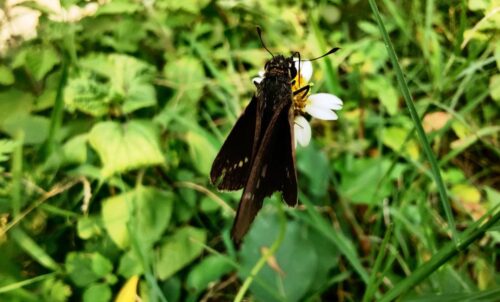
We have many types of butterflies around us. These are good pollinators of crop plants and grass pollinators. Theecotrends lens has some images of these pollinators