
Define conservation. Why do we need conservation?
Conservation of the environment implies the sustainable use and management of natural resources, including wildlife, water, air, and soils.
Conservation of the environment implies the sustainable use and management of natural resources, including wildlife, water, air, and soils.
In India, a Hazardous Substances Management Division has been constituted as a nodal point within the Ministry of Environment and Forest. This nodal agency is responsible for Planning, over-seeing and implementing the policies and programmes on management of hazardous substances and Chemical Emergencies.
There have been a number of environmental movements in India through which people have been protesting for conservation of forests and other natural resources. Here some important People’s Movements have been introduced in brief.
Water is the principal constituent of our body. Water is chemically an inorganic, transparent, tasteless, odourless, and colourless. It is the main constituent of the hydrosphere of the earth.
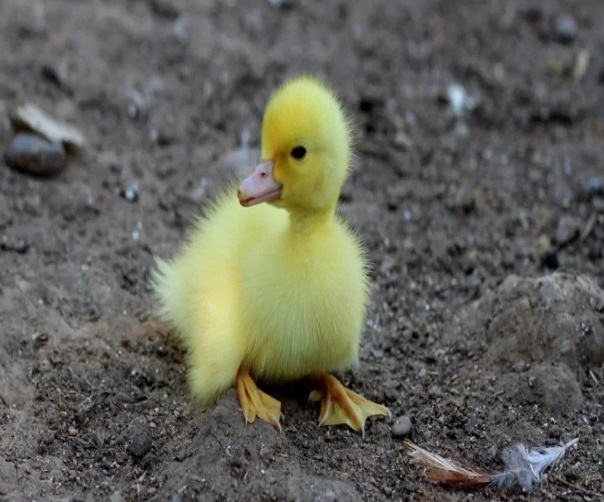
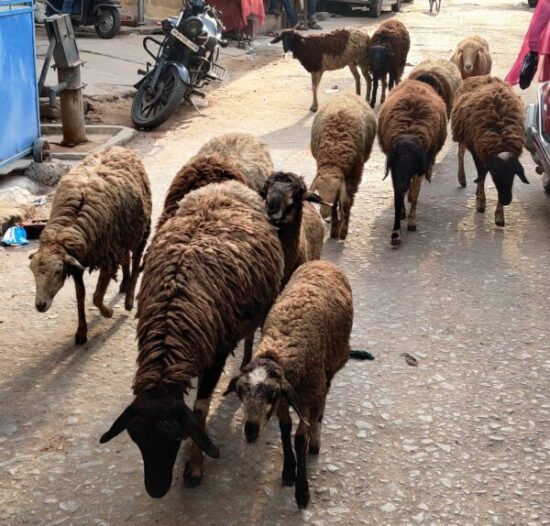
The term animal has its origin from the Latin word animalis which means one who has breath. This word is usually applied for the non-human members of the Kingdom Animalia in animal taxonomy. However, the closer relatives of humans like mammals (having mammary glands) have been included in this term.
Anything from which we can derive energy is called as a source of energy. Since all the life processes need energy, energy is most important for our survival.
Our body derives energy from the food we eat. Thus, the food we eat is the source of energy for our body. But this is not the whole story. We need energy for our growth and economic development as well.
A group of individuals of a particular species occupying a particular area at specific time is called as population.
April 2 every year is celebrated as the World Autism Day. The aim of the celebration of this day is to create Awareness among parents about this problem with their children.
The development in all sectors of a country is essential to feed its growing numbers and to feed and to…
The term animal has its origin from the Latin word animalis which means one who has breath. This word is usually applied for the non-human members of the Kingdom Animalia in animal taxonomy.
Onion is a bulb. It is a vegetable which is most widely cultivated species. Its genus is Allium. This genus…
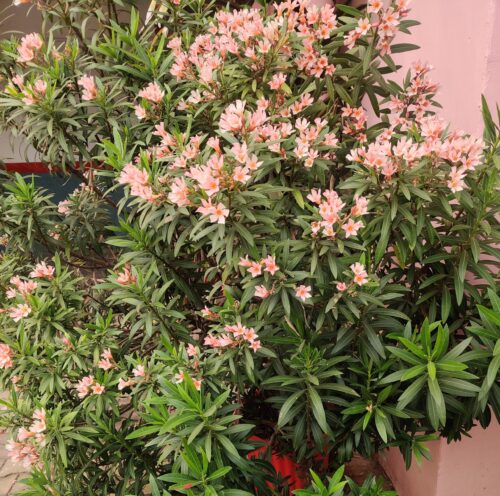
Living organisms capable of synthesizing food on their own are called as plants. They contain chlorophyll, the green magnesium compound which helps in trapping the energy from sun. This energy runs the process of photosynthesis through which glucose is basically synthesized in leaves and green stems on combining together the atmospheric carbon dioxide and water.