
Benefits from Pomegranate and Mango
Both pomegranate and mango are nutritios fruits. These help us in keeping good health.
Both pomegranate and mango are nutritios fruits. These help us in keeping good health.
Five food items have immense health benefits and you should regularly eat them. These are onions,garlics,ginger,pomegranate, and termeric.The active ingrediants found in these items protect us from many diseases and offer us good health.
Studies and researches that are done in different fields from time to time show increasing complexities in organisms than their ancestors. These studies and evidences show many important evidences of organic evolution.
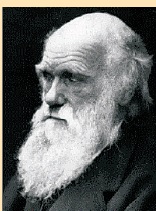
Darwin published his book “On the Origin of Species” on 24 November 1859. The aim of Darwin Day inspires to fulfil the academic curiosities. It demands to search the truth in scientific ways.
Man is surrounded by various life forms, forces and conditions- both physical and biological. Sunlight, land, air and water form physical conditions whereas all the plants, animals, and microorganisms form biological conditions.
In the modern age of industrialization and competition for development, the human race has badly missed its traditions up to major extents and cultures- up to some extent.
A number of non-governmental organisations (NGOs) or non-governmental agencies have been playing their important roles in spreading Environmental Awareness across the globe and in developing policies for the protection of environment and sustainable development.
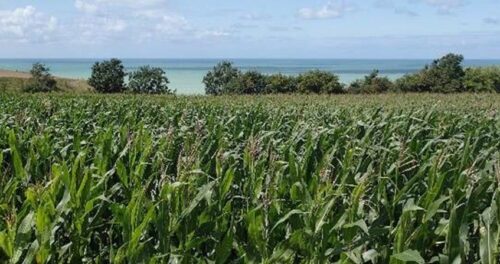
Proper arrangement of resources and techniques to check losses to crops through different factors is called as Crop Protection Management.
The conservation of the environment implies the sustainable use and management of natural resources, including wildlife, water, air, and earth soils.
It usually focuses on human needs and interests, which include the biological, economic, cultural, and recreational values of the natural environment.
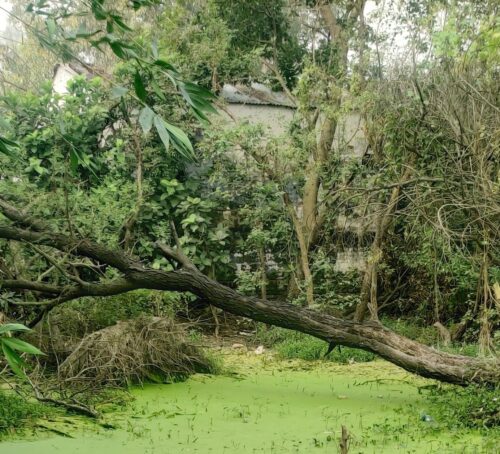
Natural habitats support a variety of living organisms, some of which endemic to one particular habitat.
Land management is the process of managing the use and development of land resources in rural and urban areas.
The Envelope of air held around the earth by its magnetic force, gravity or geomagnetism, is called the atmosphere.