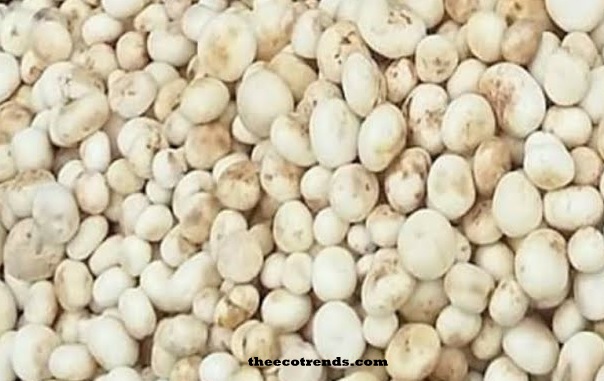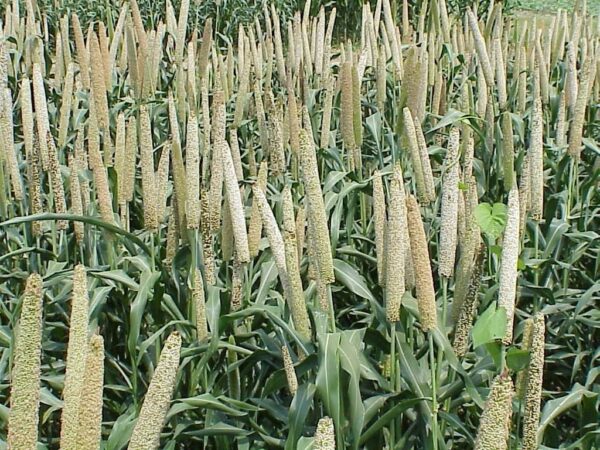
producers

Advertisement
January 21, 2021

Terrestrial Ecosystems and Their Components

The biosphere is itself a vast ecosystem which incorporates all the small ecosystems. But, the biosphere may have different types of physical conditions, communities of plants and animals, and climatic conditions in its different zones.

Read Article
October 14, 2022 Recommended

The Stockholm Conference

The tragedies in the environment stimulated the world nations the recognition of which first appeared in the shape of the United Nations Conference on Human Environment for the preservation and enhancement of its quality, at Stockholm from June 6 to June 16 in the year 1972. The delegates from 114 nations attended the conference and signed the Stockholm Declaration.

Read Article
October 10, 2024 Recommended

Habitat Destruction and Loss of Water Bodies

The predominant features that create structural complexity in the environment, such as plants or animals are called as a habitat.

A process, in which natural habitat is rendered functionally unable to support the plants and animals occupying it, is named as Habitat destruction. In the process of habitat destruction, plants and animals that previously used the place are displaced or destroyed, reducing biodiversity.

Read Article
May 22, 2022 Recommended

Diversity of leaves and Leaf-fall

Though there are two basic types of leaves of monocotyledonous and dicotyledonous plants, we observe immense diversities in their arrangements, sizes, and shapes.

Some leaves are very short, as short as they cannot be seen through naked eyes where as there are big broad leaves that can form many umbrellas for small children.

Read Article
May 20, 2022 Recommended

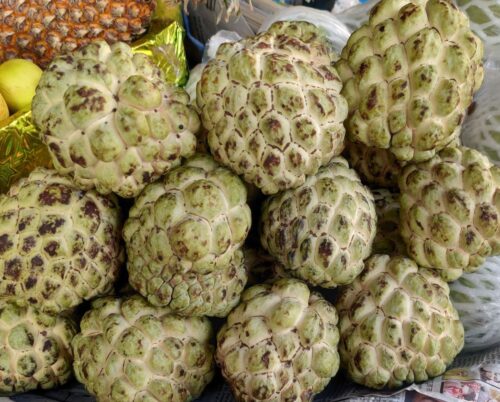
Sharifa, the Annona squimosa

Sugar apple or Sharifa is the fruit of taxonomically known tree Annona squamosa. It is native to tropical climate in the Americas and West Indies.

Read Article
September 30, 2024 Recommended

Positive and Negative Interdependence among Organisms in Ecosystems

Interdependence between two species through which individuals of either one or both species benefit is called positive interdependence. The benefits to the individual of any species through this relationship may be continuous or transitory, obligate or facultative. Both partners in this type of relationship may be in close contact; one may be inside some specific area or attached to the surface of the other’s body. Positive interdependence is divided into three major types: mutualism, Commensalism, and proto-cooperation.

Read Article
Advertisement
Gallery Picture
Gallery Picture
Gallery Picture
Gallery Picture
Gallery Picture
Gallery Picture
Gallery Picture
Gallery Picture
Gallery Picture
Gallery Picture
Gallery Picture
Gallery Picture
Gallery Picture
Gallery Picture
Gallery Picture
Gallery Picture
Gallery Picture
Gallery Picture
Gallery Picture
Gallery Picture
Gallery Picture