Special Secretary

Advertisement
July 26, 2020 Recommended

Joy of eating fried and roasted food items in Monsoon season

Fried and roasted food rush into our memory today because lock down has locked us inside. As a result the forgotten dishes are now being served on the table. Stuffed brinjal, stuffed lady’s finger, stuffed Shimla mirch, parval etc. taste double when fried. The maincourse items that were long banned in the kitchen are occupying their places on the dining table.

Read Article
October 16, 2024 Recommended

Biodiversity and its Importance

Biodiversity and other sources supply raw materials to many important industries. They have aesthetic value and appeal for ecotourism, which supports the growth of the national economy. They are also potential sources of pharmaceuticals, other chemicals, agricultural materials, etc.

Read Article
August 4, 2022 Recommended

Types of technology

There are many different types of technologies or technological models- such as Low-tech, Hi-tech, alternative, intermediate, appropriate, blended, hard, and soft technologies.

Read Article
September 28, 2024 Recommended

Types of Ecosystems – Terrestrial and Aquatic

Ecosystems can be categorised into two broad categories: natural and artificial. Natural Ecosystems are those ecosystems that operate by themselves under natural conditions. These ecosystems are further categorized as Terrestrial and Aquatic Ecosystems. Terrestrial ecosystems relate to lands, whereas Aquatic ecosystems relate to fresh or marine water. Freshwater ecosystems may be Lotic or Lentic. Lotic are running water ecosystems like springs, streams or rivers, whereas Lentic Fresh Water Ecosystems may be found in standing waters of lakes, ponds, pools, puddles, ditches, swamps, etc. Marine Ecosystems are found in marine waters of salt lakes, seas, oceans and estuaries. Artificial Ecosystems are man-engineered ecosystems like crop fields, artificial ponds and lakes, aquaria, fish ponds, and abandoned mines reclaimed as lakes or water bodies for recreation.

Read Article
December 29, 2024 Recommended

Land Management, Its Needs and Principles

Land management is the process of managing the use and development of land resources in rural and urban areas. Land resources are used for a variety of purposes which may include organic agriculture, reforestation, water resource management and eco-tourism projects.

Read Article
December 30, 2022 Recommended

Impact of Human Population Growth   

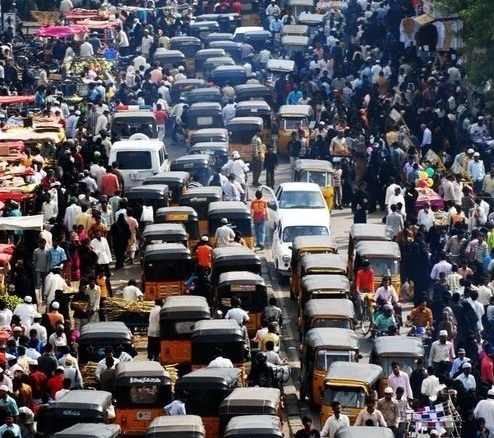
The gap between the rich and the poor has increased due to population growth. The rich people are exploiting more resources than poor people. Malnutrition is one of the most common effects of these problems. The poorest people in developing countries do not get adequate calories to develop their health properly.

Read Article
September 6, 2022 Recommended

Urban and Rural Waste: Methods of their Disposal

Different activities may generate waste which may be solid or liquid. The quality of both solid and liquid wastes is increasing and if the wastes are disposed in an uncontrolled manner these may cause adverse impact on public health and environment. Hence these wastes need to be managed efficiently so as to safeguard public health and environment.

Read Article
Advertisement
Gallery Picture
Gallery Picture
Gallery Picture
Gallery Picture
Gallery Picture
Gallery Picture
Gallery Picture
Gallery Picture
Gallery Picture
Gallery Picture
Gallery Picture
Gallery Picture
Gallery Picture
Gallery Picture
Gallery Picture
Gallery Picture
Gallery Picture
Gallery Picture
Gallery Picture
Gallery Picture
Gallery Picture